Vegetarian and Vegan Diets for Pets: Is It Safe and Nutritious?
Understanding the Impact of Plant-Based Diets on Pet Health
The rising trend of vegetarian and vegan diets is not limited to humans anymore; pet owners are increasingly considering these options for their furry companions. However, the question remains: are these diets safe and nutritious for our pets? With a growing number of pet food brands offering plant-based diets, it’s essential to evaluate their implications for health and well-being.
Many pet owners believe that a vegetarian or vegan diet can provide several benefits. One of the most significant advantages is environmental sustainability. By reducing the demand for meat, which has a substantial carbon footprint due to methane emissions from livestock, pet owners can contribute to a more sustainable planet. Studies have shown that animal agriculture is a major driver of deforestation and water usage, and shifting to plant-based diets for pets can lessen this impact.
Another reason pet owners may opt for these diets is related to allergy management. For some pets, particularly those with food sensitivities, certain animal proteins can trigger allergies. Plant-based diets often rely on novel protein sources, such as peas or lentils, which can be easier to digest and may reduce allergic reactions. Moreover, ethical considerations play a pivotal role; many pet owners are keen to align their pets’ diets with their own values regarding animal welfare, choosing options that avoid meat derived from factory farming.
Despite these perceived advantages, there are important factors to consider when contemplating a vegetarian or vegan diet for pets. Not all pets can thrive on a plant-based diet, which brings us to the vital concern of nutritional balance. Essential nutrients that pets require, such as taurine for cats and certain amino acids for dogs, can be harder to obtain from plant sources. Pet owners should be particularly cautious as even minor deficiencies can lead to severe health issues.
In addition, species-specific needs must also be taken into account. Cats, being obligate carnivores, have strict dietary requirements that are primarily met through animal protein. Conversely, dogs, which are more omnivorous, may adapt better to plant-based diets, but still require careful planning to ensure all their nutritional needs are met.
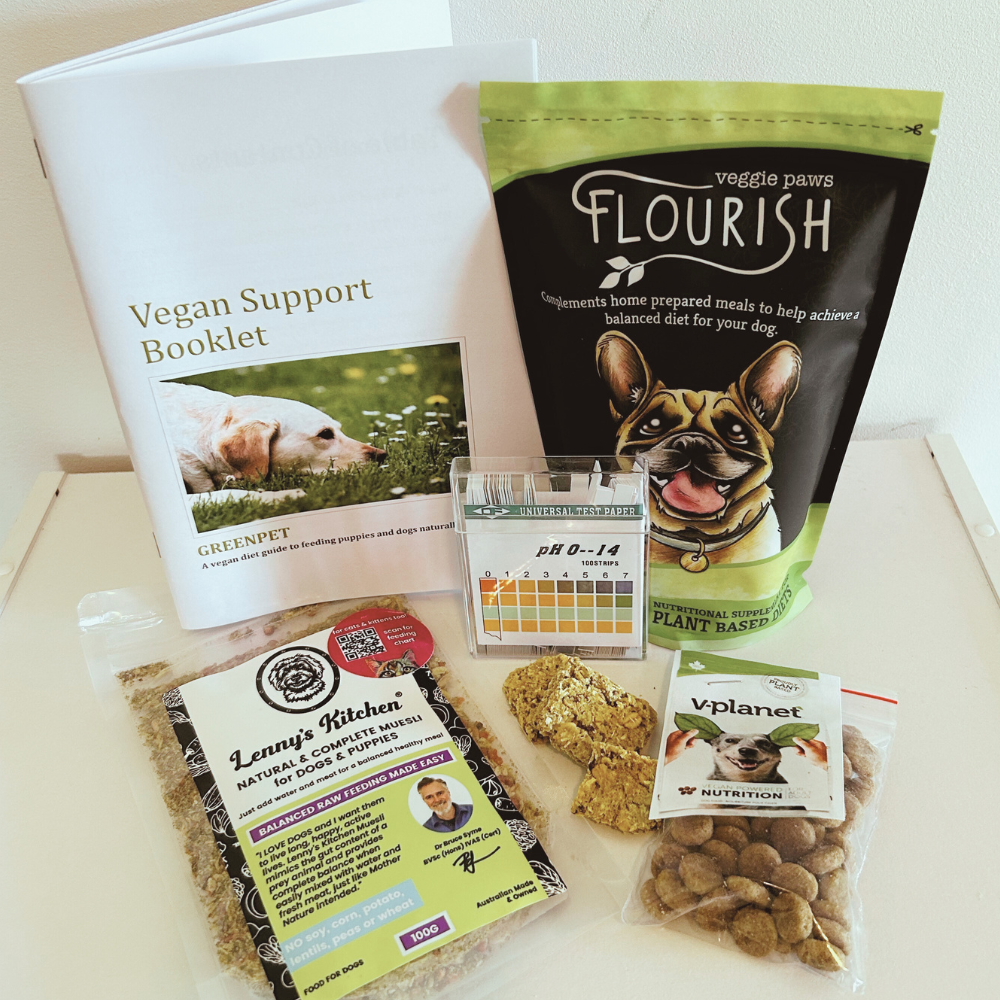
Lastly, it is highly recommended to seek consultation with veterinarians before making significant dietary changes. Professionals can offer guidance on whether such diets are appropriate for specific breeds, ages, and health conditions. A veterinarian can also suggest appropriate commercial plant-based products or help formulate homemade diets that provide complete nutrition.
In the forthcoming sections of this article, we will delve deeper into the safety and nutritional aspects of vegetarian and vegan diets for pets, examining scientific perspectives and real-world outcomes. Join us on this enlightening journey to discover whether these diets can be a viable choice for your beloved animals. Understanding the complexities and benefits of these dietary choices can help pet owners make informed decisions that prioritize both their pets’ health and their values.
DIVE DEEPER: Click here to learn more about the adoption process
The Nutritional Challenges of Plant-Based Diets for Pets
As the interest in vegetarian and vegan diets for pets continues to rise, it is crucial to address the potential nutritional challenges these diets present. Unlike humans, who can thrive on a variety of plant-based foods, pets—especially cats and dogs—have specific dietary requirements that may not be met through a strictly plant-based diet.
The main worry lies in the inability of some plant sources to provide the essential nutrients that animals need. For instance, cats require taurine, an amino acid primarily found in animal tissues. A deficiency in taurine can result in severe health issues, such as heart disease and vision problems. While some brands have begun to formulate vegan cat foods that include synthetic taurine, many experts suggest that the safest and most effective way to meet a cat’s nutritional needs is through animal products.
Dogs, on the other hand, are considered more adaptable but still require a balanced diet rich in certain nutrients. The following are critical components that must be carefully considered when feeding a plant-based diet to dogs:
- Proteins: Dogs need high-quality proteins that provide essential amino acids. While plant protein can be included, it often contains lower levels of some amino acids compared to meat.
- Omega-3 Fatty Acids: These critical fats are often sourced from fish oil, and in plant-based diets, alternative sources such as flaxseeds and chia seeds must be evaluated for adequacy.
- Vitamins: Certain vitamins, like B12 and D, are primarily found in animal products, so pet owners must ensure these are supplemented adequately in vegetarian or vegan diets.
- Minerals: Nutrients like calcium and iron can be more bioavailable in animal sources, making it vital to find plant-based substitutes that the pet can effectively absorb.
The combination of these factors makes creating a nutritionally complete vegetarian or vegan diet for pets a challenging endeavor. While some pets may adapt well to these diets, others may show signs of malnutrition or health concerns over time. Pet owners must arm themselves with knowledge and carefully measure their pets’ health and nutritional intake.
Another aspect to consider is the source and quality of plant-based pet foods. Not all commercial vegetarian or vegan pet foods offer the same nutritional profile—you’ll find a spectrum from premium brands that invest in nutritional research to lower-quality products that lack essential ingredients. Therefore, scrutinizing labels and ingredients is essential, as is seeking recommendations from professionals.
As pet owners navigate this complex dietary landscape, the recommendation remains clear: consult with a veterinarian before implementing major changes to a pet’s diet. A veterinary professional can provide personalized insights and help develop meal plans that consider the individual pet’s needs.
In the next sections of this article, we will explore further the scientific evidence backing the safety of vegetarian and vegan diets for pets, as well as real-life case studies and expert opinions that shed light on this unfolding question. With informed decisions, pet owners can support their animals’ health while aligning with their ethical and environmental values.
Evaluating Nutritional Adequacy
When considering a vegetarian or vegan diet for pets, it is crucial to evaluate the nutritional adequacy of the food being offered. Unlike humans, who can make conscious dietary choices, pets rely entirely on their owners to provide the necessary nutrients. Key nutrients such as protein, vitamins, and minerals must be sourced appropriately to ensure that the diet is balanced.
Animal proteins are complete sources that contain all essential amino acids, while many plant-based proteins may lack one or more. Therefore, it may be necessary to combine various plant sources—such as legumes, grains, and nuts—to create a complete protein profile. Additionally, supplements may be needed for nutrients typically derived from animal products, like vitamin B12, taurine, and omega-3 fatty acids.
Potential Health Benefits
Proponents of vegetarian and vegan pet diets often cite potential health benefits as a major reason for choosing this dietary path. Some studies suggest that these diets could help with weight management and digestion, particularly due to their typically higher fiber content. Moreover, a diet rich in whole foods might contribute to maintaining a healthy coat, skin, and improved energy levels.
However, anecdotal reports should not suffice as evidence for the effectiveness of these diets. Comprehensive research is essential, as individual pet needs can vary widely based on factors such as age, breed, and health status. Consulting a veterinarian with expertise in nutritional science can help ensure that a pet receives a nutritionally complete diet, regardless of its composition.
Practical Considerations
For pet owners considering a shift to a vegetarian or vegan diet, it’s important to choose commercially prepared diets that adhere to established nutritional guidelines. These products are often lab-tested and formulated to meet the specific dietary needs of pets. Homemade diets require careful planning and expert guidance, as it can be challenging to ensure nutritional balance without proper knowledge.
Incorporating a vegetarian or vegan diet can be a personal choice tied to ethical beliefs and lifestyle preferences. Nevertheless, the safety of plant-based diets for pets must be assessed on an individual basis, weighing the *specific health status and dietary needs of each pet* in question.
| Category | Details |
|---|---|
| Nutrient Richness | Plant-based diets can provide an array of vitamins, minerals, and antioxidants. |
| Environmental Impact | Reducing meat consumption can minimize ecological footprints related to meat production. |
As awareness grows about vegetarian and vegan diets for pets, so too will the necessity for more in-depth studies to ensure these diets are safe and nutritious. The conversation about dietary preferences for pets should be ongoing, encouraging pet owners to stay informed and engaged with the latest research and recommendations.
LEARN MORE: Click here to discover the importance of puppy socialization
Assessing the Safety and Efficacy of Plant-Based Diets for Pets
The ongoing debate surrounding vegetarian and vegan diets for pets inevitably raises questions of safety and efficacy. While plant-based diets can align with a pet owner’s ethical beliefs and environmental values, the critical focus must remain on the well-being of the pets themselves. Are these diets truly safe? Research and expert opinions vary widely, but many point to the necessity of thorough understanding before making dietary shifts.
In recent years, scientific studies have emerged exploring the impacts of plant-based nutrition on pets. A notable study published by the Journal of Animal Physiology and Animal Nutrition highlighted that dogs can partially meet their nutritional requirements through a combination of high-quality plant ingredients and supplemented nutrients. However, it also noted that deficiencies could arise if pet owners do not carefully balance the proportions of these ingredients. This finding emphasizes the importance of not just the foods chosen, but also the meticulous attention to their preparation and presentation.
When it comes to vegan diets for dogs, some reports indicate that dogs may adapt well over time, developing a more plant-centric digestive system. However, pet owners must be aware of the potential for gastrointestinal upset, especially in the initial weeks of transitioning diets. Gradual introduction is key, allowing time for the dog’s digestive flora to adjust. Additionally, commonly cited symptoms of incomplete nutrition—such as lethargy, dull coats, and gastrointestinal disturbances—should prompt an immediate consultation with a veterinarian.
For cats opting for a vegan lifestyle, the situation is notably more complex. Cats are obligate carnivores, meaning their anatomy and physiology are adapted to a diet rich in animal protein. As such, the survival of a vegan diet for cats rests precariously on the proper synthesis and supplementation of nutrients, notably taurine and arachidonic acid. Inadequate levels of these nutrients can lead to serious health issues. Thus, while there are vegan cat food products available claiming to provide complete nutrition, owners must exercise extreme caution and skepticism, particularly regarding the sourcing of these supplements.
Furthermore, the Association of American Feed Control Officials (AAFCO) plays a pivotal role in establishing nutritional standards for pet food, including vegetarian and vegan options. Pet owners should seek out products that meet AAFCO guidelines, ensuring they contain the essential nutrients required for a balanced diet. Many reputable brands invest in research and development to formulate well-rounded vegetarian or vegan pet foods, although the quality varies significantly between suppliers.
The psychological aspect of pet dietary choices also cannot be overlooked. Animals are sensitive beings, and their preferences may shift in response to a dietary change. Many pet owners are surprised to discover that their animals may refuse vegan foods altogether—indicating that palatability is a critical factor in sustaining a healthy diet. Owners should consider their pets’ preferences and reactions as part of the dietary choice process.
To navigate the complexities of transitioning to plant-based pet foods while maximizing health and safety, pet owners are encouraged to leverage resources available through veterinary nutritionists. These professionals can compile tailored feeding plans, monitor pets’ health during the transition, and offer educated opinions on necessary supplements.
As the dialogue around vegetarian and vegan diets continues to grow, evidence-based practices will be crucial in deciding the best course for pet health and nutrition. In the following sections, we will delve deeper into case studies that examine real-world outcomes of these diets in pets, equipping owners with additional insights to guide their decisions.
LEARN MORE: Click here to discover the importance of positive reinforcement
Conclusion: Navigating the Plant-Based Pet Diet Debate
The exploration of vegetarian and vegan diets for pets reveals a complex interplay between ethics, health, and animal nutrition. As pet owners increasingly seek plant-based alternatives, it’s vital to consider the unique dietary needs of both dogs and cats. While evidence suggests that dogs can successfully thrive on well-planned vegetarian diets, the inherent obligate carnivore nature of cats complicates the adoption of vegan nutrition without careful and knowledgeable supplementation.
The critical takeaway is that any shift towards plant-based diets must be approached with caution and thoroughness. Owners are encouraged to do their research and consult with veterinary nutritionists to create balanced meal plans tailored to their pets’ specific requirements. This is especially paramount given the potential risks associated with nutrient deficiencies and the varied nutritional standards among different brands of vegetarian and vegan pet foods.
Furthermore, pet owners should not disregard their animals’ preferences and responses, as palatability profoundly impacts their willingness to adapt to a new diet. Observing and responding to pets’ reactions can be just as important as the nutritional content itself.
In conclusion, while vegetarian and vegan diets for pets hold promise, they demand informed decision-making and ongoing monitoring. As the dialogue around pet nutrition continues to evolve, being proactive, educated, and open to professional guidance will empower pet owners to provide the safest, most nutritious diets for their beloved companions, regardless of their dietary orientation. Exploring real-world case studies may offer further insights, equipping owners with knowledge to navigate this increasingly pertinent topic.