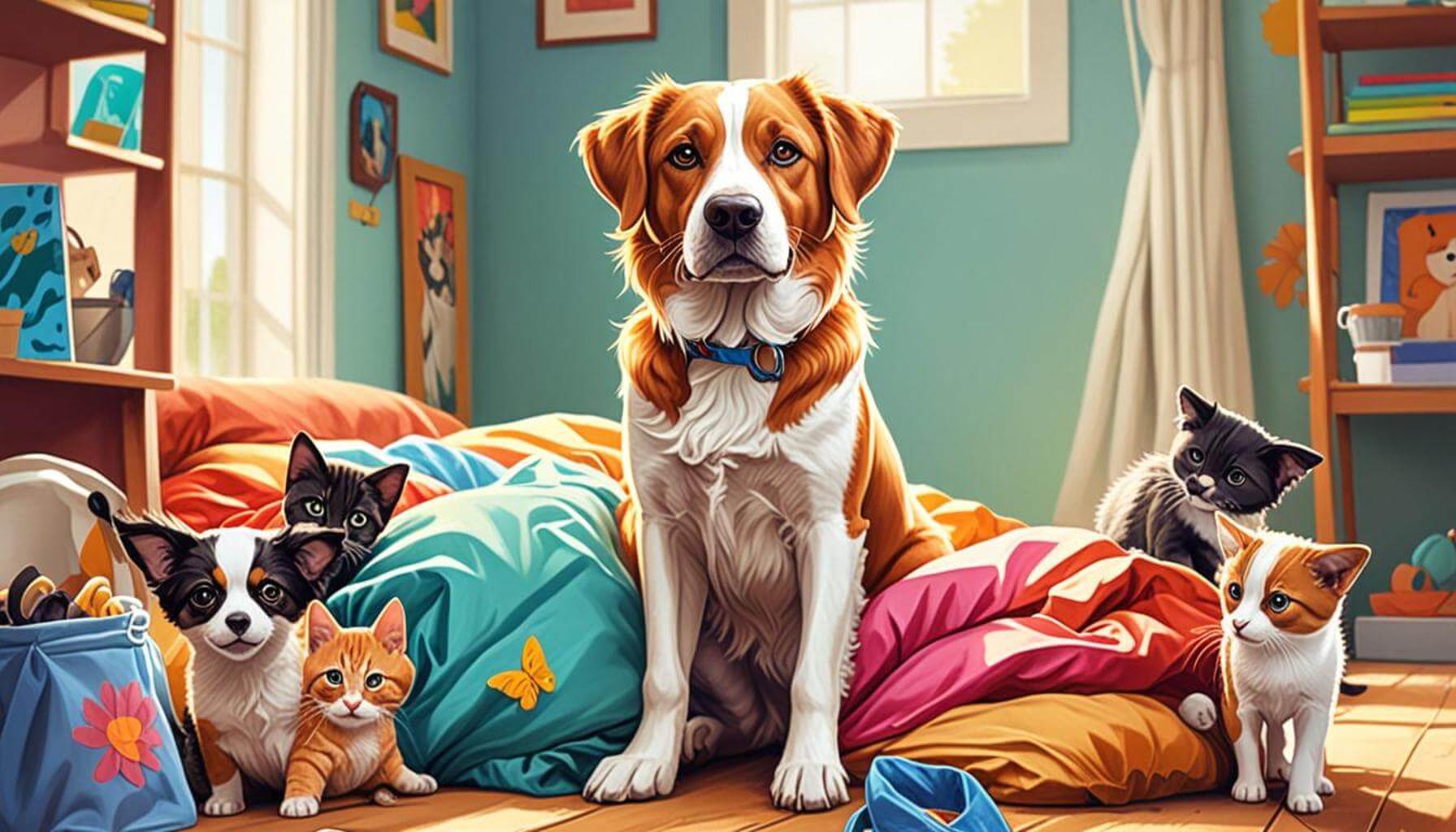
The Role of Social Media in Promoting Pet Adoption and Success Stories

The Digital Revolution in Pet Adoption
In a world where technology shapes our lives, social media platforms have emerged as a transformative tool in the realm of pet adoption. They have redefined how shelters connect with potential pet parents, transcending traditional methods that often relied solely on in-person visits or community awareness campaigns. These virtual platforms harness the emotional power of storytelling and visuals to create a compelling narrative around animal rescue.
One significant advantage of social media is its immediate reach. A single post showcasing an adoptable pet can go viral within hours, amplifying its visibility far beyond the local community. For instance, a heartwarming photo of a dog in need of a home can resonate with thousands of users, leading to rapid sharing and an increase in inquiries about adoption. Viral cases like “Maddie the Shelter Dog” gained national attention and resulted in a flood of adoption applications within just a few days, demonstrating the powerful impact of social media on the pet adoption landscape.
Engagement opportunities on social media also foster a sense of community and excitement around adoption events. Innovative campaigns like “Adopt Don’t Shop” challenges or themed hashtags such as #FurryFriday draw attention to adoptable animals, driving engagement through likes, shares, and comments. Online events, such as live Q&A sessions with shelter staff, not only educate potential adopters but also create an interactive experience that builds trust and connection.
Moreover, success stories shared on social media play a crucial role in inspiring others to consider pet adoption. Shelters often highlight individual animals’ journeys—showcasing their transformations from neglected or abandoned to happy and healthy companions. These narratives resonate deeply with audiences, offering a glimpse of the joy that comes from adopting a pet. In many cases, these stories have prompted viewers to take action, sparking a wave of adoptions as people connect emotionally with the showcased animals.
As organizations increasingly harness the power of social media, they are employing various strategies that have proven effective at raising adoption rates. Strategic hashtag campaigns and live adoption events, often hosted on platforms like Instagram or Facebook Live, create an exciting atmosphere that encourages participation. Collaborations with social media influencers, who share a passion for animal welfare, have also amplified reach, as these influencers share personal experiences and promote adoptable pets to their followers, effectively broadening the audience.

The statistics speak for themselves: organizations that actively engage on social media report higher adoption rates. The American Society for the Prevention of Cruelty to Animals (ASPCA) noted that shelters implementing social media campaigns have seen a marked increase in foot traffic and inquiries. Thus, understanding and leveraging social media’s influence is essential for anyone looking to make a meaningful impact on pet adoption initiatives across the United States. This emerging paradigm not only connects animals in need with loving homes but also cultivates a network of support among animal advocates, making the digital world a vibrant ally in the mission to save lives.
DISCOVER MORE: Click here for valuable tips and inspiring stories
Harnessing the Power of Sharing
Social media is not just a catalyst for information; it has become a dynamic platform for promoting pet adoption in ways previously unimaginable. By leveraging the inherent visual appeal of animals, shelters and organizations across the United States are creating eye-catching content that draws in viewers and potential adopters. High-quality images and videos that showcase pets’ personalities not only capture attention but also evoke emotional responses, making it difficult for viewers to resist the urge to adopt.
The visual storytelling aspect of social media is particularly effective. A short, engaging video featuring a playful cat or an energetic dog can convey a wealth of information in just seconds—capturing the essence of a pet’s temperament and needs. Shelters report that posts featuring video content are often shared more broadly than text-only posts. This emphasis on multimedia not only boosts visibility but also fosters a deeper connection between the viewer and the pet.
Beyond visuals, social media also empowers users to play a direct role in the process of pet adoption. Shares, retweets, and likes can transform an individual’s simple post into a powerful vehicle for change. By encouraging users to spread the word about adoptable animals, shelters amplify their outreach exponentially. Engaging posts often include calls-to-action, prompting viewers to tag friends, share the post, or even visit the shelter in person. This grassroots approach creates a community united by a common cause—saving and adopting pets in need.
Innovative Campaigns and Stories that Inspire
Several innovative campaigns have taken the pet adoption movement by storm, further emphasizing the role of social media in connecting pets with their forever homes. Below are some notable examples that highlight the creativity and effectiveness of social media in promoting pet adoption:
- Flash Adoption Events: Shelters host virtual adoption events via platforms like Facebook Live, where viewers can see animals up for adoption in real time. This interactive experience allows potential adopters to meet pets from the comfort of their homes and ask questions live, fostering immediate engagement.
- Hashtag Initiatives: Campaigns like #AdoptDontShop have flooded platforms with adoptable pet pictures and success stories. These hashtags create a collective movement, encouraging users to post about their own adopted pets, thus inspiring others to consider adoption.
- Pet of the Week Features: Many shelters dedicate a specific day each week to showcase a particular animal. This ongoing series builds anticipation among followers and keeps the focus on pets that might otherwise be overlooked.
The impact of these campaigns is evident in the statistics. For example, the Greater Good Animal Rescue reported a 40% increase in adoptions after launching their #FureverFriend campaign, which encouraged adopters to share their stories on social media. Such initiatives highlight how a blend of creativity and technology is reshaping the landscape of animal adoption.
In a rapidly evolving digital world, understanding the intricacies of social media becomes paramount. As organizations tap into these vibrant platforms, the potential for saving lives and fostering lasting bonds between pets and their owners only grows stronger. The enduring success stories that emerge from these efforts serve as powerful testimonies, proving that through sharing and connection, social media can indeed be a pivotal ally in the quest for more loving homes for pets across the nation.
The Impact of Social Media Platforms
Social media platforms serve as an invaluable tool in the mission of promoting pet adoption. They provide a vast reach, allowing shelters and rescue organizations to connect with potential adopters across the globe. By sharing compelling success stories, these organizations can showcase the transformative power of adoption, inspiring others to consider bringing a pet into their homes.
Through the use of engaging visuals, such as photos and videos of adoptable pets, social media posts can evoke emotional responses that drive action. Platforms like Instagram and Facebook have become arenas where stories of abandoned animals finding their forever homes are celebrated, generating significant online traffic and interactions.
In addition to traditional posts, social media facilitates the use of live streams and virtual adoption events. These innovative approaches provide a unique opportunity for shelters to present pets in an interactive format, allowing potential adopters to communicate with shelter workers and even meet the animals virtually. This helps to break down barriers that may prevent people from adopting, such as geographical limitations or uncertainty about a pet’s personality.
Engagement and Community Building
Social media also fosters a sense of community among animal lovers. Supporters can share their experiences, provide recommendations, and provide feedback on local shelters, creating an atmosphere of trust and accountability. Furthermore, the hashtags like #AdoptDontShop serve to unite these efforts under common cause, promoting awareness and encouraging responsible pet ownership.
Utilizing user-generated content is another effective aspect of social media. When previous adopters share their experiences, they often act as advocates for the shelter or rescue, encouraging their followers to adopt as well. These organic endorsements carry significant weight and can influence potential adopters’ decisions far more than traditional advertising methods.
| Social Media Benefits | Description |
|---|---|
| Wider Reach | Connects shelter pets with a global audience. |
| Emotional Engagement | Elicits feelings through stories and visuals of pet adoptions. |
| Community Support | Builds a network of advocates who share adoption success stories. |
As social media continues to evolve, its role in driving pet adoption and chronicling success stories will undoubtedly expand, making it crucial for shelters to harness its full potential.
LEARN MORE: Click here to discover the benefits of socialization for your pets
Community Engagement and Success Stories
One of the most compelling aspects of social media is its ability to transform individual stories into a collective movement, fostering a community of supporters that celebrate pet adoption. Organizations are tapping into this sense of community by not only sharing posts about adoptable pets but also highlighting the transformations that occur after pets find their forever homes. Every success story shared becomes a beacon of hope, encouraging others to consider pet adoption and showcasing the profound impact it has on both animals and their new families.
The emotional weight of a success story can be a powerful motivator. When users share photos of their newly adopted pets along with backstories of the animals’ journeys—from rescue to rehabilitation to adoption—these narratives resonate deeply with followers. For instance, a video featuring a previously shy rescue dog finding joy in its new environment not only attracts views but also serves as a powerful testament to the difference that a loving home can make. Such posts often generate significant engagement, leading to shares, likes, and comments that further spread awareness about the need for more adoptions.
Data-Driven Success: The Analytics Behind Adoption Trends
Social media platforms come equipped with analytical tools that offer valuable insights into how pet adoption campaigns are performing. Organizations can track engagement metrics—such as post interactions, shares, and audience growth—to determine which types of content resonate most effectively with their followers. This data-driven approach allows shelters and rescue groups to fine-tune their strategies for maximum impact.
For instance, a study by the ASPCA revealed that posts featuring heartwarming success stories tend to increase audience engagement rates by up to 60%. Many shelters have also reported that specific times of day yield higher traffic for adoption posts, enabling them to schedule impactful content when engagement is most likely. Learning from these analytics, several organizations are refining their marketing strategies to focus more heavily on storytelling and impactful imagery.
The Role of Influencers in Pet Adoption Awareness
Additionally, social media influencers play an increasingly significant role in promoting pet adoption. Many influencers partner with animal shelters or rescue organizations to amplify their messages. For instance, well-known personalities who share their own pet adoption journeys can spark interest among their followers, encouraging them to consider adding a furry friend to their family. Campaigns led by influencers have shown remarkable success; a study indicated that posts by popular pet influencers resulted in up to 75% more inquiries about available adoptable pets.
Influencer partnerships extend beyond mere promotion; they often involve engaging content that showcases the personality of adoptable pets, such as humorous TikTok challenges featuring dogs or Instagram stories showcasing a cat’s antics. This relatability builds a bridge between potential adopters and animals in need, making the idea of adoption feel more accessible and appealing.
As the role of social media continues to evolve, it is clear that its impact on pet adoption is multifaceted. By harnessing aspects of community engagement, successful storytelling, and data analysis, shelters and advocacy groups are not only increasing adoption rates but also creating a more informed public. These collective efforts are shaping a more compassionate society in which the rescue and care of animals becomes an ingrained value, turning the tide in the journey to find homes for every pet in need.
LEARN MORE: Click here to discover the essentials of family preparation for pet adoption
Conclusion: The Lasting Impact of Social Media on Pet Adoption
The intersection of social media and pet adoption has revolutionized how we connect with animals in need and share their stories with the world. Through powerful narratives, community engagement, and strategic use of analytics, organizations are effectively utilizing these platforms to highlight the importance of adopting shelter pets. The emotional resonance of success stories not only fosters a sense of community among pet lovers but also motivates potential adopters to take action, leading to increased adoption rates.
Furthermore, collaborations with influencers amplify these messages, making adoption feel accessible and relatable to a broader audience. As seen in the increasing engagement metrics and adoption inquiries fueled by these campaigns, it is evident that social media plays a critical role in changing public perceptions about animal rescue and ownership.
Looking toward the future, ongoing innovation in how we share pet adoption stories will continue to shape a more compassionate culture around animal care. By leveraging data analytics to refine campaigns and engaging with a wider community through relatable content, shelters and rescue groups are sharing not just pets, but also the fulfilling experiences that come from giving these animals a second chance at a loving home.
As audiences become increasingly aware of the plight of shelter animals, social media stands as a powerful tool in the quest to find homes for every pet. It is incumbent upon all of us to participate in this movement, promoting pet adoption and celebrating the remarkable journeys of these animals, for every share, every story, and every adoption can lead to a brighter future for homeless pets across the nation.