
The importance of regular health exams for pets: detecting problems early
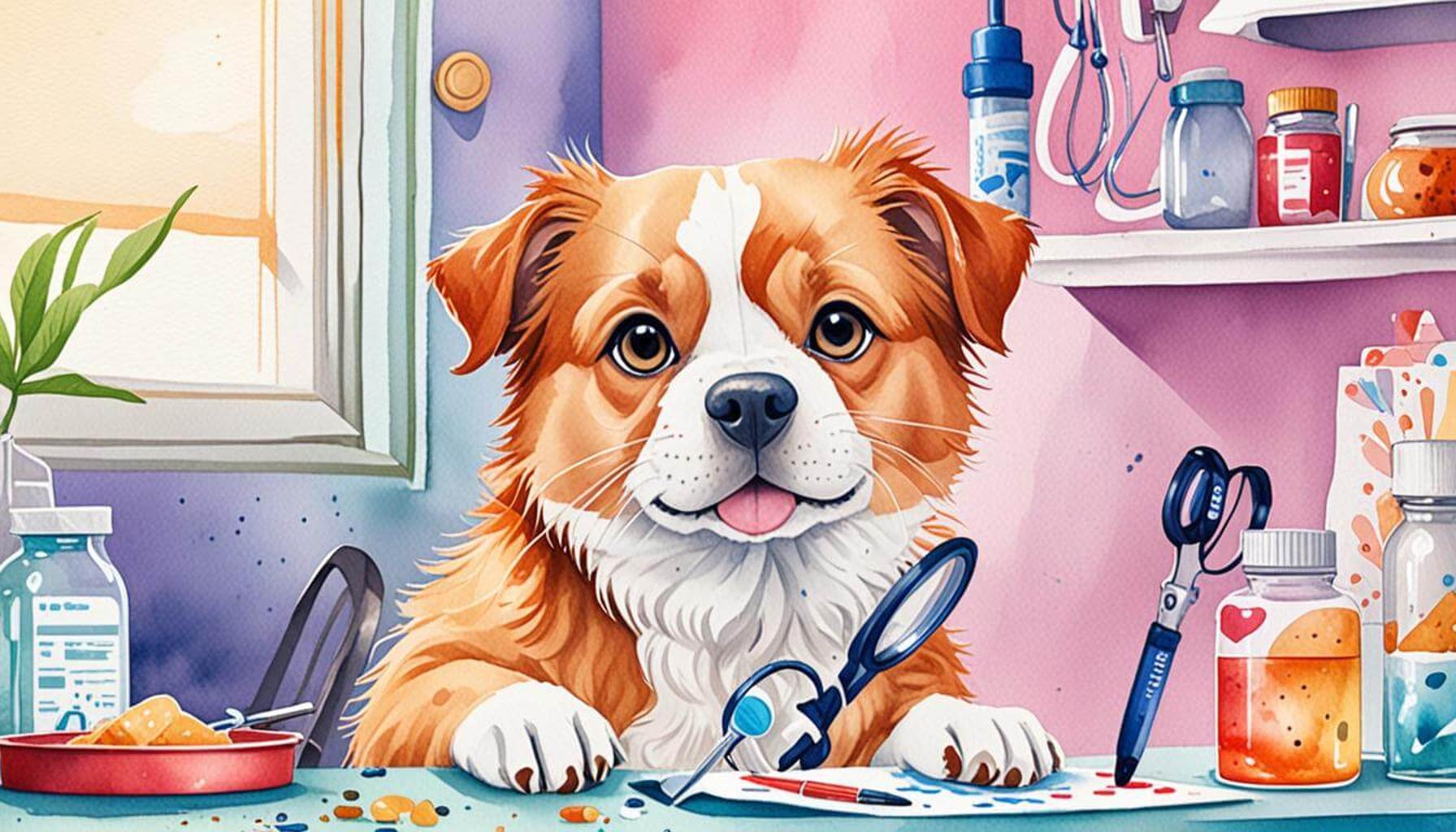
The Importance of Regular Health Exams for Your Pets
As loving pet owners, ensuring the health and happiness of our furry friends is one of the most vital aspects of responsible ownership. While we may shower them with affection and tasty treats, regular health exams are essential to their overall well-being. These appointments, often overlooked, can dramatically impact your pet’s life, helping them live longer and healthier. Let’s explore just how important these check-ups can be.
One of the most significant advantages of regular health exams is early detection of potential health problems. Many conditions affecting pets—such as dental disease, various heart diseases, and diabetes—can develop without presenting obvious symptoms. These health issues may, unfortunately, remain undetected until they have reached a more serious stage. A veterinary exam allows for the assessment of your pet’s health and includes routine tests that can identify underlying problems before they become critical. For instance, routine blood tests can detect abnormalities in organ function that might otherwise go unnoticed until significant damage occurs.
Another critical component of these exams is preventative care. Keeping your pet up-to-date with vaccinations and screenings is a proactive approach to health that can help avert numerous diseases altogether. Vaccines can prevent serious ailments such as rabies, parvovirus, and feline leukemia. Regular screening tests not only check for these diseases but also monitor common health issues associated with age, such as arthritis or kidney disease. By following a preventative care plan, pet owners can help ensure that their beloved companions stay healthy and enjoy a high quality of life.
Moreover, regular veterinary visits offer valuable behavioral insights that can be crucial for your pet’s happiness. Changes in behavior—such as increased aggression, excessive lethargy, or sudden withdrawal—might indicate underlying health issues like pain or anxiety. Veterinarians are equipped to recognize these changes and provide solutions. For example, if your normally energetic dog suddenly becomes lethargic, your vet may suggest pain management strategies or adjustments in diet to improve their condition.
The statistics support the need for regular examinations. According to data from the American Veterinary Medical Association, pets that receive consistent veterinary care tend to lead longer, healthier lives compared to those that do not. In fact, routine visits can directly correlate with advancements in veterinary medicine, allowing for improved treatment options and an overall better quality of life for pets.

The takeaway is clear: waiting until your pet shows signs of illness can be too late. Scheduling regular health exams should be a staple in every pet owner’s routine. Your furry friend relies on you for their health, and being proactive can make all the difference in ensuring they remain your loyal companion for years to come.
DISCOVER MORE: Click here to learn about the best food for your pet’s health
Understanding the Significance of Early Problem Detection
Regular health exams for pets serve as a cornerstone in nurturing their well-being, primarily through the early detection of health issues that may otherwise go unnoticed. While you might think your pet looks healthy and vibrant, there can be hidden risks lurking beneath the surface. Many common ailments often develop gradually, allowing them to progress without obvious symptoms, which can significantly impact your pet’s quality of life.
For instance, conditions like hypothyroidism or kidney disease can evolve subtly over time. In the early stages, a pet might exhibit only slight changes, such as minor fluctuations in weight or energy levels. These are typically easy to overlook. However, a thorough veterinarian examination can spotlight abnormal blood tests, indicating that intervention is necessary well before these conditions become life-threatening.
Several critical aspects of your pet’s health can be assessed during a regular health exam, including:
- Physical Examination: A complete physical examination helps identify abnormalities in body weight, coat condition, or any potential lumps.
- Dental Health: Dental disease is often a silent culprit affecting pets, leading to chronic pain and, if left untreated, systemic health issues.
- Blood Tests: Routine blood tests provide insights into organ function, helping to catch issues like liver or kidney dysfunction early on.
- Parasitic Infections: Regular screenings for external and internal parasites like fleas, ticks, and worms can prevent serious health implications.
By understanding what happens during these exams and the importance of early problem detection, pet owners can take proactive measures in ensuring their pets receive necessary care before conditions worsen. As a responsible owner, fostering a habit of annual or biannual vet visits depending on your pet’s age, breed, and health status is crucial. This regular commitment creates a safety net that can catch serious ailments early, ultimately protecting the happiness and vitality of your pet.
Furthermore, staying informed about changes in your pet’s behavior or habits can also guide you in recognizing when to seek veterinary assistance. Pets are notoriously adept at hiding discomfort; small changes may signal underlying health concerns that require expert attention. By being vigilant and prioritizing veterinary wellness visits, you not only enhance your pet’s life but also become an advocate for their health.
In a country like the United States, where pet ownership is popular, education about the importance of regular health exams becomes even more pertinent. With more access to advanced veterinary technology and resources, pet owners have the opportunity to take advantage of these innovations to protect their furry family members.
| Health Detection | Advantages |
|---|---|
| Early Disease Detection | Regular exams allow for early diagnosis of conditions like diabetes, kidney disease, and cancer, which can significantly improve treatment outcomes. |
| Preventive Care | Frequent check-ups support preventive health measures such as vaccinations and parasite control, reducing the risk of severe health issues. |
| Behavioral Insights | Veterinarians can identify behavioral changes indicating health problems, ensuring holistic care of your pet’s wellbeing. |
| Cost Savings | Addressing issues early can lead to lower veterinary costs over time, making regular exams a smart financial choice for pet owners. |
Regular health exams for pets serve as a crucial preventive measure, allowing pet owners to catch potential issues before they escalate. Recognizing early symptoms and addressing them adequately can drastically enhance the quality of life for furry companions. In addition to early detection of diseases, these check-ups also provide essential behavioral insights, enabling veterinarians to take a comprehensive view of a pet’s health. Furthermore, pets benefit from preventive care, including immunizations tailored to their lifestyle. In essence, the argument for prioritizing regular veterinary visits is not solely about immediate health; it’s about ensuring a longer, healthier life for pets, weaving the thread of care into a pet owner’s routine.
LEARN MORE: Click here for essential care tips and warning signs
The Role of Preventative Care in Pet Health
In addition to identifying existing health concerns, regular health exams play an essential role in preventative care, which can lead to a longer and healthier life for your pet. By ensuring that your companion receives routine checkups, you are effectively investing in their future wellbeing. Preventative measures not only catch problems early but also help in building a health profile for your pet that can adapt as they age.
Moreover, scheduled veterinary visits allow for the implementation of preventative vaccinations and treatments tailored to your pet’s specific needs. Vaccinations are key in protecting against severe and potentially fatal diseases such as *parvovirus,* *rabies,* and *distemper.* The American Veterinary Medical Association (AVMA) emphasizes the importance of a vaccination schedule aligned with your pet’s lifestyle, breed, and geographical risks. For example, pets that frequently interact with other animals in dog parks or boarding facilities may require additional protection.
Aside from vaccinations, regular checkups provide opportunities for parasite prevention. Heartworm, a critical concern in the southern and southeastern states, can be managed effectively through preventative treatments. Fleas and ticks may seem like minor inconveniences, but they can lead to more severe conditions, including Lyme disease and flea allergy dermatitis. During routine exams, your vet can recommend the most effective flea, tick, and heartworm prevention protocols, potentially saving you from costly and complicated treatments later.
Another integral part of preventative care is dental health. Did you know that over 80% of dogs and 70% of cats show signs of dental disease by age three? Regular health exams allow veterinarians to assess dental health, clean your pet’s teeth, and provide guidance on how to maintain oral hygiene at home. Neglecting dental care may lead to not only painful gum disease but also systemic health complications affecting the heart and kidneys due to the bacteria entering the bloodstream from the mouth.
Importantly, a solid rapport with your veterinarian fosters an open dialogue about any behavioral changes your pet may exhibit. For instance, sudden changes in your pet’s eating habits, energy levels, or bathroom routines can be telling signs of underlying issues. By sharing your observations during regular exams, you empower your vet to conduct further investigations if warranted, aiding in quicker diagnosis.
In addition, keeping track of your pet’s medical history, including vaccinations, treatments, and past health concerns, can aid in efficient care. Many veterinary practices offer digital records that enable pet owners to access and manage their pet’s health information easily. This convenience allows for better continuity of care, especially when multiple veterinarians or facilities are involved.
The importance of regular health exams is further magnified when considering the trends in pet healthcare. According to the American Pet Products Association, pet spending in the U.S. has reached historic highs, reflecting a growing awareness among pet owners regarding health and wellbeing. This progressive shift means that more cutting-edge treatments and technologies are becoming available, enhancing the diagnostic process. Thus, being proactive ensures your pet benefits from these advancements sooner rather than later.
Ultimately, regular health exams are not just about addressing current health concerns; they are about paving the path for a healthy and vibrant future for your furry companions. Taking an active role in your pet’s medical care reaps bountiful rewards, contributing to their long-term health and happiness.
DISCOVER MORE: Click here for tips and inspiring stories
Final Thoughts on Regular Health Exams for Pets
In conclusion, the significance of regular health exams for pets cannot be overstated. These proactive visits to the veterinarian serve as a crucial foundation for managing your pet’s overall health. By identifying potential health issues at their earliest stages, you not only enhance your pet’s quality of life but also minimize the emotional and financial burdens associated with advanced diseases.
Moreover, routine examinations facilitate the adoption of customized preventative care strategies, including timely vaccinations and parasite control, which are integral to building a healthy lifelong routine. As pet ownership continues to rise in the U.S., understanding the importance of these interactions helps pet owners make informed choices about their animals’ well-being. The American Pet Products Association notes a rise in spending on pet health care, highlighting increased awareness and commitment to providing optimal care.
Additionally, the partnership established with your veterinarian during these exams fosters a collaborative approach to your pet’s health. Your observations related to behavioral changes become invaluable in diagnosing potential concerns, ensuring comprehensive care tailored to your pet’s unique lifestyle.
As you continue to prioritize your pet’s health, remember that every checkup represents a step toward a longer, healthier, and happier life for your beloved animal companion. Make it a point to stay informed, proactive, and engaged in your pet’s healthcare journey. After all, your dedication to regular health exams is a commitment that benefits both you and your furry friend for years to come.