The Importance of Puppy Socialization for Healthy Behavior

Understanding Puppy Socialization
Puppy socialization is a critical phase in a dog’s early development, serving as the building block for their personality and behavior as they mature. This essential process occurs predominantly between the ages of 3 weeks and 16 weeks, during which experiences can significantly shape a puppy’s future interactions. A well-socialized puppy is generally more confident, adaptable, and better equipped to manage various environments and situations throughout their life.
Each component of socialization plays an integral role in nurturing a balanced dog. By deliberately introducing your puppy to diverse experiences, you can enhance their ability to cope with the world around them. Important aspects of puppy socialization include:
- Interactions with people: Introducing your puppy to a variety of individuals—both adults and children—can greatly decrease anxiety in social settings. This exposure allows your pet to learn appropriate behaviors, such as not to jump up or become overly excited. For instance, arranging supervised playdates with children helps puppies understand the different energy levels and social cues associated with human interactions.
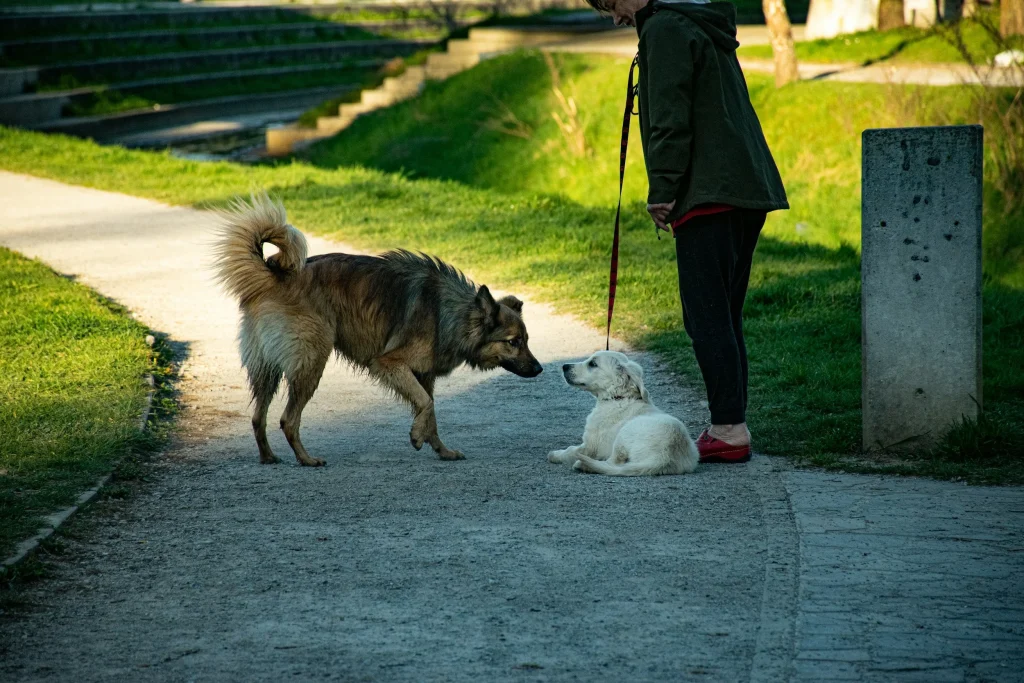
- Exposure to other animals: Meeting different dogs and other pets lays the groundwork for a healthy relationship with other animals. A key approach is to enroll your puppy in socialization classes or local parks known for friendly canines. These environments encourage interaction and help prevent aggressive tendencies, which can stem from fear or misunderstanding of other animals.
- Experience with various environments: Taking your puppy on outings to different places—like parks, busy streets, or pet-friendly cafes—exposes them to a range of sounds, sights, and smells. This gradual acclimatization fosters adaptability, ensuring your dog remains calm and collected, whether encountering a vacuum cleaner at home or the hustle and bustle of a local farmer’s market.
Numerous studies corroborate the assertion that well-socialized puppies are less likely to demonstrate behavioral problems later in life. Puppies that miss this pivotal socialization phase often struggle with fearfulness and aggression, leading to challenges not just for themselves but also for their owners. Dogs that are anxious or scared may react negatively to stimuli, making outings with them stressful.
In the United States, puppy socialization classes have seen a significant uptick in interest, as they provide a structured environment to facilitate learning and interaction. Many reputable dog trainers stress that socialization is not a one-time event, but rather a continuous journey that extends through a dog’s entire life. This ongoing commitment to interaction is vital in fostering well-rounded pets.
If you are interested in exploring the topics of puppy socialization and its impact on healthy behavior, numerous resources are available offering further insights into the importance of starting early. Investing time and effort into socializing your puppy can lead to a more harmonious life for both your dog and your family, paving the way for years of companionship marked by joy and understanding.
DISCOVER MORE: Click here to learn effective dog training techniques
The Lifelong Benefits of Puppy Socialization
Puppy socialization is more than just a series of playful interactions; it is a profound investment in your dog’s future well-being. The experiences during this early period profoundly influence a dog’s emotional and mental maturity. Socialization is pivotal for promoting healthy behavior and preventing behavioral issues in later life. Addressing the critical aspects of socialization can not only enrich your puppy’s life but also create lasting bonds between your pet and the people or animals they encounter.
During the most formative weeks of a puppy’s life, the potential for learning is at its peak. Engaging with various stimuli can help mold a well-adjusted adult dog. Here are key benefits of puppy socialization:
- Reduction in Anxiety and Fear: Puppies that experience diverse situations are less likely to develop fearful behaviors. For instance, a puppy taken to different environments, such as bustling streets or crowded parks, can learn to navigate these spaces confidently rather than reacting with fear or aggression.
- Improved Temperament: Puppies socialized with people and other animals tend to have a more balanced temperament. They learn early on appropriate play styles, leading to dogs that are more polite and less prone to dominate interactions. This training translates into better-managed relationships throughout their lives.
- Enhanced Learning Opportunities: Socialization opens the door to training possibilities. The earlier your puppy becomes comfortable in varied situations, the easier it will be for them to learn commands and skills later. This creates a positive feedback loop; a confident puppy is a better learner.
- Fostering Calmer Reactions: By exposing puppies to cars, loud noises, and everyday occurrences, they can develop resilience. A dog accustomed to common sounds is less likely to panic during thunderstorms or fireworks displays, easing stress for both the dog and the owner.
The consequences of inadequate puppy socialization can be severe. Dogs that lack these important early experiences may find themselves struggling with behavioral issues such as excessive barking, aggression, or becoming overly shy in social settings. The American Veterinary Society of Animal Behavior emphasizes that puppy socialization is a vital factor in preventing behavioral problems, stating that many of the issues seen in adult dogs can often be traced back to a lack of socialization as puppies.
If you are considering adopting a puppy or have recently welcomed one into your home, it is essential to schedule social experiences. Look for local training classes, puppy playgroups, or socialization workshops where skilled trainers can guide the process. Remember, consistent and positive interactions during this delicate phase reinforce the idea that the world is a safe and welcoming place.
Overall, prioritizing puppy socialization will yield not only a more balanced dog but also a more enjoyable experience for their families. As you continue to explore this important phase in your puppy’s development, consider the long-term implications that these initial experiences will have on your dog’s behavior throughout their life.
The Impact of Early Socialization
<Puppy socialization begins at a crucial stage in a dog's life, ideally between 3 to 14 weeks of age. During this developmental period, puppies are particularly receptive to learning and forming associations with their environment and other living beings. Early socialization involves exposing puppies to various experiences, including people, different animals, sounds, and settings. This exposure helps to create a well-rounded canine that is confident and adaptable to new situations throughout their life.
Benefits of Puppy Socialization for Behavioral Health
Socialized puppies tend to exhibit fewer behavioral issues as they mature. Well-socialized dogs become less prone to anxiety, aggression, and fear-based reactions. According to studies, dogs that lack early socialization are at a higher risk of developing behavioral problems, which can lead to challenges for both the dog and their owner. When puppies learn to interact positively with others, their confidence grows, making them more likely to be friendly and approachable in adulthood.
Long-term Effects on Interaction with Humans and Other Dogs
<The skills gained through socialization can significantly affect how puppies interact with humans and other dogs throughout their lives. Socialized dogs are more likely to engage in positive greetings, reducing the chance of misunderstandings that could lead to conflicts. For instance, puppies that have been properly socialized are more adept at interpreting cues from other dogs, allowing for smoother and more enjoyable interactions during playtime at the park. Moreover, socialized dogs often become more integrated members of the family, participating more actively in daily activities with their human companions.
| Category | Details |
|---|---|
| Healthier Relationships | Socialized puppies foster stronger bonds with their owners and other pets. |
| Reduced Anxiety | Early exposure to various environments helps minimize fear and anxiety, making life transitions easier. |
Encouraging a well-socialized puppy not only benefits their immediate behavioral development but also lays the groundwork for a fulfilling companionship. By prioritizing socialization, pet owners can help their puppies grow into well-adjusted adults.
DIVE DEEPER: Click here to learn more
The Role of Early Exposure in Shaping Behavior
The process of puppy socialization extends beyond mere exposure to different environments; it is fundamentally about learning to navigate the complexities of social interactions. The early weeks of a puppy’s life represent a critical window for fostering adaptability and enhancing their confidence. Research indicates that puppies who participate in varied social experiences during this sensitive period are more likely to exhibit balanced behaviors as adults, which is essential for their integration into family life and community.
One of the significant benefits of proactive socialization is the creation of positive associations with a variety of stimuli. For instance, consistently introducing your puppy to various sights, sounds, and people can mitigate the development of aversive reactions. According to the American Kennel Club, socialization should ideally occur between three to fourteen weeks of age, as this is when most behavioral patterns solidify. This window is also when puppies are hardly fearful, making it the prime time for gentle exposure to new experiences.
Additionally, exposure to different breeds and sizes of dogs can greatly enhance a puppy’s social capabilities. It’s essential for them to learn how to interact appropriately regardless of the dog’s size or demeanor. Puppies that are not socialized with varied peers may struggle to interpret dog-dog interactions correctly, possibly leading to misunderstandings that could result in skirmishes or aggressive behavior later on. By engaging with a wide spectrum of dogs, puppies become adept at understanding body language and cues, which are critical for healthy communication.
Importance of Positive Reinforcement
- Building Trust: Utilizing positive reinforcement during socialization experiences, such as treats or praise, fosters trust between the puppy and human handlers. This reliance on positive outcomes encourages a willingness to explore further and face challenges without fear.
- Creating Resilient Behaviors: Engaging puppies in new experiences, such as visiting a pet-friendly café or a local farmer’s market, encourages them to build resilience. These situations not only teach them how to behave in public but also solidify their confidence, making everyday outings less daunting.
- Facilitating Emotional Intelligence: Just as humans develop emotional intelligence, so do dogs. Socialization helps puppies recognize not only their emotions but also those of others. Understanding social cues can result in a more harmonious cohabitation with humans and other pets.
Moreover, consistent socialization early in life can dramatically influence the extent of a dog’s activism. Young pups that are exposed to a range of social settings are generally more eager to participate in activities like dog sports, obedience classes, or even therapy work as they grow older. In a nation that nurtures a strong community ethos, dogs that can engage socially bring joy and companionship to countless families, enhancing community ties.
As the puppy matures, their ability to handle different environments and personalities will be markedly improved, allowing them to adapt to changes in life circumstances or environments more easily. A well-socialized dog is often a joy to be around and a valued family member, showcasing how crucial puppy socialization is in fostering healthy behavior that ripples throughout their entire life.
DON’T MISS: Click here for essential care tips
Final Thoughts on Puppy Socialization
The significance of puppy socialization cannot be overstated when it comes to fostering healthy behaviors in dogs. As we’ve explored throughout this article, early socialization acts as a crucial foundation for your puppy’s future interactions with various people, animals, and environments. By engaging your puppy in diverse social experiences during the critical developmental window of three to fourteen weeks, you enable them to build a repertoire of necessary skills for navigating the complexities of the world.
Moreover, the emphasis on positive reinforcement during these formative experiences not only deepens the bond of trust between pet and owner but also cultivates a more emotionally intelligent canine. A well-socialized dog is less likely to develop behavioral issues and is typically more adaptable to life’s unforeseen changes, ranging from new family members to different living situations. This adaptability not only benefits the dog but enhances the overall harmony of the household.
Interestingly, socially adept puppies also tend to participate more actively in various activities as adults, further enriching their lives and those of their human companions. In a society where the bond between humans and their pets is highly valued, investing time and effort into early socialization can yield long-lasting and rewarding results, contributing to a happier, more balanced, and healthier family dynamic.
Ultimately, the journey of training and socializing a puppy is an enriching experience that goes beyond mere obedience; it lays the groundwork for a fulfilling relationship that can last a lifetime. Therefore, consider embracing the principles of puppy socialization not only for the benefits it bestows upon your beloved pet but also for the joy and peace of mind it brings to your home.