The importance of proper nutrition for the health of pets’ skin and coat
The Impact of Nutrition on Pet Skin and Coat Health
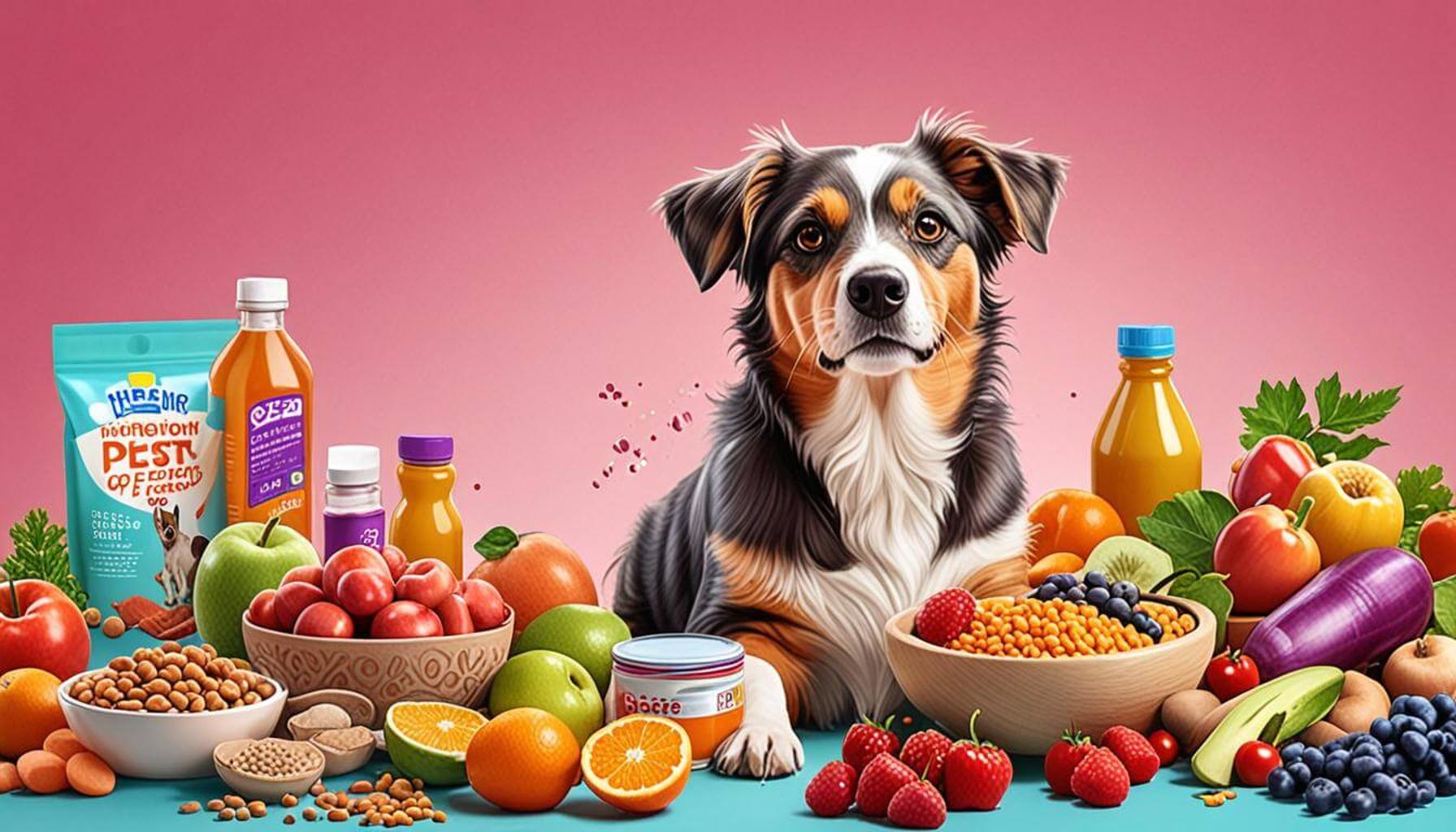
Pet owners might notice that a healthy coat is often accompanied by a vibrant personality and an active spirit. A well-nourished pet is not only visually appealing but also less prone to discomfort and disease. This undeniable connection between nutrition and skin health underlines the importance of providing pets with a balanced and enriching diet tailored to their individual needs.
To dive deeper, let’s explore the benefits of the essential nutrients that contribute to skin and coat vitality:
- Omega fatty acids: These are not just beneficial; they are indispensable for optimal skin health. Omega-3 and Omega-6 fatty acids found in fish oil, flaxseed oil, and various nuts work to reduce inflammation, alleviate dry skin conditions, and enhance overall coat shine. For instance, a diet enriched with salmon can promote a smooth and glossy coat while also reducing itchy skin symptoms often seen in breeds prone to allergies.
- Proteins: The role of proteins cannot be overstated in regards to your pet’s coat condition. They provide the vital building blocks for keratin, which is essential for hair growth. High-quality protein sources, such as chicken, beef, and eggs, support not only hair strength but also its thickness and texture. Regular protein intake ensures that your pet’s coat remains resilient against the wear and tear of everyday life.
- Vitamins A, E, and B-complex: These vitamins are crucial for maintaining skin integrity. Vitamin A encourages the production of healthy skin cells, preventing flakiness and dryness, while Vitamin E acts as an antioxidant that protects skin cells from damage. B vitamins contribute to moisture retention and support the overall health of your pet’s fur. Thus, incorporating foods rich in these vitamins, such as carrots, spinach, and whole grains, can significantly improve coat quality.
However, not all ingredients in pet food are beneficial. It’s vital to be wary of certain allergens that may lead to skin issues. Many commercial foods contain artificial additives, cheap fillers like corn, and low-quality proteins that can contribute to:
- Itchy skin: This may manifest as scratching, excessive grooming, or even self-inflicted wounds.
- Hair loss: Pets might experience thinning fur or bald patches as a result of allergies or nutritional deficiencies.
- Skin infections: Poor nutrition can weaken the immune system, making your pet more susceptible to bacterial and fungal infections.
To promote your pet’s well-being, it’s essential to choose a high-quality diet that meets their specific nutritional requirements. Consulting with a veterinarian can help you assess your pet’s needs based on their breed, age, and lifestyle. By investing in proper nutrition, you not only foster a lustrous coat and healthy skin but also significantly enhance your pet’s quality of life. Exploring premium pet foods that prioritize health and well-being can uncover a myriad of options that could cater to your pet’s unique needs. The journey towards exceptional skin and coat health is an investment worth making for the happiness of your beloved furry friend.
LEARN MORE: Click here for essential tips on pet dental health
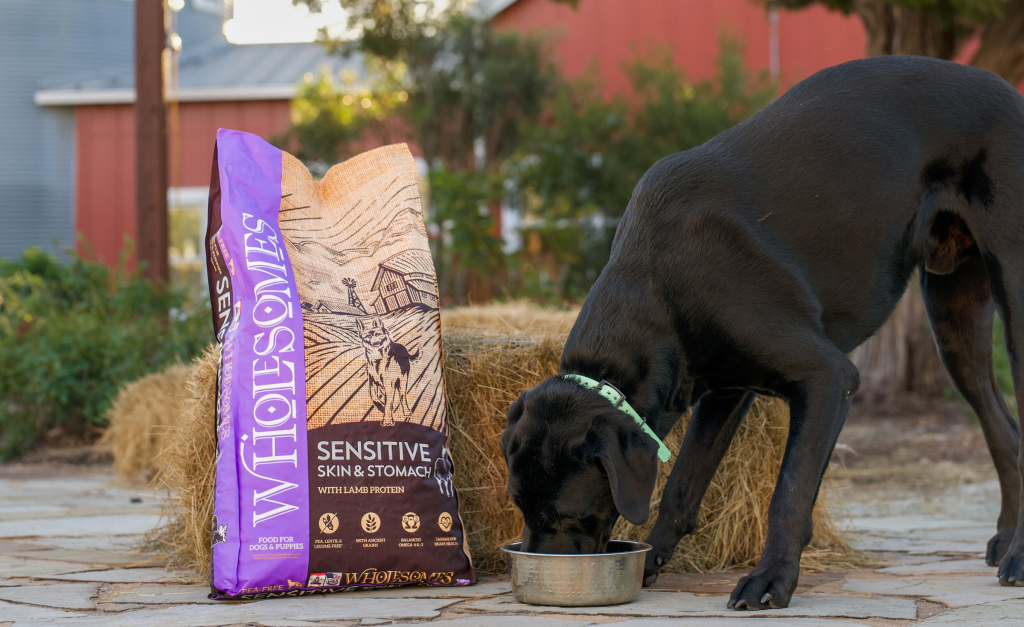
Essential Nutrients for Healthy Skin and Coat
The vitality of a pet’s skin and coat extends far beyond mere aesthetics; it reflects their overall health and well-being. Proper nutrition serves as the cornerstone of achieving and maintaining this vitality. A multitude of essential nutrients plays a pivotal role in ensuring your furry companions enjoy a shiny coat and resilient skin. Identifying and understanding these nutrients can empower pet owners to make informed dietary choices that ultimately enhance their pets’ quality of life.
One of the most notable groups of nutrients is omega fatty acids. These essential fats are critical in combating skin issues and warding off dryness. Omega-3 and Omega-6 fatty acids can be found in various marine sources such as fish oil and plant-based alternatives like flaxseed oil. Not only do they help reduce inflammation, but they also support the production of a healthy skin lipid barrier, which protects against environmental stressors. A diet rich in these fatty acids can lead to smoother, softer fur and reduce the likelihood of skin conditions such as dermatitis.
The Role of Protein in Coat Health
Next in line are proteins, which play an equally vital role in the composition and strength of your pet’s coat. Proteins are composed of amino acids, which are the building blocks of keratin, the protein that makes up hair. A diet abundant in high-quality protein sources like chicken, beef, and fish promotes not just robust fur but also aids in proper hair growth cycles. Insufficient protein intake can lead to brittle hair and even coat thinning, which can significantly impact your pet’s appearance and comfort.
Furthermore, vitamins such as A, E, and B-complex work synergistically to maintain skin and coat health. Vitamin A is essential for cell turnover, helping to maintain skin elasticity and hydration. In contrast, Vitamin E provides antioxidant protection, safeguarding skin cells from oxidative stress and environmental toxins. Vitamins from the B-complex group, including B6 and B12, help in moisture retention, ensuring that your pet’s coat remains lush and hydrated. Foods rich in these vitamins—like leafy greens, carrots, and whole grains—can significantly uplift your pet’s coat condition.
Avoiding Harmful Ingredients
Even as pet owners strive to provide optimal nutrition, they must also be cautious about certain harmful ingredients. Many commercial pet food brands contain artificial additives, low-quality fillers like corn, and non-nutritional by-products. These can lead to various skin issues, from itchiness to more severe conditions such as skin infections. Recognizing the signs of poor nutrition is equally crucial. Common symptoms include:
- Dry or flaky skin: Indicating a lack of essential fatty acids.
- Excessive scratching: This often correlates with allergic reactions or irritants in their diet.
- Thinning fur or bald patches: A sign of potential nutrient deficiency.
Monitoring these signs can help pet owners take preemptive action, ensuring their beloved companions do not suffer unnecessarily. The path to achieving a healthy skin and coat isn’t merely a cosmetic process—it signifies a comprehensive approach to nutrition and well-being.
The Importance of Proper Nutrition for Pets’ Skin and Coat
When it comes to ensuring the health of our beloved pets, one of the most crucial yet often overlooked aspects is nutrition. The right diet contributes significantly to the well-being of their skin and coat, providing essential nutrients necessary for maintaining a shiny, healthy appearance. Pet owners should consider the various components of their pets’ food, as these elements have profound effects on skin health and coat vitality.
| Nutrient Type | Importance |
|---|---|
| Omega Fatty Acids | Support hydration and reduce inflammation, leading to a smoother coat. |
| Vitamins A and E | Promote skin cell repair and enhance coat shine, preventing dryness. |
Providing pets with a balanced diet rich in these essential nutrients not only enhances their appearance but also aids in preventing common skin issues such as allergies and irritations. Furthermore, adequate hydration is vital; it supports skin elasticity and overall health. Pet owners should consult with veterinarians to determine the best dietary plans tailored to their pets’ specific needs, ensuring optimal skin and coat health throughout their lives.
DISCOVER MORE: Click here for helpful tips and inspiring stories
The Impact of Hydration on Skin and Coat Health
While nutrition is pivotal, hydration plays an equally significant role in maintaining the health of your pet’s skin and coat. Just as humans need a balanced intake of fluids for optimal function, pets require proper hydration to keep their skin supple and their coat shiny. Water aids in nutrient transport and digestion, and it assists in the detoxification processes within the body. A well-hydrated pet is not only more vibrant but also possesses greater resilience against skin irritations.
Pet owners should always ensure that fresh, clean water is available at all times. This is particularly important in hot weather or after vigorous exercise when pets are more prone to dehydration. Additionally, certain foods can contribute to hydration levels: moist canned food or foods with a higher moisture content can be more beneficial than dry kibble, particularly for pets that struggle to drink enough water throughout the day.
The Role of Antioxidants in Skin Protection
Beyond essential fatty acids and proteins, antioxidants also deserve significant attention in the realm of skin and coat health. These compounds, found in a variety of fruits and vegetables, protect against free radical damage that can lead to skin aging and other issues. Ingredients rich in antioxidants such as blueberries, sweet potatoes, and carrots not only enhance your pet’s diet but also contribute to a healthier skin barrier.
The balance of omega-3 and omega-6 fatty acids can be further enhanced by incorporating specific natural sources that also provide antioxidants. For instance, a diet enriched with fatty fish can have a dual effect, supplying essential oils while simultaneously offering anti-inflammatory properties that combat skin problems. These highly beneficial ingredients contribute to enhancing the luster of your pet’s coat as well.
Dietary Supplements to Consider
For pets with specific skin conditions or those needing additional support, dietary supplements might be a valuable consideration. Supplements containing omega fatty acids, biotin, or zinc can provide targeted benefits. For instance, biotin is known to improve skin health and coat condition, making it a popular choice among pet owners looking to achieve a glossy finish to their pet’s fur. However, it’s essential for pet owners to consult with a veterinarian before introducing any new supplements, as there could be interactions with existing health issues or medications.
The Influence of Age and Breed on Nutritional Needs
It’s important to recognize that a pet’s age, breed, and lifestyle should inform their specific dietary needs. Puppies and kittens, for instance, require higher protein levels for growth, which plays a direct role in the development of strong skin and fur. Conversely, older pets may benefit from diets formulated with joint health in mind, often including glucosamine and other nutrients that indirectly support skin and coat health.
Different breeds can also exhibit distinct predispositions to skin conditions, necessitating customized nutritional strategies. For example, breeds like Bulldogs and Retrievers are more susceptible to certain skin issues, and their diets can be fine-tuned to combat these vulnerabilities. Pet owners can enhance their knowledge by researching breed-specific dietary needs as well as observing their pets’ reactions to specific food types, leading to more personalized feeding plans that support healthy skin and coats.
DISCOVER MORE: Click here for essential pet health tips
Conclusion: Prioritizing Nutrition for Radiant Skin and Coat
In summary, the health of your pet’s skin and coat is profoundly influenced by proper nutrition, making it a cornerstone of their overall well-being. A balanced diet that includes essential fatty acids, high-quality proteins, and abundant antioxidants can make a significant difference in the appearance and resilience of your furry friend’s skin and fur. As we have explored, hydration and targeted dietary supplements serve as crucial complements to a nutritious diet, enhancing skin hydration and providing extra support for pets experiencing specific skin issues.
Moreover, understanding the unique nutritional needs based on your pet’s age, breed, and lifestyle allows for a more tailored approach to their diet, potentially preventing or alleviating breed-specific skin problems. The benefits of investing time in researching appropriate foods, evaluating dietary options, and consulting with veterinarians can lead to noticeable improvements in your pet’s skin and coat health.
Ultimately, nourishing your pet with the right dietary components not only promotes a shinier coat and healthier skin but also reinforces their vitality and happiness. By prioritizing the importance of proper nutrition, pet owners can cultivate a deep bond with their companions, witnessing firsthand the transformative effects of a diet rich in essential nutrients. Embrace this journey towards better pet health, and explore the myriad options available—your pet’s skin and coat will thank you!