The Importance of Positive Reinforcement in Dog Training

The Power of Positive Reinforcement
Dogs are incredibly smart and social creatures. They thrive on interactions that not only build bonds but also establish trust. One of the most effective ways to train your canine companion is by focusing on positive reinforcement.
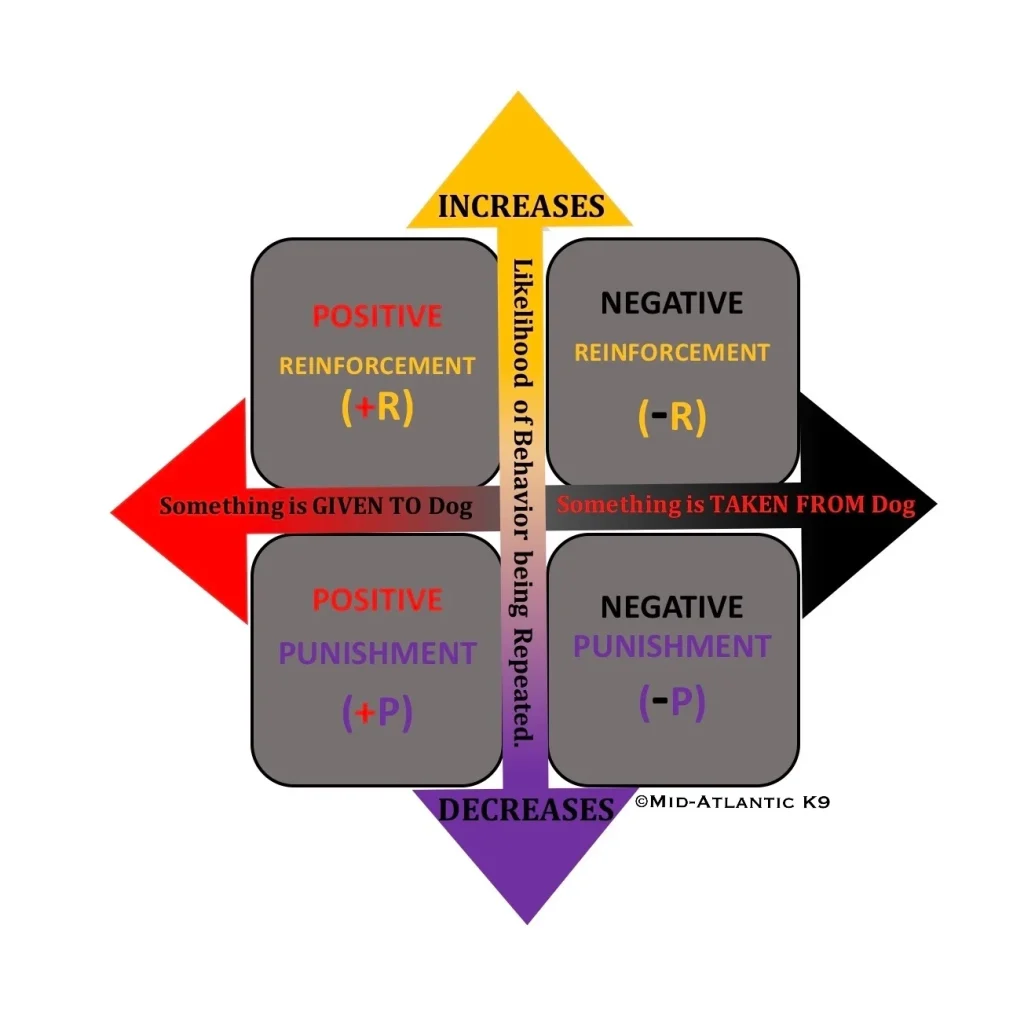
Positive reinforcement involves rewarding desirable behaviors rather than punishing unwanted ones. This technique resonates profoundly with dogs, making them more eager to learn and cooperate. When you understand how effective reinforcement can be, you can lead your dog to success in training while fostering a loving relationship. Let’s delve into some key aspects of this method:
- Encouragement over punishment: Traditional training methods often resort to fear-based tactics, leading to anxiety and mistrust. In contrast, positive reinforcement nurtures a supportive environment where your dog feels safe to explore and learn, which is vital for their mental and emotional wellbeing.
- Enhances learning: Dogs learn faster when they associate specific behaviors with rewards such as treats, praise, or playtime. For instance, rewarding your dog with a favorite snack immediately after they sit on command reinforces that behavior effectively, encouraging them to repeat it in the future.
- Strengthens the bond: Building a relationship grounded in respect and love transforms your interactions. Your canine friend will recognize you as a source of positivity, leading to a deeper emotional connection that enhances both your lives.
Research has shown that dogs trained with positive reinforcement exhibit fewer behavioral problems. A study conducted by the University of Pennsylvania reported that training methods based on punishment could lead to increased aggression and anxiety in dogs. Conversely, positive reinforcement cultivates well-adjusted pets, paving the way for a harmonious home. This approach not only aligns with the principles of humane treatment but is also essential for dog owners in the United States and beyond.
Moreover, positive reinforcement can be applied in various scenarios, from basic obedience training to more complex tasks. For example, if you’re teaching your puppy to come when called, using enthusiastic praise and treats can significantly increase the likelihood of them responding promptly. Incorporating play as a reward can make training sessions more enjoyable and engaging, turning them into a fun game rather than a chore.
As you delve deeper into the world of dog training, you’ll discover that positive reinforcement not only benefits your pet but also transforms your overall relationship with them. The journey of training is an opportunity for growth—both for you and your furry friend. Engaging in this process together fosters trust, loyalty, and an unbreakable bond, enabling you to face future challenges as a team. Get ready to experience the joy of training with kindness and compassion—it’s a rewarding adventure for both you and your dog.
DISCOVER MORE: Click here for essential pet health tips
Understanding the Mechanisms of Positive Reinforcement
To fully appreciate the significance of positive reinforcement in dog training, it’s essential to understand how this method works psychologically on our pets. Dogs, as social animals, respond well to rewards that trigger their instincts and stimulate their desire to comply with commands. When they receive a reward—be it a treat, a toy, or verbal praise—they are more likely to associate the desired behavior with positive outcomes, which encourages repetition.
The process of shaping behavior through positive reinforcement involves several key principles:
- Immediate Response: Timing is crucial in positive reinforcement. The reward must follow the desired behavior almost immediately, allowing the dog to connect the dot between the action and the reward. For instance, if your dog sits on command and you offer a treat right away, they will understand that sitting leads to receiving something they enjoy.
- Consistency is Key: Consistently rewarding the same behavior helps solidify it. For example, if your dog offers you a paw and you consistently reward this action, they are likely to repeat it. Inconsistent rewards can cause confusion, leading to frustration for both the dog and the trainer.
- Gradual Progression: Initiating training with straightforward commands and gradually increasing complexity helps keep your dog engaged. Once they master basic commands like “sit” or “stay,” you can move on to more complex tasks that may require additional effort and focus, thus enhancing their skills further.
Taking the time to learn these mechanisms not only prepares you as a trainer but also creates a learning environment where your dog can thrive. This understanding helps minimize miscommunication between you and your pet. A common mistake many novice trainers make is to overlook the nature of the rewards. For some dogs, a simple pat on the head may be more rewarding than a treat, while for others, the opposite may hold true. This is why getting to know your dog’s individual preferences can be the key to effective training.
Positive reinforcement aligns with the biological and emotional needs of dogs. A recent survey by the American Kennel Club indicated that nearly 80% of dog owners who employed positive reinforcement reported better behavioral outcomes compared to those using punitive measures. This highlights how crucial it is to adopt methods that resonate with our pets’ instincts and emotions.
In addition to fostering the desired behaviors, positive reinforcement also combats behavioral issues that often arise from fear or anxiety. Dogs trained through punishment may develop fear responses, leading to aggression or withdrawal. In contrast, fostering a positive environment encourages your pet to be more confident and less reactive to external stimuli, creating a more balanced and well-adjusted dog.
Ultimately, understanding the mechanisms of positive reinforcement and its effects on behavior is the cornerstone of successful dog training. This method not only promotes learning but strengthens the relationship between you and your dog—an essential bond that benefits both parties for years to come.
| Advantages | Description |
|---|---|
| Strengthens Bond | Using positive reinforcement creates trust between the dog and owner, resulting in a deeper emotional connection. |
| Encourages Good Behavior | Rewarding desired behaviors increases the likelihood that these actions will be repeated, leading to a well-mannered pet. |
| Reduces Fear and Anxiety | Positive reinforcement diminishes the likelihood of aggression or fear-based behaviors, promoting calmness in dogs. |
| Boosts Learning Speed | Dogs typically learn faster when rewards are involved, making training sessions more effective and enjoyable. |
The strong association that dogs make with a reward leads to a more responsive and eager learner. By consistently applying positive reinforcement techniques, pet owners can navigate the complexities of dog behavior with greater ease and understanding. The emotional engagement accompanying this method not only transforms training sessions but also significantly enhances the *overall well-being of dogs*. Engaging in this approach may uncover hidden talents and traits within a dog, urging pet owners to discover their canine counterparts’ unique personalities and abilities. By exploring the nuances of positive reinforcement, one can delve deeper into the science and psychology driving successful canine companionship.
LEARN MORE: Click here for essential tips on pet dental health
Building Trust and Strengthening the Human-Canine Bond
One of the most compelling aspects of positive reinforcement in dog training is its role in fostering trust between dogs and their owners. Unlike abusive or punitive training techniques that may instill fear or anxiety, positive reinforcement nurtures a collaborative relationship where both parties feel secure. This trust is vital; it not only makes training sessions more enjoyable but also helps dogs feel comfortable exploring the world around them.
Dogs are inherently social creatures that thrive on companionship and approval. By employing positive reinforcement, owners reinforce not just specific behaviors but also their overall bond. Research from the University of Victoria shows that dogs respond positively to affectionate human interaction, proving that nurturing trust can naturally enhance their learning capabilities. For instance, when a dog learns that sitting calmly beside their owner earns praise and attention, they are more likely to seek out and enjoy opportunities for connection, enriching their training experience.
Moreover, ongoing trust enables successful long-term training. Rather than viewing a training session as a chore, dogs trained with positive reinforcement typically exhibit eagerness and enthusiasm during each encounter. This proactive approach has remarkable effects on the dog’s mental well-being, as positive experiences can mitigate behavioral problems linked to boredom and lack of stimulation.
Addressing Behavioral Issues with Positive Methods
Behavioral issues often arise in dogs due to a combination of environmental stressors and misunderstood cues from their owners. For instance, a dog that frequently barks at strangers may be acting out of fear or territorial instincts. By employing positive reinforcement, owners can gradually modify their dog’s reaction to such stimuli through systematic desensitization. This involves rewarding the dog for remaining calm in the presence of visitors rather than harshly disciplining them for barking.
In particular, desensitization techniques effectively illustrate the power of positive reinforcement. According to a study by the American Veterinary Society of Animal Behavior (AVSAB), dogs exposed to gradual increases in stimuli—combined with positive rewards—show markedly less anxiety and aggression. The same methodology can be applied to common behavioral challenges like chewing or digging. Instead of punishing the dog for undesirable actions, owners can redirect their energy toward appropriate toys or activities, rewarding them in the process.
Incorporating Variety into Training Routines
The monotony of repetitive training can lead to disengagement, ultimately slowing progress. One effective technique to combat this is the implementation of variable rewards—an approach that adds elements of surprise to the training routine. Just as slot machines in casinos engage players through unpredictable outcomes, so too can employing a variety of rewards keep your dog interested during training. This method helps maintain motivation, as dogs learn to anticipate rewards for their efforts, leading to improved engagement.
Additionally, rotating types of rewards—using treats one day, toys the next, and verbal praise at another—can cater to your dog’s preferences while also enhancing their learning experience. By doing so, trainers keep their dogs curious and excited about the potential outcomes during each training session, ensuring that learning remains an adventure rather than a mundane task.
In summary, the benefits of positive reinforcement in dog training go beyond mere behavior correction. They serve as the building blocks for a trusting relationship, an effective way to address behavioral issues, and an ongoing source of motivation that keeps your dog engaged and eager to learn. The result is a harmonious partnership enriched with mutual understanding and respect.
DIVE DEEPER: Click here to learn more about pet socialization
Conclusion: Embracing Positive Reinforcement for a Brighter Future
In conclusion, positive reinforcement in dog training emerges as a transformative approach that not only enhances behavior but also deepens the connection between canine companions and their owners. As we have explored, this method builds lasting trust, which is essential for creating a safe and engaging learning environment. The absence of fear or anxiety in training sessions allows dogs to approach new experiences with curiosity and joy, fostering a healthy mindset that extends beyond the training yard.
Moreover, the capacity to address behavioral issues using positive techniques illustrates the versatility and effectiveness of this method. By focusing on rewarding desired actions rather than punishing undesirable ones, owners can replace negative behaviors with constructive habits, making for a happier household. The incorporation of variety in training routines further sustains motivation, ensuring that learning remains an enriching experience rather than a tedious task.
Ultimately, the long-term benefits of positive reinforcement are clear: owners enjoy a harmonious partnership with their dogs characterized by mutual respect and understanding. As this approach gains traction within the broader community, it is essential to remember that each dog is a unique individual. Continued education and adaptation to your dog’s specific needs will facilitate the best results. For those eager to expand their knowledge, resources such as training workshops, books, and online forums can offer valuable insights, paving the way for more effective and enjoyable training experiences.
By adopting positive reinforcement as the cornerstone of your training philosophy, you’re not just teaching your dog; you’re enriching their life and your own, creating a bond that will last a lifetime.