The importance of hydration for the renal health of pets
The Importance of Hydration in Maintaining Renal Health in Pets
Water is not just a source of life for humans; it plays an equally vital role for our beloved pets. Hydration is critical in keeping them healthy, with a particular emphasis on their renal system. The kidneys serve as essential organs that filter waste from the bloodstream and regulate bodily fluids, making hydration a fundamental aspect of pet care that should never be overlooked.
When pets suffer from dehydration, they can face serious health consequences that may not be immediately apparent. Some of the significant issues that arise include:
- Kidney stones: These are hard mineral deposits that form in the renal system due to concentrated urine resulting from insufficient water intake. For example, cats are particularly prone to developing urinary crystals which can escalate into painful stones if hydration is inadequate.
- Urinary tract infections (UTIs): When a pet’s urine becomes concentrated due to dehydration, it can set the stage for bacterial growth, leading to UTIs. Signs of this condition may include straining to urinate or frequent trips to the litter box, which should not be ignored.
- Kidney failure: Chronic dehydration places excessive pressure on the kidneys, leading to long-term damage. This condition can be especially prevalent in older pets or those with pre-existing health issues, making it imperative for owners to monitor water intake continuously.
In the United States, many pet owners may underestimate the amount of water their animals require each day. On average, a dog should drink about one ounce of water per pound of body weight, while cats generally need around five to ten ounces daily. However, factors such as climate, diet, and activity level can greatly influence these needs.
Fortunately, there are various strategies pet owners can employ to ensure their furry friends stay well-hydrated:
- Always provide fresh and clean water accessible at all times. Changing the water regularly can also encourage pets to drink more.
- Incorporate water-rich foods, such as wet or canned pet food, which can help maintain hydration levels, particularly for cats who may be less inclined to drink water.
- Consider using pet water fountains that not only provide a continuous flow of fresh water but often entice pets to drink more due to their preference for moving water.
As you continue on your journey of caring for your pets, always remember that maintaining adequate hydration is fundamental to their overall health and particularly their renal well-being. Staying vigilant about their water intake can prevent serious health issues and promote a happier, more active lifestyle for your four-legged companions.
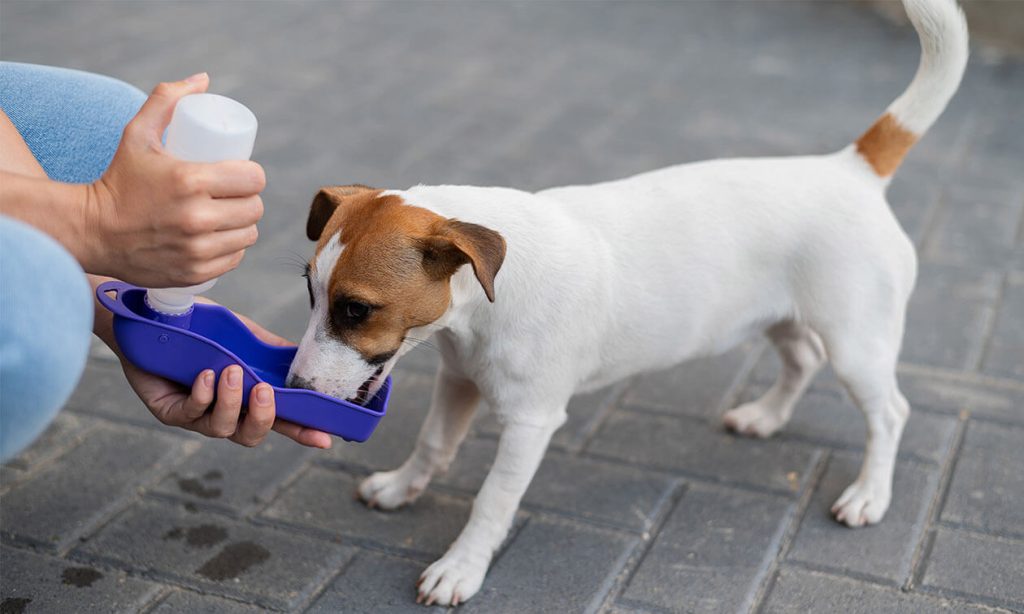
LEARN MORE: Click here to discover essential nutrients for your pet’s health
Understanding the Role of Hydration in Renal Function
The kidneys are remarkable organs that perform several critical functions, from filtering toxins out of the bloodstream to regulating electrolytes and maintaining the balance of fluids in the body. This intricate process heavily relies on adequate hydration. When a pet is sufficiently hydrated, the kidneys can efficiently filter waste and excrete it through urine. However, when hydration levels drop, the body begins to experience stress, compromising the kidneys’ ability to function optimally.
Dehydration is particularly insidious because its symptoms can often remain hidden until significant damage occurs. Pets may not readily show signs of thirst because their natural instinct is to conserve water, mirroring behaviors seen in their wild ancestors. As a result, it falls upon attentive pet owners to actively monitor and ensure their pets are drinking enough water each day.
Interestingly, different breeds of pets have distinct hydration needs, which can vary considerably. For instance:
- Dogs: Larger breeds, such as Great Danes or Saint Bernards, may require more water due to their size, while smaller dogs, like Chihuahuas, need less but still significant amounts relative to their body weight.
- Cats: Felines often drink less water than dogs, primarily because they evolved from desert-dwelling ancestors that obtained moisture from their prey. It’s crucial for cat owners to recognize this tendency and ensure a water-rich diet if their pets are reluctant to drink water directly.
The risk of dehydration is exacerbated during warmer months or in dry climates. Pets tend to lose water more rapidly through panting and sweating, which makes regular hydration checks even more vital. It’s also important to consider the influence of diet; pets fed primarily on dry kibble may require more water intake compared to those who consume wet foods, which naturally provide additional moisture.
Owners should be attuned to signs of potential dehydration, which include:
- Excessive thirst: If a pet is drinking more water than usual, it could indicate an underlying issue, including dehydration.
- Dry gums or a dry nose: These are physical signs that can easily denote dehydration when observed alongside other symptoms.
- Decreased skin elasticity: When the skin is pinched, it should return to its original position quickly. If it remains “tenting,” it could be a sign of dehydration.
Regular health check-ups with a veterinarian can provide valuable insights into a pet’s hydration status and overall renal health. Laboratory tests can reveal concentrations in urine and the blood urea nitrogen (BUN) levels that help diagnose dehydration and assess kidney function.
By understanding the connection between hydration and kidney health, owners can adopt proactive measures to ensure their pets remain well-hydrated. This ongoing care can significantly enhance their quality of life and help prevent long-term renal complications.
| Advantage | Explanation |
|---|---|
| Prevention of Urinary Tract Issues | Adequate hydration dilutes urine, decreasing the likelihood of crystal formation and urinary tract infections. |
| Optimal Kidney Function | Hydration is crucial for filtering toxins from the blood, ensuring that the renal system operates effectively. |
Maintaining proper hydration is not merely a matter of quenching thirst, but a fundamental aspect of your pet’s overall renal health. Just as humans need fluid for their bodily functions, pets require a constant intake of water to keep organs functioning optimally. Dehydration can lead to serious health complications, especially affecting the kidneys, which are responsible for excreting waste and regulating body fluids.Did you know that dogs and cats have significantly different hydration needs? While dogs may drink ample amounts of water, cats are more prone to chronic dehydration due to their natural hunting instinct, which drives them to obtain moisture primarily from their prey. Consequently, pet owners must be vigilant in monitoring their pet’s water intake, providing fresh, clean water at all times, and even considering wet food options for additional hydration.Pets suffering from conditions like kidney disease can particularly benefit from attentive hydration strategies. Increasing water consumption can slow the progression of kidney dysfunction and contribute to a higher quality of life. Offering filtered or distilled water, enhancing food with broths, or even using water fountains can motivate pets to drink more regularly.It is important to recognize the early signs of dehydration, such as dry gums, lethargy, and decreased urine output. If you notice any of these symptoms, consult your veterinarian immediately for guidance on correcting hydration levels and safeguarding your pet’s renal health. Understanding the importance of hydration will empower you to promote better health for your furry companions.
LEARN MORE: Click here to discover essential tips
The Consequences of Inadequate Hydration
Understanding the broad implications of inadequate hydration is key to recognizing its critical role in pet health, specifically concerning renal function. Chronic dehydration can lead to a myriad of issues, such as urinary tract infections, kidney stones, and eventually chronic kidney disease (CKD). CKD is particularly prevalent in older pets and can lead to lifelong complications, necessitating ongoing management and treatment.
Furthermore, pets that are consistently dehydrated are more prone to acute kidney injury, a rapid deterioration of renal function that can result in kidney failure. This condition can arise from a variety of circumstances, including sudden fluid loss due to severe diarrhea or vomiting. Owners are often unaware of these risks until it’s too late, emphasizing the importance of preventive care.
Recent studies reveal that pets suffering from CKD significantly benefit from increased water intake. For instance, a research initiative conducted by the University of California, Davis, found that cats diagnosed with early-stage CKD showed improved kidney function when provided with higher amounts of water. The study highlighted that just a slight increase in water consumption could lead to better quality of life and prolonged survival times.
Innovative Ways to Encourage Hydration
Given that many pets are resistant to drinking adequate amounts of water, innovative strategies can aid in promoting hydration. Simply placing multiple water bowls around the house encourages pets to drink more frequently. Additionally, pet owners may consider using water fountains, which often attract pets to drink more due to the moving water, mimicking a natural environment.
Incorporating wet foods into a pet’s diet is another effective way to enhance fluid intake. For dogs and cats alike, wet food typically contains high moisture content that contributes to their overall hydration. In fact, feline diets that are primarily based around canned foods can lead to hydration levels comparable to those of wild cats, who primarily consume prey.
The Role of Electrolytes in Hydration
Another fascinating aspect of hydration involves the role of electrolytes in maintaining fluid balance. Electrolytes, such as sodium, potassium, and chloride, play essential roles in hydration. When pets lose fluids due to illness or physical activity, replenishing electrolytes becomes crucial. Specialized electrolyte solutions formulated for pets can assist in recovering lost fluids and maintaining kidney health. Pet owners should consult with their veterinarian before implementing such solutions to ensure the specific needs of their pets are met.
Moreover, understanding the signs of dehydration can aid owners in acting promptly. Symptoms such as low energy, reluctance to play, or even changes in fur texture can indicate that a pet is lacking sufficient hydration. Regular observation and prompt action in such situations can be a game-changer in preventing renal complications.
The awareness around the importance of hydration reflects a growing appreciation for the role of pet health in the overall well-being of family companions. By making conscious efforts to keep their pets well-hydrated, owners can enhance their pets’ quality of life and support their renal health effectively.
DISCOVER MORE: Click here to learn about pet socialization
Conclusion
The significance of hydration in maintaining optimal renal health for pets cannot be overstated. Through our exploration of the consequences that arise from inadequate water intake, it is clear that chronic dehydration not only leads to serious conditions such as kidney stones and chronic kidney disease but may also pave the way for acute kidney injuries. Given the increasing prevalence of these issues, especially in older pets, pet owners must prioritize hydration as a fundamental aspect of their pets’ health care.
Innovative strategies for encouraging hydration, such as providing multiple water sources, investing in water fountains, or integrating wet food into their diets, can make a significant difference. Additionally, the importance of replenishing essential electrolytes when pets lose fluids during illness or exertion signifies an often-overlooked aspect of hydration that can directly affect kidney health.
Moreover, recognizing the signs of dehydration and taking proactive steps can dramatically improve the quality of life for pets, particularly those already at risk for renal complications. By fostering a deeper understanding of these issues and implementing practical solutions, pet owners can play a crucial role in supporting their furry companions’ health.
As the conversation around pet hydration continues to evolve, it encourages ongoing research and awareness among pet owners—leading to informed choices that enrich the lives of our beloved animals. In conclusion, prioritizing hydration is not just an act of care; it is essential to the long-term renal health of our pets.