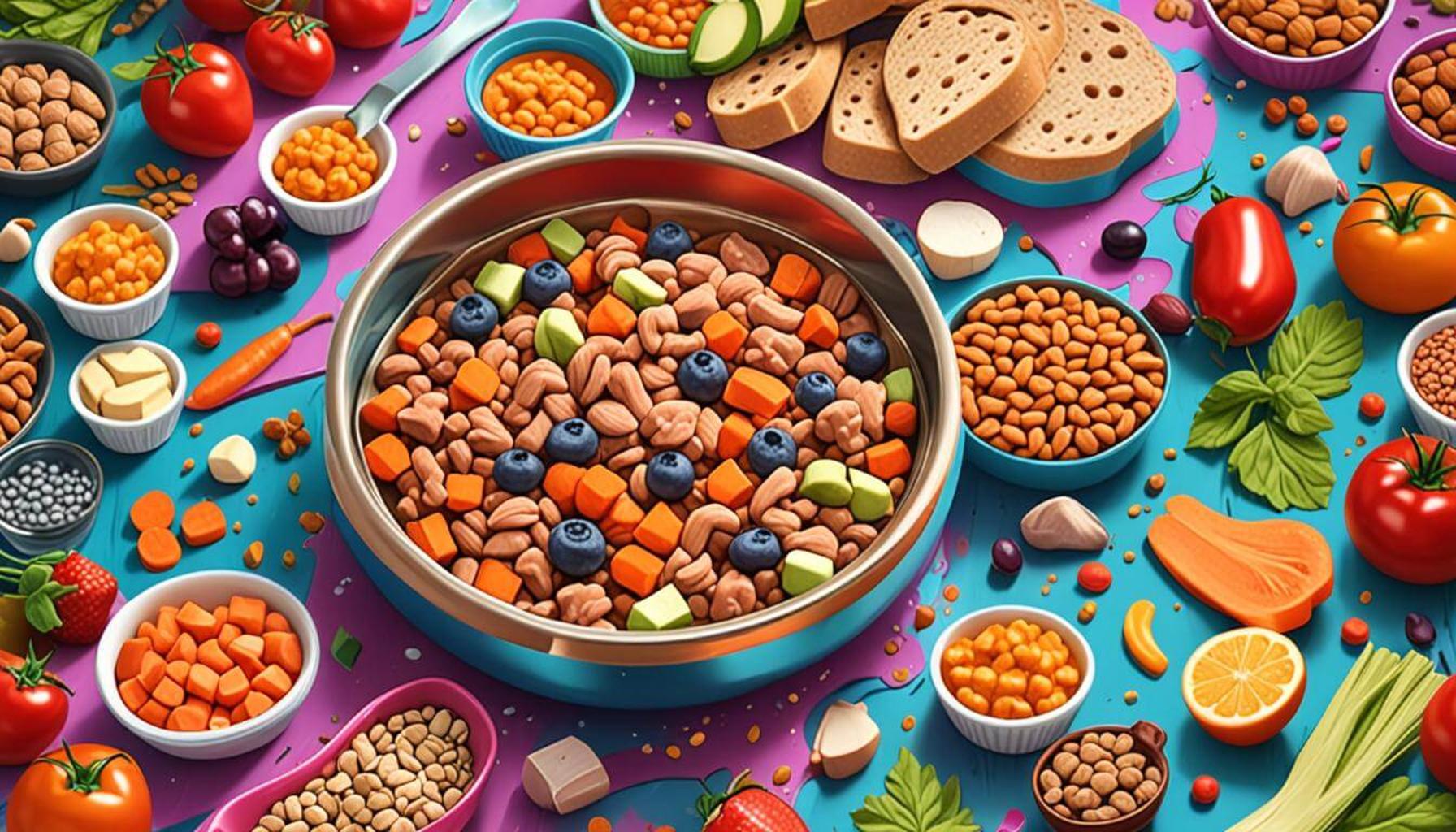
The Importance of Fiber in Pet Diets: Benefits and Sources

The Importance of Fiber in Pet Nutrition
For pet owners, ensuring that their companions receive a balanced diet is a crucial aspect of responsible pet care. One often-overlooked component of pet nutrition is fiber. While many focus on proteins, fats, and carbohydrates, understanding fiber’s role can unlock a myriad of health benefits, enhancing the overall well-being of our furry friends.
Fiber plays an essential role in promoting digestive health. As it moves through the digestive tract, it adds bulk to the stool, which helps to regulate bowel movements and prevent constipation. For pets, especially those prone to digestive issues, maintaining gut regularity is vital. A study published in small animal nutrition suggests that conditions like constipation can lead to discomfort and stress, highlighting the importance of a fiber-rich diet.
The advantages of fiber extend beyond digestive health. It plays a significant part in weight management. Fiber-rich foods promote a feeling of fullness, which can help pets maintain or achieve a healthy weight. This is particularly important in a country where obesity in pets is on the rise, with an estimated 56% of dogs and 60% of cats in the United States classified as overweight or obese, according to the Association for Pet Obesity Prevention.
Moreover, fiber aids in blood sugar regulation. It slows down the absorption of glucose into the bloodstream, making it especially beneficial for diabetic pets. Research has shown that a diet high in fiber can improve glycemic control, making fiber a key consideration for diabetic management.
Fiber also plays a crucial role in gut health. Certain types of fiber act as prebiotics, fostering the growth of beneficial gut bacteria. A healthy gut microbiome is linked to better immune function, reduced inflammation, and even improved mental health in pets. Regularly feeding your pet fiber-rich foods can significantly enhance their overall well-being.

When considering how to add fiber to your pet’s diet, knowledge of sources is essential. Some excellent fiber-rich foods include:
- Vegetables: Carrots, peas, and pumpkin are all excellent choices, providing not only fiber but also essential vitamins and minerals.
- Fruits: Apples (deseeded), blueberries, and bananas not only add fiber but also antioxidants to the diet.
- Grains: Whole grains such as brown rice and oatmeal serve as good fiber sources, promoting digestive regularity.
- Commercial Pet Foods: Look for formulas specifically designed for digestive health, as many brands now offer high-fiber options.
By ensuring that fiber is a key component of your pet’s diet, you significantly contribute to their health and longevity. The exploration of fiber’s benefits encourages pet owners to educate themselves further on dietary needs, leading to healthier and more fulfilling lives for our beloved companions.
DISCOVER MORE: Click here for essential care tips
Understanding Fiber: The Building Block of a Healthy Pet Diet
Fiber is much more than just a dietary filler; it is a vital component of any pet’s nutrition plan. Unlike other macronutrients, fiber is not digested in the same way, yet it offers numerous health benefits that are essential for maintaining a pet’s well-being. Pet owners often overlook fiber, yet increasing awareness of its importance can lead to significant health improvements for pets of all ages.
Benefits of Fiber in Pet Diets
The inclusion of fiber in pets’ diets has diverse and far-reaching effects. A well-formulated fiber intake can enhance a pet’s life quality and longevity. Some key benefits include:
- Enhanced Digestive Health: Soluble and insoluble fibers work together to maintain a healthy digestive tract. Soluble fibers help to absorb nutrients, while insoluble fibers add bulk to feces, promoting regular bowel movements. This dual action is essential in lowering the risk of digestive disorders, such as diarrhea and constipation.
- Healthy Weight Maintenance: For overweight pets, fiber is a game-changer. Foods rich in fiber create a feeling of fullness without adding excessive calories. This helps pets feel satisfied and reduces the likelihood of overeating, making fiber a crucial tool in managing obesity effectively.
- Blood Sugar Stability: High-fiber diets are particularly beneficial for pets with diabetes. By slowing down the absorption of sugars, fiber helps maintain stable blood glucose levels. Consequently, pet owners should consider consulting with a veterinarian to tailor a diet that includes beneficial fibers for diabetic pets.
- Improved Gut Health: Certain types of fiber, particularly prebiotics, encourage the growth of healthy gut bacteria. These beneficial microorganisms not only enhance digestion but also play a significant role in boosting the immune system. A robust microbiome is linked to decreased inflammation and better overall health.
According to the American Kennel Club, achieving a balanced fiber intake can also improve mental well-being in pets. Studies suggest that a healthy digestive system can impact behavior and mood, emphasizing the overall interconnectedness of nutrition and well-being.
Choosing the Right Fiber Sources
Incorporating fiber into your pet’s diet may sound daunting, but there are numerous high-fiber options available. Both natural foods and specially formulated pet food can help meet your pet’s fiber needs. Here are some reliable sources to consider:
- Vegetables: Leafy greens, sweet potatoes, and broccoli provide excellent fiber and essential nutrients.
- Fruits: Berries, pumpkins, and pears can enhance your pet’s fiber intake while offering a delightful taste.
- Whole Grains: Grains like barley, quinoa, and oatmeal are wholesome fiber sources that also supply energy.
- Commercial Pet Foods: Many brands now offer specific formulas high in fiber for digestive health, making it easier to incorporate fiber into your pet’s daily meals.
By understanding and leveraging the benefits of fiber, pet owners can take significant strides in enhancing their furry companions’ health, happiness, and vitality. Exploring fiber options opens up a wealth of possibilities for maintaining a balanced and nutritious diet tailored to each pet’s unique needs.
The Importance of Fiber in Pet Diets: Benefits and Sources
Fiber plays a critical role in the digestive health of our pets, yet its importance is often underestimated. Including the right amount of fiber in your pet’s diet can lead to numerous health benefits that extend beyond digestion. Understanding how fiber functions and where to source it can guide pet owners in making informed dietary choices.
Digestive Health: One of the primary roles of fiber in a pet’s diet is to support healthy digestion. Fiber adds bulk to the stool, which helps promote regular bowel movements and reduces the risk of constipation. This is particularly significant for pets prone to gastrointestinal issues. A well-balanced diet containing fiber can lead to a healthier gut flora, assisting in overall digestive efficiency.
Weight Management: Fiber can also help in weight control by making pets feel full with fewer calories. As weight-related issues become increasingly common in pets, a diet higher in fiber can be a great strategy in achieving and maintaining a healthy weight. It enables pets to consume larger amounts of food without the associated high caloric intake, making it a valuable component of a weight-loss program.
Sources of Fiber: So, where can pet owners find fiber? Fiber comes from a variety of sources, including vegetables like carrots and peas, fruits such as apples and pumpkin, and grains like oatmeal and brown rice. Additionally, many commercial pet foods are formulated with added fiber from sources like beet pulp or psyllium, which can enhance the nutritional quality of your pet’s diet.
Equipping pet owners with this vital information emphasizes the critical role fiber plays in ensuring our furry friends live vibrant, healthy lives. When considering dietary adjustments, consulting with a veterinarian can provide personalized recommendations suited to an individual pet’s needs.
| Fiber Benefits | Key Characteristics |
|---|---|
| Promotes Regular Bowel Movements | Helps prevent constipation and promotes digestive health |
| Aids in Weight Management | Increases satiety without adding excessive calories |
By understanding the myriad of benefits that a fiber-rich diet can offer pets and locating appropriate sources, pet owners can help ensure a balanced and healthful approach to their pets’ nutrition. This knowledge not only contributes to their overall health but also enhances their wellbeing and quality of life.
LEARN MORE: Click here to discover essential socialization techniques
Navigating Fiber Needs: A Guide for Pet Owners
As the understanding of pet nutrition evolves, pet owners are discovering that not all fibers are created equal. The benefits of incorporating the right types of fiber into a pet’s diet can vary significantly. There are two main categories of fiber: soluble fiber and insoluble fiber. Each serves distinct roles in digestive health and overall wellbeing, and recognizing these differences is essential for crafting the ideal diet for pets.
Types of Fiber and Their Unique Roles
Soluble fiber is known for its ability to dissolve in water, forming a gel-like substance during digestion. This type of fiber helps regulate blood sugar levels and supports healthy digestion by providing a medium for beneficial bacteria to flourish. Rich sources of soluble fiber include oats, barley, and psyllium husk. Including these ingredients in your pet’s diet can be particularly advantageous for pets dealing with conditions like diabetes or high cholesterol.
On the other hand, insoluble fiber adds bulk to the stool and assists in moving food through the gastrointestinal tract. This type of fiber is vital for promoting regular bowel movements and preventing constipation. It can also be found in whole grains, nuts, and seeds. Including insoluble fiber can be crucial for pets prone to digestive irregularities or associated health issues.
Fiber and Age-Related Considerations
Different life stages require different dietary considerations. For puppies and kittens, the emphasis may be on lightweight fiber sources that support steady growth without impeding nutrient absorption. Conversely, senior pets may benefit from a fiber-rich diet that facilitates digestion and prevents obesity. Older pets can often struggle with dental health issues, making softer, easily digestible fiber sources—such as canned pumpkin or cooked vegetables—particularly beneficial.
Additionally, a growing body of evidence suggests that the inclusion of fiber in senior pets’ diets can also support cognitive function. Studies point to a connection between gut health and brain health known as the “gut-brain axis.” Nourishing gut bacteria through adequate fiber intake may enhance cognitive function and mood stability in aging pets, making fiber a functional necessity for older pets.
How to Introduce Fiber Gradually
When it comes to incorporating new fiber sources into your pet’s diet, gradual introduction is key. Sudden changes can lead to digestive upset. Start by mixing a small amount of high-fiber foods with the regular diet, slowly increasing the fiber’s proportion over several days. Observe your pet for signs of digestive distress, such as gas or loose stools, and make adjustments as needed.
Consulting a veterinarian for personalized recommendations ensures that all nutritional sources align with your pet’s health needs. They can also help identify specific ingredients that support health issues associated with varying life stages and conditions.
Conclusion
Ultimately, understanding the significance of fiber in your pet’s diet is an empowering step towards better health. With the right information, pet owners can make educated decisions about integrating fiber-rich foods, providing optimal health benefits, and enhancing the quality of life for their beloved companions.
DISCOVER MORE: Click here to learn about innovative clicker training techniques
Conclusion
In conclusion, the role of fiber in pet diets is not just a matter of digestive health; it is a vital component influencing numerous aspects of overall wellbeing. The incorporation of both soluble and insoluble fiber offers a multitude of benefits, from regulating blood sugar levels to ensuring proper bowel function. Recognizing the specific dietary requirements based on age and health conditions, such as diabetes in adult pets or digestive issues in seniors, can significantly enhance their quality of life.
Moreover, the emerging link between gut health and cognitive function may open new avenues for further exploration in pet nutrition. As studies continue to illuminate the connections between fiber intake and various health metrics, pet owners are encouraged to take a proactive approach in integrating natural fiber sources into their pets’ diets. Whole grains, fruits, vegetables, and even specialized commercial pet foods can be fantastic ways to introduce fiber.
The journey towards optimizing your pet’s health through fiber begins with informed choices and gradual integration. Consulting with a veterinarian will provide personalized guidance tailored to your pet’s unique needs. By prioritizing fiber-rich nutrition, you’re not only supporting your pet’s digestive tract but also paving the way for a happier, healthier, and longer life. The role of fiber in your pet’s diet is more than a trend—it’s a cornerstone of responsible pet ownership, encouraging an enjoyable and enriched life together.