
The Importance of Family Preparation in the Process of Pet Adoption

Understanding Family Readiness for Pet Adoption
Bringing a new pet into your home is an exciting adventure, but it requires careful thought and preparation. Before adopting a furry friend, families must assess their readiness in various important aspects.
- Time Commitment: Pets need daily attention, exercise, and love. For instance, a dog may require several walks each day along with playtime, while a cat might need interactive sessions to keep them stimulated. It’s important to factor in your family’s schedule—busy work weeks, school commitments, and social activities can limit the time available for pet care. Test your future availability by dedicating time for pet care in your calendar to see how it fits.
- Financial Stability: Consider the costs of food, vet visits, and supplies. Adoption fees can vary widely based on the animal’s age and breed, and additional expenses for vaccinations, spaying or neutering, and regular health checkups can add up quickly. According to the American Society for the Prevention of Cruelty to Animals (ASPCA), the average annual cost of owning a dog can be over $1,400, while for cats, it can be around $1,000. Planning a budget that includes everything from pet insurance to grooming supplies is crucial for long-term financial readiness.
- Space Requirements: Evaluate whether your home is suitable for the type of pet you want. Large dogs, for example, may require ample space and a secure yard for playtime, while smaller animals may thrive in apartment settings. Think about how many pets your living space can accommodate. If you live in a smaller home, consider adopting a pet that fits well within those confines, such as a smaller dog or even a guinea pig.
Each of these factors plays a vital role in ensuring a successful transition for both the pet and the family. Understanding the obligations involved is crucial for reducing potential stress and enhancing the bonding experience.
In addition to the practical aspects, emotional readiness is also key. It’s important to ensure all family members are on board with the decision, as a pet will impact everyone’s daily routines. Different family members, from kids to adults, need to express their willingness to commit to the shared responsibility of pet care. An engaged and committed family environment fosters a stable atmosphere for your new addition.
Research indicates that families who prepare thoroughly for pet adoption tend to have better outcomes. This includes implementing training plans and establishing pet-care roles among family members to promote responsibility and teamwork. For example, assigning specific duties like feeding, walking, or grooming can create a sense of ownership and help children learn valuable life skills. Preparing your family can significantly enhance the overall experience of pet adoption, ensuring a loving and harmonious relationship for years to come.
DISCOVER MORE: Click here to learn essential socialization techniques for your puppy
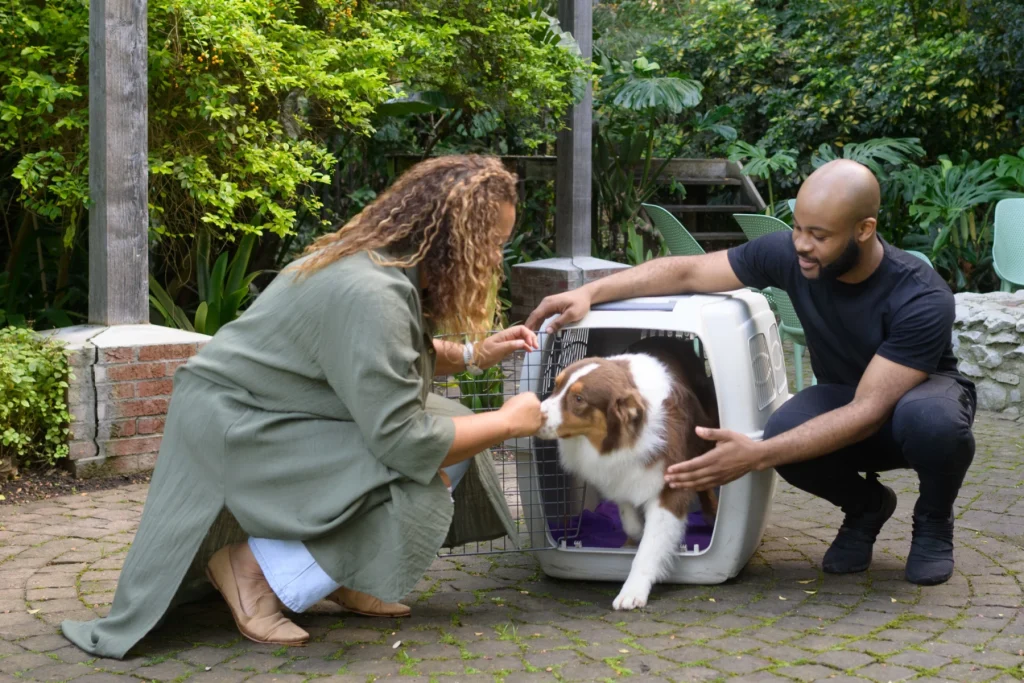
Preparing for a New Family Member: Understanding the Need for Family Involvement
When considering pet adoption, the significance of family preparation cannot be overstated. It goes beyond just asking, “Are we ready for a pet?” Families need to engage in a holistic assessment of their dynamics, responsibilities, and the lifestyle adjustments that will be necessary. This preparatory phase sets the stage not only for the well-being of the pet but also for the overall harmony within the family unit.
One of the first things to consider is open communication. Families must have honest discussions about their capabilities and limitations regarding pet ownership. Each person’s feelings towards animals and their readiness to contribute to the pet’s care should be considered. Engaging children in dialogues about pet responsibilities can help them feel included and responsible from the outset, providing them with a clear understanding of what adopting a pet entails.
Benefits of Family Preparation for Pet Adoption
Preparing as a family can yield numerous benefits that enhance the pet adoption experience:
- Shared Responsibility: When several family members understand their roles, it fosters a sense of teamwork. Assigning tasks such as feeding schedule, bathroom breaks, and playtime duties allows everyone to contribute, preventing the burden from falling solely on one person.
- Conflict Reduction: By establishing clear expectations before the pet arrives, potential conflicts over care responsibilities can be mitigated. Families can manage disagreements proactively by discussing responsibilities ahead of time, which promotes a smoother transition for everyone.
- Education on Animal Care: Preparation often involves educating the family about the specific needs and behaviors of the pet they plan to adopt. This knowledge equips family members with the tools to effectively care for their new furry friend, leading to a more joyful experience for both the pet and the family.
Moreover, understanding the species-specific requirements greatly enhances a family’s adaptability. For instance, did you know that dogs require social interaction and that some breeds can develop separation anxiety? Familiarizing the family with common behavioral traits and training needs will not only aid in smoother integration but also enrich the bond between the pet and family members.
Furthermore, planning for a pet’s introduction to existing family routines is essential. Rather than viewing this as a disruptive change, preparation allows families to welcome a pet seamlessly into their lives. Families can revise their daily schedules and find quality time to spend with their new member, making necessary adjustments that reflect a shared commitment to the pet’s well-being.
Ultimately, being genuinely prepared as a family lays the groundwork for a successful pet adoption journey. Through collective engagement and understanding of roles, your family can provide a loving environment that fosters growth, companionship, and happiness for everyone involved. Embracing this process not only means preparing for a pet but also reinforcing family bonds that can last a lifetime.
| Advantage | Description |
|---|---|
| Improved Family Dynamics | Preparation fosters discussions, aligning family goals and values regarding pet ownership. |
| Enhanced Responsibility | Engaging in pet care responsibilities builds accountability and leadership among family members. |
When considering pet adoption, family preparation is not merely beneficial; it is essential. Engaging the family in discussions about adopting a pet enhances family dynamics. By collectively aligning on pets’ needs and values, family members can better understand the emotional and physical commitments involved. As you navigate through this journey, it creates a unified approach to pet care and ensures that everyone is supportive of integrating a new member into the household. Additionally, adopting a pet cultivates a sense of responsibility among family members. Involving children in the daily care routine, such as feeding, walking, or grooming, instills a sense of accountability and helps them develop essential life skills. This shared experience together could greatly strengthen family bonds, establishing an environment where the new pet feels welcomed and loved. Ultimately, proactive family preparation plays a crucial role in the successful transition of a pet into a new home, enabling a smoother adoption process while enriching the family unit overall.
DISCOVER MORE: Click here to unlock innovative training techniques!
Creating a Nurturing Environment: The Psychological Impact of Adoption Preparation
As families embark on the journey of pet adoption, creating a nurturing environment is imperative. This preparation not only involves logistical aspects but also addresses the psychological implications associated with bringing a new pet into the home. Understanding the emotional undercurrents at play can make a marked difference in the adoption experience for both the family and the pet.
One vital component of this preparation is recognizing the concept of emotional readiness. For many families, adopting a pet can evoke feelings of excitement, anxiety, or even guilt, especially in children. Engaging in activities or discussions that allow families to express their emotions can help manage these sentiments. For instance, hosting family meetings focused on the future pet can serve as a platform for everyone to share their thoughts and feelings, paving the way for open dialogue and emotional support.
Building Empathy and Responsibility
Family preparation also plays a crucial role in instilling empathy and responsibility among family members. When discussing the realities of pet ownership, families should emphasize the emotional responsibilities that come with caring for another living being. This can include understanding a pet’s emotions, recognizing signs of distress, and responding appropriately. Such discussions can foster human-animal bonds that enhance the quality of life for pets while nurturing familial relationships.
Research indicates that children who actively participate in caring for pets often develop greater levels of empathy and responsibility. For example, a study published in the journal Anthrozoös found that children who engage in caring for animals demonstrate improved social skills and emotional intelligence. This awareness highlights the benefits of including children in the adoption preparation process, as it transforms them into active participants rather than passive observers.
Practical Considerations: Budgeting and Accessibility
Another crucial aspect of family preparation involves addressing the practical considerations that come with pet ownership. Pet adoption isn’t just about providing love; it also requires a financial commitment. Families must discuss the costs associated with pet care, including food, grooming, veterinary visits, and unexpected emergencies. A clear understanding of this financial landscape is essential to prevent future stress and resentment.
Moreover, families should evaluate their living situation to determine the pet’s compatibility with their lifestyle. If space is limited in an apartment, it may not be suitable for a large breed dog that requires ample exercise. Surveys by the American Society for the Prevention of Cruelty to Animals (ASPCA) have shown that animals adopted by families that have clearly considered these factors tend to fare better in their new environments. By conducting thorough evaluations and addressing logistical concerns, families can ensure that their future pet will thrive within their home.
Embracing Diversity in Pet Selection
Family preparation also entails embracing diversity in pet selection. Families can explore different types of pets—from dogs and cats to smaller animals like hamsters or rabbits—while evaluating the characteristics and needs of each species. This aspect of preparation allows families to align the choice of pet with their lifestyle, ensuring that they adopt an animal that perfectly fits their emotional and logistical needs. Involving every family member in this decision can spark conversations about preferences and concerns, ultimately leading to a harmonious integration.
By focusing on emotional readiness, responsibility, practical considerations, and diversity, families can enrich their preparation process for pet adoption. Such diligence in understanding the profundities surrounding pet ownership can foster a deeper connection between the family and the pet, nurturing a lifetime of love, companionship, and joy.
DISCOVER MORE: Click here for insights on natural vs. industrial pet food
Conclusion: The Path to a Successful Pet Adoption
In conclusion, the journey of pet adoption is a profound experience that requires thoughtful family preparation. Understanding the emotional, practical, and psychological aspects of welcoming a new furry family member is essential to ensure a smooth transition for both the pet and the household. Families that prioritize emotional readiness and effective communication can create a supportive environment, allowing each member to express their feelings and address potential anxieties associated with pet ownership.
Moreover, fostering empathy and responsibility within the family not only enhances the bond between pets and their humans but also promotes essential life skills in children. As research indicates, involvement in pet care cultivates a sense of duty and nurtures emotional intelligence. This enriching experience lays the groundwork for strong family relationships and a deeper understanding of caring for another living being.
Additionally, addressing practical considerations is crucial in preventing future challenges. Budgets, living spaces, and the nature of the pet chosen are all interconnected factors that ultimately influence the success of the adoption experience. By engaging in open discussions and collaborative decision-making, families can select a pet that enhances their lifestyle and enriches their home.
As you embark on this rewarding journey, remember that the heart of pet adoption lies not just in the act of bringing an animal home but in nurturing a lasting relationship built on love, understanding, and commitment. A well-prepared family is the cornerstone to ensuring that both pets and their humans can embark on a shared journey filled with joy and companionship.