
The Importance of Bathing and Hygiene for Pets’ Skin Health
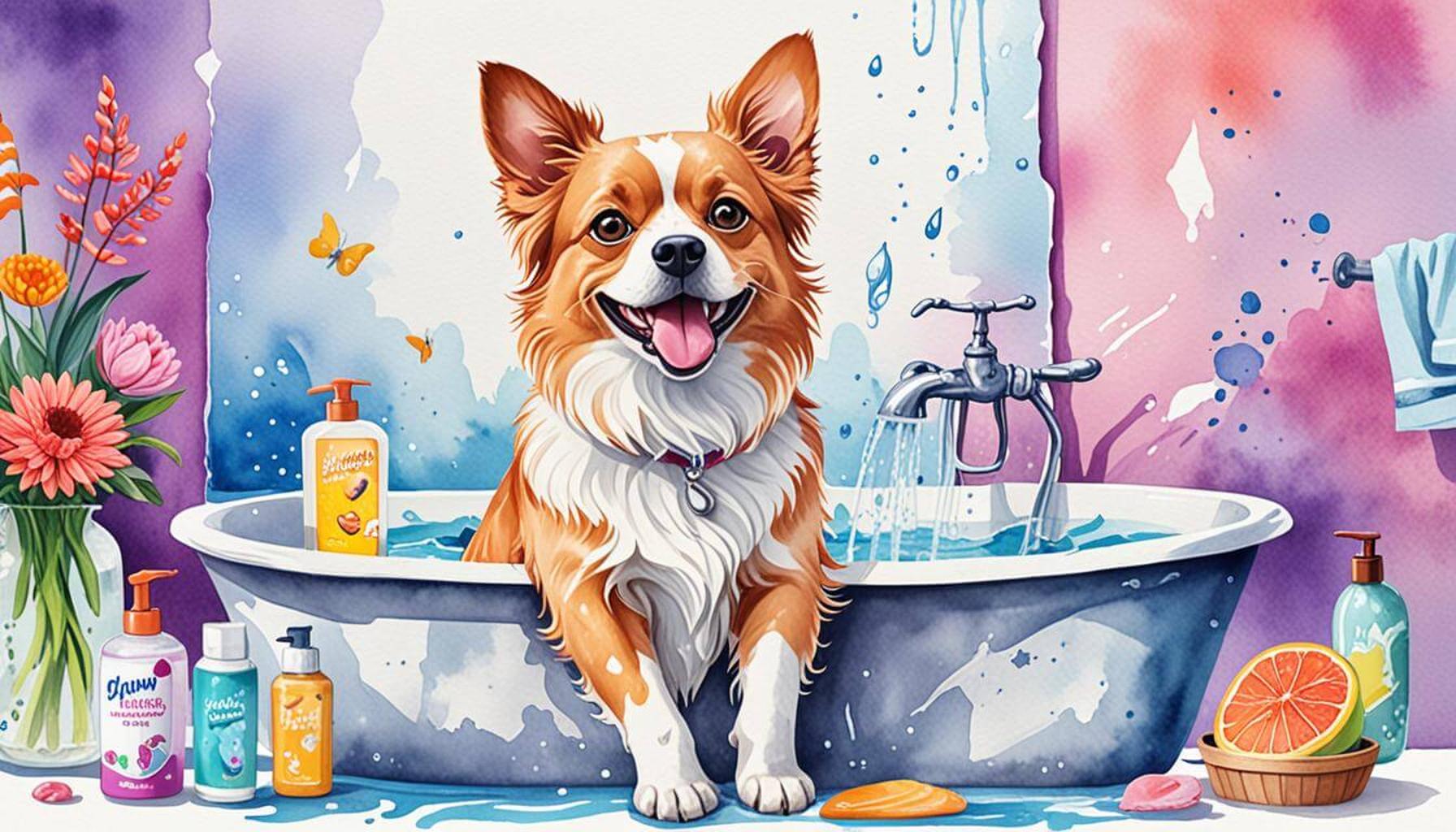
Importance of Bathing for Your Pet’s Well-Being
Pet grooming goes beyond mere appearance; it is essential for skin health. Regular bathing and maintaining hygiene significantly impact your pet’s well-being, offering not only aesthetic benefits but also crucial health advantages. For instance, a golden retriever with a shiny and healthy coat is not just visually appealing; it also indicates proper grooming and hygiene practices that contribute to overall health.
When you prioritize your pet’s hygiene, you tackle a range of potential health concerns. Neglecting grooming can lead to various complications which can affect your pet’s quality of life. Common issues that can arise from inadequate grooming include:
- Skin infections caused by bacteria or fungi, which can spread quickly and lead to serious health complications if left untreated.
- Allergies due to accumulated dirt, pollen, and dander can cause discomfort, itching, and even result in more severe reactions in sensitive pets.
- Fleas and ticks, notorious for infesting pets, thrive in unclean conditions and can lead to severe irritations and diseases such as Lyme disease.
Moreover, proper bathing not only combats these issues but also enhances your pet’s coat condition. It rejuvenates the skin and fur, leaving it:
- Moisturized and less prone to dryness, which is particularly important for breeds like the Afghan hound that require extra care for their long hair.
- Shiny and healthy-looking, indicating a balanced diet and care regimen, essential for breeds such as the Beagle known for their beautiful coats.
- Free from odor and environmental irritants, ensuring that both your pet and home remain fresh and pleasant, especially for indoor pets.
Choosing the right products when bathing your pet is crucial, as many commercial shampoos may contain harsh chemicals that can irritate their skin. Always look for products tailored to your pet’s unique skin type; for example, hypoallergenic shampoos are ideal for sensitive breeds like the Shih Tzu. Understanding your pet’s special needs will lead to a customized hygiene routine, one that promotes skin health and overall happiness.
As you consider your pet’s grooming needs, remember that regular hygiene practices are vital for keeping their skin healthy and vibrant. Consistent bathing schedules, paired with a nutritious diet and regular veterinary check-ups, form a comprehensive care approach that benefits your furry friends immensely. Stay tuned as we explore how to implement effective bathing routines and understand the signs of skin issues in pets, ensuring that your beloved companions always look and feel their best.
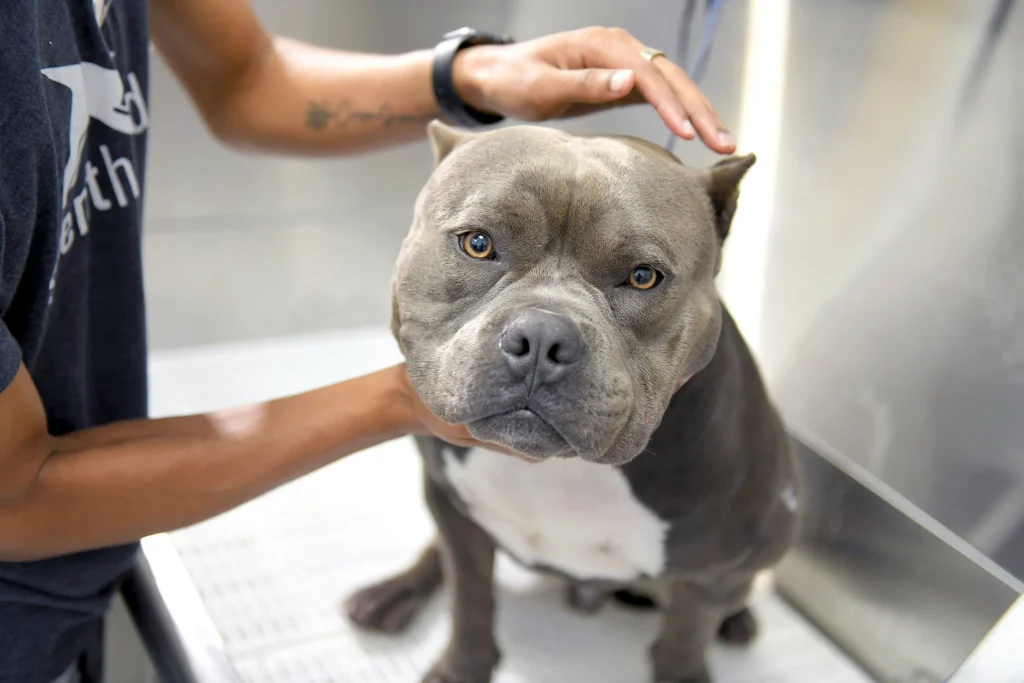
DISCOVER MORE: Click here to learn about effective positive reinforcement techniques
The Key Benefits of Regular Bathing
Bathing your pet is not merely a luxury or a routine chore; it is a vital component of promoting skin health and overall well-being. The skin is your pet’s largest organ and serves as a protective barrier against environmental factors, allergens, and pathogens. Therefore, keeping it clean and well-maintained is essential for preventing various skin-related issues that can affect their comfort and happiness.
One of the paramount reasons to establish a consistent bathing routine is to mitigate the risk of skin infections. Pets are vulnerable to bacteria, fungi, and parasites, especially if they are exposed to unsanitary environments. Regular baths help remove dirt and debris, reducing the likelihood of these harmful organisms taking residence on your pet’s skin. A study published in the Journal of Veterinary Dermatology highlights that regular bathing can decrease the incidence of dermatological conditions prevalent in dogs and cats alike, showcasing the direct correlation between hygiene and skin health.
In addition to combating infections, regular bathing plays a critical role in managing allergies. Pets often suffer from allergies triggered by dust mites, pollen, and other environmental allergens that cling to their coats. By bathing your pet regularly, you eliminate these irritants from their fur, leading to a decrease in allergic reactions and overall discomfort. According to the American College of Veterinary Dermatology, bathing with the right shampoo—especially those designed to relieve allergic reactions—can significantly improve skin health and provide relief for allergy-prone animals.
Perhaps one of the less-discussed aspects of pet hygiene is the risk of external parasites like fleas and ticks. These pests thrive in unclean or improperly groomed conditions, increasing the risk of infestations. A simple bathing routine, especially ahead of warm seasons, can deter these unwanted guests. Furthermore, baths act as a preliminary defense that allows pet owners to identify flea-related issues early on, minimizing the potential for more severe infestations within the home.
Transitioning to a Bathing Routine
Before starting a bathing regimen, it’s important to choose the correct products that align with your pet’s specific needs. Not all shampoos are created equal; many commercial options are laden with harsh chemicals that may do more harm than good. For best results, opt for pet-friendly shampoos that are free from sulfates and parabens. Brands that focus on natural ingredients are often recommended for pets with sensitive skin, such as the popular oatmeal-based shampoos, which soothe itching and moisturize the skin.
Establishing a bathing routine requires consistency but also attention to your pet’s comfort. Depending on the breed and lifestyle of your pet, a general guideline suggests bathing dogs every 4-6 weeks, while cats may need less frequent baths unless they have specific grooming challenges. Regular grooming in between baths, such as brushing, can further enhance your pet’s coat quality and overall hygiene, complementing the benefits of bathing.
In the subsequent sections, we will delve deeper into specialized bathing techniques, how to recognize early signs of skin issues in pets, and the pivotal role of nutrition in maintaining skin health. With the right knowledge and commitment, you can ensure that your furry companions remain comfortable and thriving in their skin.
| Advantage | Description |
|---|---|
| Skin Health Improvement | Regular bathing helps in removing dirt, oils, and allergens, contributing to healthier skin and a shinier coat. |
| Preventing Skin Infections | Maintaining good hygiene decreases the risk of bacterial and fungal infections, which can be harmful to pets. |
| Odor Control | Bathing reduces pet odor significantly, making your furry friend more pleasant to be around. |
| Allergy Relief | Regular baths can help wash away allergens such as pollen and dust, providing relief for pets with allergies. |
| Bonding Time | Bathing is an excellent opportunity for owners to bond with their pets, enhancing trust and affection. |
Bathing and maintaining hygiene for pets is essential not only for their physical well-being but also for emotional connection. As pet owners, committing regular time to care for their hygiene can lead to countless benefits, ensuring that beloved companions remain healthy and happy. Prioritizing bathing routines can be a fun and rewarding experience, deeply enhancing the life quality of pets while fostering a loving relationship.
LEARN MORE: Click here for essential insights
Understanding Your Pet’s Skin Health Needs
While the act of bathing itself is exceedingly important for maintaining your pet’s skin health, understanding the unique needs of your pet and their skin type can further enhance the effectiveness of this routine. Various breeds and species exhibit different skin characteristics, and being attuned to these distinctions allows you to tailor your approach accordingly.
For example, dogs with long hair such as Afghan Hounds or Shih Tzus tend to trap more dirt and debris due to their coats’ length and density. Their bathing intervals may need to be more frequent compared to short-haired breeds like Beagles or Boxers, whose coat types allow for easier maintenance. Moreover, certain breeds are predisposed to specific skin conditions; English Bulldogs, for instance, often struggle with skin folds that can harbor bacteria and necessitate specialized cleaning routines. A veterinarian or a professional groomer can provide insights tailored to your pet’s specific requirements.
Beyond breed, recognizing the signs of skin issues is critical for timely intervention. Look for symptoms such as changes in your pet’s coat texture, excessive scratching, or red, inflamed patches on the skin. These issues may indicate underlying conditions such as dermatitis or a yeast infection, each requiring different care approaches. In such cases, consulting your veterinarian is essential, who may recommend medicated shampoos for deeper cleansing or anti-fungal treatments to restore balance and health to your pet’s skin.
The Role of Nutrition in Skin Health
Interestingly, bathing is just one aspect of the holistic approach to maintaining skin health in pets. Nutrition plays an equally pivotal role. Just like humans, pets benefit from a balanced diet rich in essential fatty acids, vitamins, and minerals that support skin integrity and coat quality. Foods containing omega-3 and omega-6 fatty acids, for instance, can significantly enhance skin hydration and elasticity, reducing instances of dryness and irritation. Pet owners should consult with their veterinarian about dietary options or supplements that can bolster skin health.
Additionally, hydration cannot be overlooked. Pets must have access to fresh, clean water at all times, as dehydration can lead to dry skin and a dull coat. Incorporating specific hydration-rich foods, like wet pet food or adding water or broth to dry kibble, can also improve moisture levels in your pet’s skin.
Pitfalls of Over-Bathing
However, it’s crucial to note the potential drawbacks of over-bathing. Frequent bathing can strip essential oils from your pet’s skin, leading to over-dryness and irritation. This is especially true if you’re using the wrong products; even the most well-intentioned pet owner can unknowingly exacerbate skin issues by over-cleansing. A balanced approach is key: the goal is to maintain cleanliness and hygiene without compromising your pet’s natural skin barrier. Observing how your pet responds to various bathing frequencies will guide you in finding the sweet spot that works for them.
Moreover, integrating short, stress-free bathing sessions can help your pet associate this experience with positivity, ultimately making the process easier for both the owner and the pet. Using treats and praise during and after bathing can foster a cooperative spirit, setting the stage for lifelong healthy hygiene practices.
DISCOVER MORE: Click here to learn how to choose the perfect food for your pet’s health
Conclusion: Elevating Your Pet’s Skin Health through Hygiene
Maintaining your pet’s skin health through proper bathing and hygiene practices cannot be overstated. As we have explored, the importance of bathing extends beyond simple cleanliness; it is a key element in ensuring your pet’s overall health and well-being. By recognizing your pet’s specific skin needs based on their breed and monitoring for signs of skin issues, you can tailor your grooming routine for maximum benefit.
Furthermore, understanding the integral role of nutrition solidifies the foundations of skin health. A balanced diet rich in essential fatty acids, combined with regular hydration, acts synergistically with a consistent bathing routine to promote healthy skin and a lustrous coat. Ultimately, investing in these preventive measures not only mitigates skin problems but also deepens the bond between you and your furry companion.
It’s essential to remain vigilant about the potential pitfalls of over-bathing, which can inadvertently damage your pet’s skin barrier. A measured, informed approach to bathing can enhance your pet’s skin health while creating a positive grooming experience. Keep in mind that consulting with a veterinarian or professional groomer can provide additional insights tailored to your pet, allowing you to navigate the nuances of their skincare needs successfully.
In conclusion, a commitment to hygiene and skin health for pets involves a multifaceted approach where bathing, nutrition, and understanding come together harmoniously. By prioritizing these aspects, you safeguard your pet’s skin health and enrich their overall quality of life. As responsible pet owners, let’s make industrious efforts in our pets’ care, paving the way for happier, healthier lives, one bath at a time.