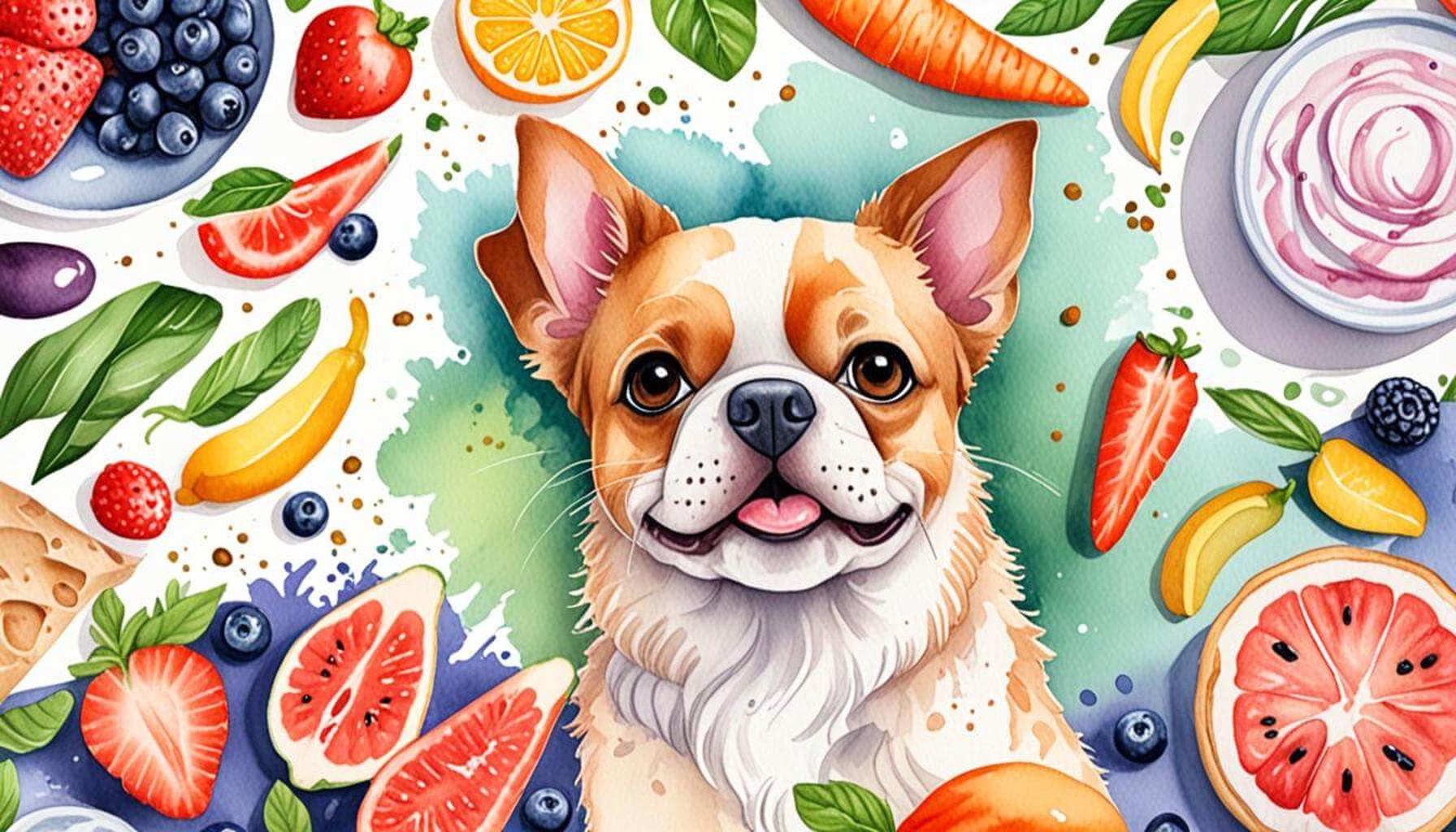
The Importance of Balanced Nutrition for Pet Health

The Importance of Balanced Nutrition for Pets
Providing our pets with a well-rounded diet is essential for promoting their health and longevity. Many pet owners may not realize that a balanced diet is not just about feeding pets what they enjoy; it’s about ensuring they receive all the necessary nutrients in appropriate proportions. From dogs to cats, each species has unique dietary needs that must be met to sustain their energy levels and overall wellness.
Key Components of Pet Nutrition
Understanding the fundamental components of a pet’s diet can help owners make informed food choices. Here are the essential nutrients and their contributions:
- Proteins: Proteins are the building blocks of life for pets. They are vital for growth, muscle maintenance, and energy. High-quality proteins like chicken, beef, and fish should be preferred sources. A deficiency can lead to stunted growth in puppies or kittens and overall lethargy.
- Fats: While often considered unhealthy in human diets, fats are crucial for pets. They provide a concentrated energy source and assist in the absorption of fat-soluble vitamins. Omega-3 and Omega-6 fatty acids, found in fish oil and flaxseed, are particularly beneficial for promoting a healthy coat and skin.
- Carbohydrates: Carbs often get a bad reputation, but for pets, they provide quick energy and play a significant role in digestive health. Whole grains, vegetables, and fruits can be excellent sources of carbs, offering fibers that help in maintaining a healthy gut.
- Vitamins and Minerals: These micronutrients are essential for various bodily functions, including enzyme processes and metabolic activities. Supplements may be necessary for pets with specific dietary restrictions. For instance, Vitamin E and Selenium support immune function, while calcium and phosphorus are critical for bone health.
The Ramifications of Poor Nutrition
The risks associated with inadequate or imbalanced nutrition are significant. Pets fed subpar diets may develop:
- Obesity and Related Diseases: Overfeeding or feeding high-calorie, low-nutrient foods can lead to obesity, which is linked to diabetes, joint issues, and heart diseases.
- Weak Immune System: A lack of essential nutrients can compromise a pet’s immune defense, making them more susceptible to infections and illnesses.
- Dental Issues: Certain diets can contribute to dental problems, including plaque buildup and gum disease, which are painful and can lead to further health complications.
To prevent these health issues, regular vet check-ups are essential. During these visits, veterinarians can not only assess the pet’s health but also their dietary needs based on age, size, and activity level. Pet owners should actively engage in understanding the nutritional value of the foods they purchase and consider customized diets that cater to specific health conditions if necessary.
Promoting Optimal Health Through Nutrition
A well-balanced diet can profoundly impact a pet’s mood, behavior, and longevity. Pets that receive adequate nutrition are often more energetic and exhibit fewer behavioral issues. By prioritizing balanced nutrition, pet owners contribute to their furry friends’ happiness and vitality. As you explore options for your pets, consider looking into various high-quality commercial foods and the potential benefits of preparing homemade meals under the guidance of a vet.

Understanding the intricate needs of our pets is not just beneficial; it is a responsible choice for any dedicated pet owner. Stay informed and ensure your beloved companions enjoy healthy and fulfilling lives through intentional nutrition.
LEARN MORE: Click here to discover effective techniques
Understanding Nutritional Balance in Pet Diets
In the quest for optimal pet health, balanced nutrition serves as the cornerstone of a thriving life. Just as humans rely on a variety of nutrients to maintain their well-being, so do our four-legged companions. However, the specific dietary requirements of pets can vary significantly between species, breeds, and life stages. As responsible pet owners, it is crucial to grasp these unique needs to provide the best possible care.
The Role of Essential Nutrients
A comprehensive understanding of the primary nutrients that compose a pet’s diet can empower owners to make wise food choices that align with their pet’s health requirements. Here’s a closer look at the essential nutrients and their importance:
- Proteins: Proteins are fundamental in building and repairing tissues. For pets, they offer not only strength but also energy. Foods rich in proteins, such as poultry, lamb, and certain legumes, are vital, especially for puppies and kittens who are experiencing rapid growth.
- Fats: Contrary to common misconceptions, dietary fats are necessary for pets and serve myriad functions. They help store energy and provide essential fatty acids which are critical for a glossy coat and healthy skin. Foods containing fish fat, oils, or flaxseeds contribute significantly to overall health.
- Carbohydrates: While not a strict requirement, carbohydrates play a supportive role in a pet’s diet. They deliver quick energy and include sources like grains and vegetables, which are also rich in fiber. A proper balance of carbohydrates aids in digestion and promotes a healthy gut.
- Vitamins and Minerals: These micronutrients, although needed in smaller amounts, are pivotal for various physiological functions. For example, Vitamin A is crucial for vision, and calcium is essential for strong bones. A deficiency in these can lead to debilitating health issues.
Identifying Nutritional Gaps
Recognizing the signs of nutritional imbalances in pets can prevent serious health complications. Pets suffering from nutrient deficiencies may exhibit a range of issues, including:
- Weight Management Issues: Overfeeding and high-calorie diets can lead to obesity, while underfeeding may result in malnutrition, both of which are detrimental to overall health.
- Behavioral Changes: Nutritional shortages can manifest in behavioral problems. Pets may become lethargic, irritable, or overly active when their diet lacks the necessary components.
- Increased Susceptibility to Illness: A well-balanced diet helps support the immune system; any gaps could leave pets vulnerable to infections and diseases.
To ensure your pet receives adequate nutrition, it is crucial to consult with a veterinarian. They can help assess your pet’s individual dietary needs and recommend adjustments to their diet as necessary. Owners should not hesitate to delve into the specifics of the food they provide and explore opportunities for customization based on their pet’s age, size, and health condition.
By fostering an understanding of what constitutes a nutritionally balanced meal, pet owners can make informed decisions that significantly enhance their pets’ overall health and happiness. The right dietary choices today pave the way for a healthier tomorrow.
| Nutrient Categories | Importance for Pets |
|---|---|
| Proteins | Essential for muscle growth, repair, and overall energy. High-quality proteins also aid in maintaining strong immune systems. |
| Vitamins and Minerals | Vital for metabolic processes and bone health. Deficiencies may lead to serious health issues; balance is key for optimal pet wellness. |
| Fats | Support energy supply and coat health, while aiding in nutrient absorption; Omega-3 and Omega-6 fatty acids are particularly beneficial for skin and joints. |
| Carbohydrates | Provide energy and promote digestive health; complex carbohydrates, such as those found in grains and vegetables, help maintain stable blood sugar levels. |
When considering your pet’s diet, incorporating these critical nutrient categories is essential for their overall health and well-being. Many pet owners overlook the significance of nutritional balance, resulting in potential health complications down the line. Transitioning to a diet rich in proteins, vitamins, and healthy fats not only enhances energy levels but also fosters a better quality of life for pets. By understanding the unique nutritional needs of each pet, owners can make informed choices that will promote longevity and vitality. This understanding leads to a delightful journey where pet owners witness their beloved companions thrive in health and happiness. Engaging with pet nutritionists or veterinarians can yield customized dietary plans, ensuring our furry friends receive everything they need to flourish.
DISCOVER MORE: Click here to learn innovative training techniques
The Impact of Lifestyle and Life Stage on Nutritional Needs
As pets transition through various stages of life, their nutritional requirements can shift dramatically. Puppies and kittens, for instance, require higher levels of protein and calories to support their rapid growth. Conversely, senior pets may necessitate diets lower in calories but richer in specific nutrients such as omega-3 fatty acids, which can aid in maintaining joint health and cognitive function. Understanding these evolving needs is integral to providing a balanced nutrition that fosters long-term health.
Active vs. Sedentary Lifestyles
The lifestyle of a pet also greatly influences its dietary needs. A working dog or an energetic breed like a Labrador Retriever will typically require a diet with higher caloric content to fuel their activity levels. In contrast, a more sedentary companion might thrive on a lower-calorie diet to prevent obesity. Pet owners should evaluate their pets’ daily activity levels and adjust their diets accordingly to ensure they receive the nutrients they need without excess.
Breed-Specific Considerations
Diverse breeds come with their unique predispositions and nutritional requirements. For example, large breed dogs are prone to orthopedic issues, so they benefit from diets enriched with specific vitamins such as glucosamine and chondroitin, which promote joint health. On the other hand, small breed dogs often have higher metabolic rates, necessitating food that is calorie-dense yet moderate in bulk. By selecting breed-appropriate diets, owners can tailor their pets’ nutrition to optimize health.
Identifying Quality Pet Food
Choosing high-quality pet food is paramount when it comes to meeting nutritional needs. The pet food industry has expanded vastly, but not all products are created equal. Pet owners are encouraged to read ingredient labels carefully. Look for foods where animal protein is listed as the first ingredient, and avoid products with excessive fillers like corn, soy, or artificial additives. Many brands also provide detailed nutritional breakdowns and life stage formulations, which can guide owners to make informed decisions tailored to their pets’ specific requirements.
The Benefits of Home-Cooked and Raw Diets
In recent years, many pet owners have turned to home-cooked meals or raw diets, believing they offer superior nutritional benefits. While these options can provide fresh ingredients and greater control over what pets consume, they also carry risks if not properly balanced. It is essential for pet owners considering these diets to work closely with a veterinarian or a pet nutritionist. They can help formulate recipes that meet all of a pet’s dietary needs, ensuring that they are getting the full spectrum of nutrients required for optimal health.
The Role of Supplements
For some pets, especially those with specific health issues or dietary limitations, supplements can play an important role in achieving balance. Supplements such as probiotics, omega fatty acids, or vitamins may enhance health and support recovery from illness or surgery. However, not all pets require supplementation, and excessive dosing can lead to toxicity. Therefore, it is crucial to consult with a veterinarian before adding any new supplements to a pet’s diet.
Staying informed about the necessary components of a balanced nutrition plan is vital for enhancing your pet’s well-being. By being aware of lifestyle, breed characteristics, and quality food sourcing, owners can better navigate the complex world of pet nutrition. Each adjustment made is a step toward ensuring a happier, healthier future for beloved pets.
DISCOVER MORE: Click here to learn about nutrition’s effects on your pets’ mental health
Conclusion: A Commitment to Pet Health Through Balanced Nutrition
In summary, the journey toward optimal pet health hinges on the cornerstone of balanced nutrition. As explored throughout this article, it is essential for pet owners to acknowledge how life stages, lifestyles, and even breed characteristics influence the dietary needs of their furry companions. By tailoring nutrition to these factors—whether through selecting high-quality pet food, incorporating home-cooked meals with professional guidance, or considering appropriate supplements—owners can significantly enhance their pets’ quality of life.
The task of ensuring proper nutrition is not merely about feeding; it is a profound commitment that requires ongoing evaluation and education. Pet owners are encouraged to engage with veterinarians and pet nutritionists to create a personalized diet plan that addresses their pet’s unique needs. This holistic approach aids in preventing health issues, promoting energy levels, and prolonging lifespans. Moreover, understanding the importance of ingredient quality can elevate pet health to unprecedented heights.
As you embark on this journey of wellness alongside your pet, remember that each meal is an opportunity to nurture their health. By fostering a robust nutritional strategy today, you pave the way for countless happy moments and cherished memories in the future. Prioritize balanced nutrition, and invest in a healthier, more vibrant life for your beloved pet.