
The effects of environmental pollution on pets’ respiratory health

The Importance of Monitoring Air Quality for Your Pets
The alarming increase in pollution levels in our cities poses various health risks, not just for humans but also for our beloved pets. As companions who share our living spaces and daily routines, pets are equally vulnerable to the detrimental effects of environmental pollution. This reality makes it imperative for pet owners to take note of how deteriorating air quality can impact their furry friends’ respiratory health.
Pets, particularly dogs and cats, have respiratory systems that can be significantly affected by pollutants such as:
- Wildfire smoke: The aftermath of wildfires can lead to an increase in the concentration of fine particulate matter in the air. This can exacerbate pre-existing health issues in pets, resulting in symptoms like coughing, shortness of breath, and chronic bronchitis, particularly in breeds predisposed to respiratory problems.
- Car emissions: Within urban areas, the constant release of harmful gases and particulate matter from vehicles can contribute to respiratory ailments for pets that spend time outdoors. For instance, dogs that frequently walk near busy roads may develop conditions similar to asthma, experiencing wheezing and lethargy after exertion.
- Pollen and molds: Seasonal allergens, including pollen and mold spores that proliferate in urban settings, can provoke allergy symptoms in pets. Dogs and cats may show signs of discomfort such as sneezing, itching, and watery eyes, all of which often mirror asthma-like symptoms.
Given these risks, it is crucial for pet owners across the United States to maintain awareness about their local air quality. This knowledge can lead to informed decisions regarding outdoor activities during high pollution days. For example, utilizing air quality index (AQI) resources can help determine safe times for walks and playtime outside.
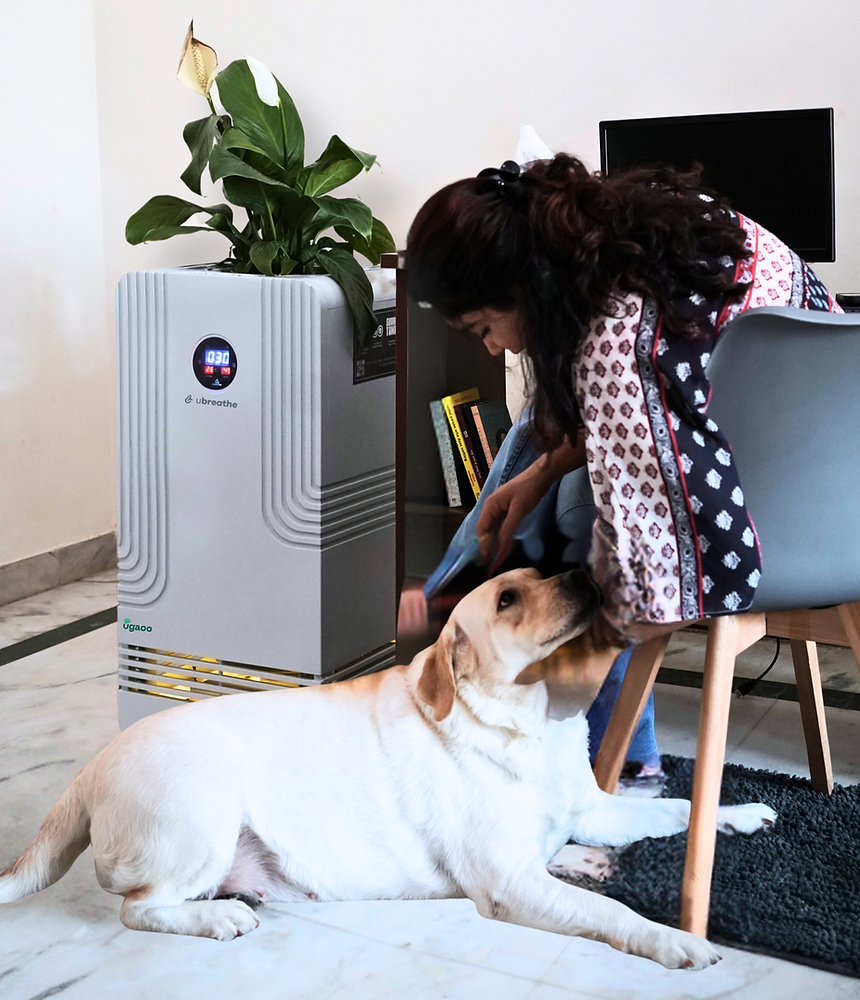
Furthermore, implementing preventative strategies can safeguard your pet’s health. Simple measures such as keeping windows closed during high pollen seasons, using air purifiers indoors, and scheduling regular veterinary check-ups can be immensely beneficial. Recognizing symptoms early can also lead to prompt treatment and prevent more severe health complications.
As we continue to explore the intricate connection between environmental pollution and pets’ respiratory health, it becomes apparent that taking a proactive stance can create a significant difference. By being vigilant and well-informed, pet owners can enhance the overall well-being of their companions, ensuring a healthier and happier life even in increasingly polluted environments.
DIVE DEEPER: Click here to discover more about the power of positive reinforcement
Understanding Pollutants and Their Impact on Pets
Environmental pollution encompasses a variety of harmful substances that can trigger serious health issues in our pets. As sensitive creatures, dogs and cats have a heightened vulnerability to the effects of pollutants, which can lead to long-term respiratory conditions. To better understand this troubling connection, it is essential to examine the primary pollutants that affect pets’ respiratory health.
One of the most concerning sources of air pollution is particulate matter (PM), which consists of tiny particles and droplets in the air that can penetrate deep into the lungs. This pollutant primarily originates from vehicle exhaust, industrial activities, and even household products like paint and cleaning agents. Research indicates that exposure to elevated levels of PM can lead to serious health complications for pets, including:
- Inflammation of the respiratory tract: This can manifest as chronic coughing, difficulty breathing, and overall respiratory distress.
- Allergic reactions: Pets exposed to high concentrations of PM may develop allergies, resulting in symptoms similar to asthma, such as wheezing and shortness of breath.
- Increased susceptibility to respiratory infections: Pollutants can weaken the immune system, making pets more prone to infections.
Another major contributor to environmental pollution is ozone, a gas that can irritate the airways and exacerbate pre-existing conditions in pets. In urban environments, ground-level ozone is formed through chemical reactions between volatile organic compounds (VOCs) and sunlight, especially on hot days. Dogs, particularly larger breeds with high activity levels, may experience adverse effects from ozone exposure, including:
- Increased respiratory resistance: This can lead to less effective breathing, making exercise challenging for pets.
- Chronic coughing and choking: Pets may struggle to clear their airways, leading to distressing coughing spells.
Moreover, it’s crucial to consider the effects of indoor air pollution. Homes filled with dust, mold, and secondhand smoke can greatly impact a pet’s health. Studies have shown that pets exposed to these indoor pollutants are at risk for developing respiratory diseases. For instance, pets may experience:
- Chronic bronchitis: Long-term exposure to irritants can cause lasting damage to the lungs.
- Heightened allergy symptoms: Dust mites and mold can provoke allergies and respiratory discomfort.
Awareness of these pollutants is integral to understanding how to best protect your furry companions. It is essential to be informed about the air quality in your area and take necessary precautions, especially during high pollution days. Moreover, implementing proper home ventilation strategies and using air purifiers can make a significant difference in minimizing indoor pollution levels.
In summary, the implications of environmental pollution on pets’ respiratory health are alarming. By acknowledging the risks associated with pollutants, pet owners can take proactive measures to promote a healthier environment for their companions. The subsequent sections of this article will delve deeper into how to recognize symptoms, prevent exposure, and manage the health of your pets in this increasingly polluted world.
| Category | Details |
|---|---|
| Air Quality Impact | Poor air quality can lead to chronic respiratory diseases in pets, similar to humans. |
| Allergenic Reactions | Exposure to environmental pollutants can heighten pet allergic reactions, resulting in respiratory distress. |
Environmental pollution poses a significant threat to our furry companions, particularly affecting their respiratory health. Pets, much like humans, can suffer from various chronic conditions due to pollutants prevalent in our environment. For instance, levels of ozone, particulate matter, and other toxic substances in the air can exacerbate pre-existing health issues such as asthma and bronchitis. Furthermore, as pets often spend a considerable amount of time outdoors, they are exposed to allergens and particles that can trigger severe respiratory issues. The increasing prevalence of allergies in pets can be directly correlated with environmental pollutants, affecting their overall well-being and quality of life. For concerned pet owners, awareness of these effects is crucial in maintaining the health of their beloved animals. Keeping indoor environments clean and minimizing exposure during high pollution times can make a significant difference in their respiratory health. As we delve deeper into this significant topic, understanding the intricate link between pollution and pet health becomes not just informative but essential for all pet owners.
LEARN MORE: Click here to discover the best food for your pet’s health
Identifying Symptoms and Long-Term Effects
Pet owners need to remain vigilant in recognizing the signs of respiratory distress in their furry friends, as early intervention is crucial in mitigating the long-term effects of environmental pollution. Awareness of symptoms can not only assist in thorough vet visits but also empower owners to make informed decisions regarding their pet’s environment and overall care.
Common symptoms of respiratory issues due to pollution include:
- Labored breathing: Pets may gasp for air or exhibit rapid, shallow breaths. This can be particularly evident in heavier breeds or older pets.
- Frequent coughing or wheezing: These choked noises can signal irritation in the lungs or airways.
- Loss of appetite: Pets with respiratory troubles often show decreased interest in food, further compromising their health.
- Behavioral changes: Increased lethargy, reluctance to exercise, or signs of anxiety can indicate underlying respiratory problems.
In addition to identifying symptoms, pet owners should be aware of the long-term effects that prolonged exposure to pollutants can have on their pets’ health. Emerging studies reveal a concerning correlation between environmental pollution and chronic respiratory diseases in pets, paralleling trends observed in human populations. Some significant long-term impacts include:
- Development of chronic obstructive pulmonary disease (COPD): Similar to humans, pets can develop this debilitating condition, leading to severe breathing difficulties and diminished quality of life.
- Increased risk of lung cancer: Prolonged exposure to hazardous pollutants has been linked to a greater occurrence of cancer in pets, especially in breeds genetically predisposed to respiratory issues.
- Accelerated aging of lung tissue: Pets exposed to high pollution levels may experience a decline in lung function earlier than their counterparts in cleaner environments.
Various factors, including a pet’s breed, age, and overall health, play a critical role in how environmental pollution affects their respiratory systems. Younger animals and those with pre-existing conditions may face a greater risk of developing significant health complications. Breeds commonly affected by respiratory problems, such as brachycephalic dogs (those with flat faces, like French Bulldogs and Pugs), are particularly susceptible to adverse effects from environmental toxins.
To avoid the at-risk scenarios, pet owners should maintain a proactive approach concerning their pets’ environment. This includes staying updated on local air quality reports, particularly during hot summer months when ozone levels rise, and ensuring their pets are kept indoors on high pollution days. Furthermore, regular veterinary check-ups are vital for monitoring respiratory health and addressing any emerging issues swiftly.
In understanding the profound effects of environmental pollution on pets’ respiratory health, we equip ourselves with the knowledge necessary to safeguard our beloved companions. While it can be overwhelming, arming ourselves with information is the first step in combating these environmental threats. The further exploration of preventive measures, such as air quality management and health monitoring, is essential in our ongoing commitment to ensuring the well-being of our pets amid rising pollution levels.
DISCOVER MORE: Click here to learn about positive reinforcement in dog training
Conclusion
The complexities surrounding environmental pollution and its impact on pets’ respiratory health cannot be overstated. As our furry companions are increasingly exposed to harmful pollutants, the consequences may linger in the form of chronic respiratory conditions, reduced quality of life, and even premature mortality. Pet owners must recognize that their beloved animals are not immune to the adverse effects of a polluted environment. By taking a proactive approach—monitoring air quality, minimizing outdoor exposure during peak pollution times, and ensuring regular veterinary check-ups—they can significantly reduce the risks posed to their pets.
Moreover, it’s imperative to advocate for cleaner environments both for our pets and ourselves. Engaging in community initiatives aimed at reducing pollution—such as planting trees, supporting emission regulations, and utilizing public transportation—can contribute to healthier air quality. As the growing body of research links pollution to respiratory diseases in pets, understanding these risks equips owners with the knowledge needed to make informed choices.
In summary, navigating the challenges posed by environmental pollution is a shared responsibility that extends beyond pet ownership. By remaining vigilant and prioritizing preventive measures, we can protect the respiratory health of our furry friends and ensure that they enjoy long, happy lives in a cleaner environment. Together, we hold the power to advocate for change, knowledge, and improvement, safeguarding not just our pets, but the entire ecosystem.