Socialization Techniques for Puppies: Preparing Your Pet for a Healthy Life

The Importance of Early Experiences for Your Puppy
Introducing your puppy to the world around them is an essential part of their development. Socialization techniques not only improve your pet’s behavior but also contribute to their overall happiness and health. A well-socialized puppy is likely to grow into a confident and well-adjusted adult dog, capable of navigating the complexities of human environments with ease.
During this critical phase, typically defined as the first three to four months of life, the experiences your puppy has can shape their reactions later in life. For instance, a puppy that is exposed to a variety of sights, sounds, and smells will be more adaptable. Here are some key areas to focus on in your puppy’s routine:
- Exposure to Different Environments: Taking your puppy to a variety of locations is vital. Parks, busy streets with bustling crowds, and pet-friendly stores expose your puppy to different surfaces, sounds, and people. For example, allow your puppy to walk on grass, sand, and concrete to prepare them for various terrains they might encounter daily.
- Interactions with Other Dogs: Arrange playdates with other vaccinated dogs. These interactions are crucial as they teach your puppy about canine communication, play behavior, and the importance of personal space. Consider enrolling in a puppy kindergarten class, where your puppy can meet peers and learn vital social skills in a controlled environment.
- Meeting New People: Encouraging encounters with different individuals is equally important. Introduce your puppy to friendly strangers, including children and seniors. Each positive experience helps build their confidence. Teach them to greet calmly rather than jumping or barking, reinforcing well-mannered behavior.
Each interaction helps your puppy learn appropriate responses to various stimuli. The goal is to create a positive and enriching environment during their early weeks. A well-socialized puppy is less likely to develop behavioral issues such as fear or aggression, making them more enjoyable companions. It’s also essential to monitor your puppy’s body language during socialization to ensure they are comfortable and enjoying the experience.
In this article, we will explore various socialization techniques designed to prepare your pet for a healthy life. From managing exposure to different experiences to understanding the importance of consistency, discover strategies you can implement today to help your puppy thrive in their future relationships and experiences. Remember, the early months are crucial; investing time in socializing your puppy will yield long-term benefits for both you and your furry friend.
LEARN MORE: Click here for effective training techniques
Key Socialization Techniques to Implement
Achieving a well-adjusted puppy encompasses more than simply providing food and shelter; it requires a strategic approach to socialization. To ensure that your puppy grows into a well-rounded adult dog, consider integrating the following socialization techniques into their routine:
- Start with Positive Reinforcement: Early socialization experiences should be enjoyable and rewarding. Use treats, praise, and affection to encourage your puppy to engage with new environments, people, and animals. This method not only fosters curiosity but also creates positive associations with new experiences, reinforcing their eagerness to explore.
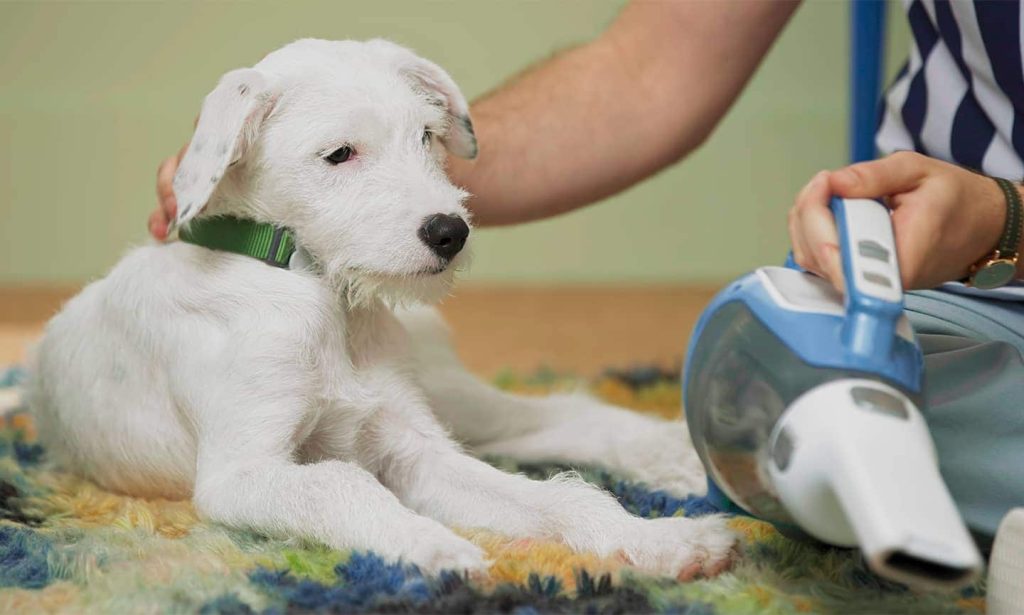
- Introduce a Variety of Sights and Sounds: Puppies can be easily startled by loud noises or unfamiliar sights, leading to fear-based behaviors. Gradually expose your puppy to sounds such as vacuum cleaners, sirens, and fireworks in a controlled setting. You might play recordings of these noises at a low volume while rewarding your puppy for staying calm. This gradual desensitization helps them cope with these stimuli in real life.
- Utilize Puppy Socialization Classes: Enrolling your puppy in a well-structured socialization class can be incredibly beneficial. These classes not only provide opportunities for interaction with other puppies but also offer guidance from experienced trainers. Puppy kindergarten settings teach essential skills and etiquette, setting the foundation for lifelong learning.
- Create a Consistent Routine: Like humans, puppies thrive on routine. Establish a regular schedule for socialization activities, ensuring your puppy is exposed to different experiences on a consistent basis. This consistency aids in making new experiences feel predictable and safe for your furry friend.
- Engage in Controlled Playdates: Inviting other well-mannered and vaccinated dogs for supervised playdates allows your puppy to learn proper social behavior. Watch for signs of stress or discomfort in your puppy, and be ready to step in if the play becomes too rough. A favorable play experience can be a cornerstone for developing your puppy’s social skills.
Each of these techniques serves to build a positive foundation for your puppy’s life. As a result, they will develop important social skills that will aid in their interactions with people and other dogs. Remember, the aim is to create a balanced and stimulating environment that nurtures your puppy’s growth while minimizing fear or anxiety. Engaging with your puppy during these formative experiences is not just about socialization; it is also a chance for you to bond and create lasting memories together.
As you embark on this journey of socialization, keep in mind that every social interaction contributes significantly to your puppy’s development. In the next section, we will delve deeper into the importance of continued socialization beyond the early months and how you can maintain positive experiences as your puppy grows.
| Socialization Techniques | Benefits |
|---|---|
| Exposure to Various Environments | Helps reduce anxiety in new situations. |
| Positive Reinforcement | Encourages desired behavior and strengthens the bond between owner and pet. |
| Interactions with Other Dogs | Facilitates healthy play behavior and encourages social skills. |
| Meeting New People | Promotes gentle temperament and reduces aggression. |
Effective socialization techniques are crucial for preparing your puppy for a lifetime of health and happiness. Engaging them in activities that involve exposure to various environments can significantly reduce anxiety when they encounter new situations. Training methods such as positive reinforcement not only instill desired behaviors but also foster a stronger bond between pet and owner. Moreover, facilitating interactions with other dogs allows puppies to develop essential play behavior and social skills that are vital throughout their lives. Equally important is the opportunity for your puppy to meet new people, which promotes a gentle temperament and minimizes aggression towards unfamiliar individuals. Each of these techniques is integral in sculpting a well-rounded, sociable pet, enhancing both your puppy’s life quality and your companionship together.
DISCOVER MORE: Click here to learn about the importance of pet socialization
The Ongoing Journey of Socialization
While the initial weeks and months of socialization lay a significant groundwork, it’s crucial to understand that this journey does not end after early exposure. As your puppy matures, maintaining their interest in the world around them becomes essential for their development into a well-adjusted adult dog. Here are some effective strategies to ensure continuous socialization:
- Expose Your Puppy to Diverse Environments: Continue introducing your puppy to various locations beyond your immediate neighborhood. Parks, pet-friendly shops, and even outdoor cafes can serve as valuable socialization settings. Each new environment provides different sights, smells, and sounds that contribute to your puppy’s adaptability. As they encounter people of various ages and other pets, they will learn to engage positively with diverse social situations.
- Incorporate Training into Outings: Use outings as opportunities for learning. Practicing basic commands amidst distractions can strengthen your puppy’s focus while fostering a sense of accomplishment. Whether it’s managing their behavior at a busy dog park or learning to greet people politely, these experiences teach your pet how to navigate real-world situations gracefully.
- Be Mindful of Fearful Situations: It’s essential to keep an eye on your puppy’s comfort level during socialization. If you notice signs of fear or stress, such as cowering or excessive barking, it may be necessary to tone down the stimulation or retreat to a quieter space. Addressing your puppy’s fears gently and providing comfort can help in overcoming these challenges and establishing a sense of security.
- Encourage Interactions with Different Age Groups: Just like adults, puppies benefit from meeting other dogs and humans of varying ages. Intentionally socializing your pet with puppies, adult dogs, and seniors can help them learn appropriate play styles and social cues at every stage of life. This exposure nurtures empathy and understanding, which will serve them well in various situations.
- Leverage Local Resources: In addition to puppy classes, many communities offer events such as farmer’s markets and dog-friendly festivals, where dogs are welcome. Utilizing local resources helps to reinforce a positive association with crowded environments and diverse social activities. Beyond structured classes, these casual outings represent fantastic opportunities to learn more about your puppy’s preferences and personality.
Ultimately, socialization requires consistency and patience. Puppies are naturally curious creatures, and regularly engaging them in diverse experiences will not only bolster their confidence but also strengthen the bond between the two of you. Remember that all dogs are individuals; some may adapt quickly, while others might take a while to adjust. Tailoring your approach based on your puppy’s response will lead to a more fulfilling journey both for you and your furry friend.
As you focus on sustaining your puppy’s social development, consider the significance of positive reinforcement in all interactions. Each encounter contributes to their social toolkit and helps to shape their behavior into a balanced, healthy adult companion. In the next section, we will explore the signs of successful socialization and how to recognize when your efforts are making a meaningful impact on your puppy’s life.
DON’T MISS: Click here to learn about the best options for your pet’s health
Conclusion
In conclusion, the journey of socializing your puppy is a rich and rewarding experience that can set the stage for a flourishing life as a beloved companion. By integrating varied environments, ongoing training, and mindful approaches to social interactions, you equip your puppy with vital skills that will serve them throughout their lives. Positive socialization techniques not only foster a confident and adaptable dog but also strengthen the bond you share, creating a harmonious home filled with happiness and understanding.
As your puppy matures, the importance of consistent exposure to diverse experiences cannot be overstated. Each interaction, whether it’s meeting new friends at a dog park or exploring the local farmer’s market, contributes to their overall temperament and behavior. It is also essential to recognize that every puppy is unique; understanding their individual responses during socialization will enable you to tailor your approach accordingly. Embrace this variability as a pathway to discovering your puppy’s preferences and personality.
Furthermore, the value of positive reinforcement throughout this process is paramount. Rewarding desirable behavior with praise or treats encourages your puppy to build a repertoire of good habits while fostering a positive outlook on social interactions. Keep in mind that socialization is not merely a checklist but an ongoing commitment, essential for your puppy’s mental and emotional well-being.
In essence, investing time in socialization techniques today is an investment towards a happy and healthy life for your puppy, ensuring they develop into a well-adjusted and joyful adult dog. As you navigate these early stages, remember: every pawprint on this journey brings you closer to a lifetime of cherished memories with your furry friend.