Pet Health Tips Essential Preventive Care for Your Pets Well-being

Introduction
Understanding the importance of preventive care is crucial for pet owners dedicated to the well-being of their furry companions. Regular check-ups and proactive measures not only preserve your pet’s health but can also extend their lifespan significantly. By implementing effective preventive strategies, you can ensure a happier, healthier life for your pet.
Prioritizing preventive care involves several key components, including:
- Regular Veterinary Visits – Essential for vaccinations and health monitoring.
- Proper Nutrition – A balanced diet tailored to your pet’s needs.
- Exercise – Vital for maintaining physical health and mental stimulation.
- Grooming – Reduces the risk of skin issues and parasites.
- Dental Care – Often overlooked, yet critical to overall health.
As we delve deeper into this topic, you will uncover the Top 5 essential tips that every pet owner should know. Each tip will not only enhance your understanding of pet care but also empower you to take action, ensuring your pet thrives in a healthy environment.
Top 5 Preventive Care Routines: How to Keep Your Pet’s Health in Check
Owning a pet is a joyful, life-enhancing experience that comes with the responsibility of ensuring their well-being. It’s not enough to simply provide them with food and a roof over their heads; maintaining their health requires a proactive approach through preventive care. This article explores the top five preventive care routines that every pet owner should implement to ensure their furry companions live long and healthy lives. Let’s explore these essential preventive measures and discover how they can make a significant difference in the overall well-being of your pets.
5. Regular Grooming
Often underestimated, grooming is crucial for maintaining your pet’s health, significantly impacting their comfort and happiness. Grooming goes beyond aesthetic benefits by preventing skin infections and ensuring a lustrous and healthy coat. The grooming needs can vary significantly based on your pet’s breed and type, but common tasks include brushing, bathing, nail clipping, and ear cleaning.

Brushing
Regular brushing is critical for removing dirt and dead hair, reducing the likelihood of matting, particularly in long-haired breeds. For example, dogs like Golden Retrievers and Persian cats require more frequent brushing than short-haired breeds to prevent discomfort caused by tangled fur.
Bathing
The frequency of bathing depends on your pet’s lifestyle and coat type. While some breeds might need a bath ever so often due to their activity levels or oilier skin, like the Labrador Retriever, others may require less frequent baths. Always use pet-specific shampoos to maintain the natural oils in their fur.
Nail Clipping
Nail clipping is essential to prevent painful overgrowth and cracking. It’s not just about aesthetics; long nails can cause discomfort and even lead to mobility issues in the long run. Overgrown nails can curl into the paw pads, causing infections and pain.
Ear Cleaning
Regular ear cleaning is vital to prevent ear infections, which are particularly common in breeds with floppy ears, such as Basset Hounds. Cleaning the ears reduces the risk of infections caused by moisture and bacteria buildup, helping to maintain their auditory health.
Overall, a consistent grooming schedule is a cornerstone of preventive care, ensuring not only a healthy appearance but also preventing more significant health issues in the future.
4. Vaccinations and Preventive Medications
Vaccinations play a pivotal role in safeguarding your pet against various diseases. Much like humans, pets need immunizations to combat illnesses such as rabies, distemper, and parvovirus. It’s crucial to consult with your veterinarian to establish the right vaccination schedule tailored to your pet’s needs. Certain regions or environments may expose pets to different health risks, necessitating specific vaccines.
Other than vaccines, preventive medications are equally important. Regular administration of treatments for fleas, ticks, and heartworms is necessary to keep your pet free from parasitic infections. These parasites are not only a nuisance but can also transmit diseases, potentially threatening your pet’s health and comfort.
By staying up to date with all vaccinations and preventive treatments, you provide your pet with a robust defense against common and potentially severe health threats. Keeping a diligent record of these treatments can help ensure they remain on schedule.
3. Healthy Diet and Hydration
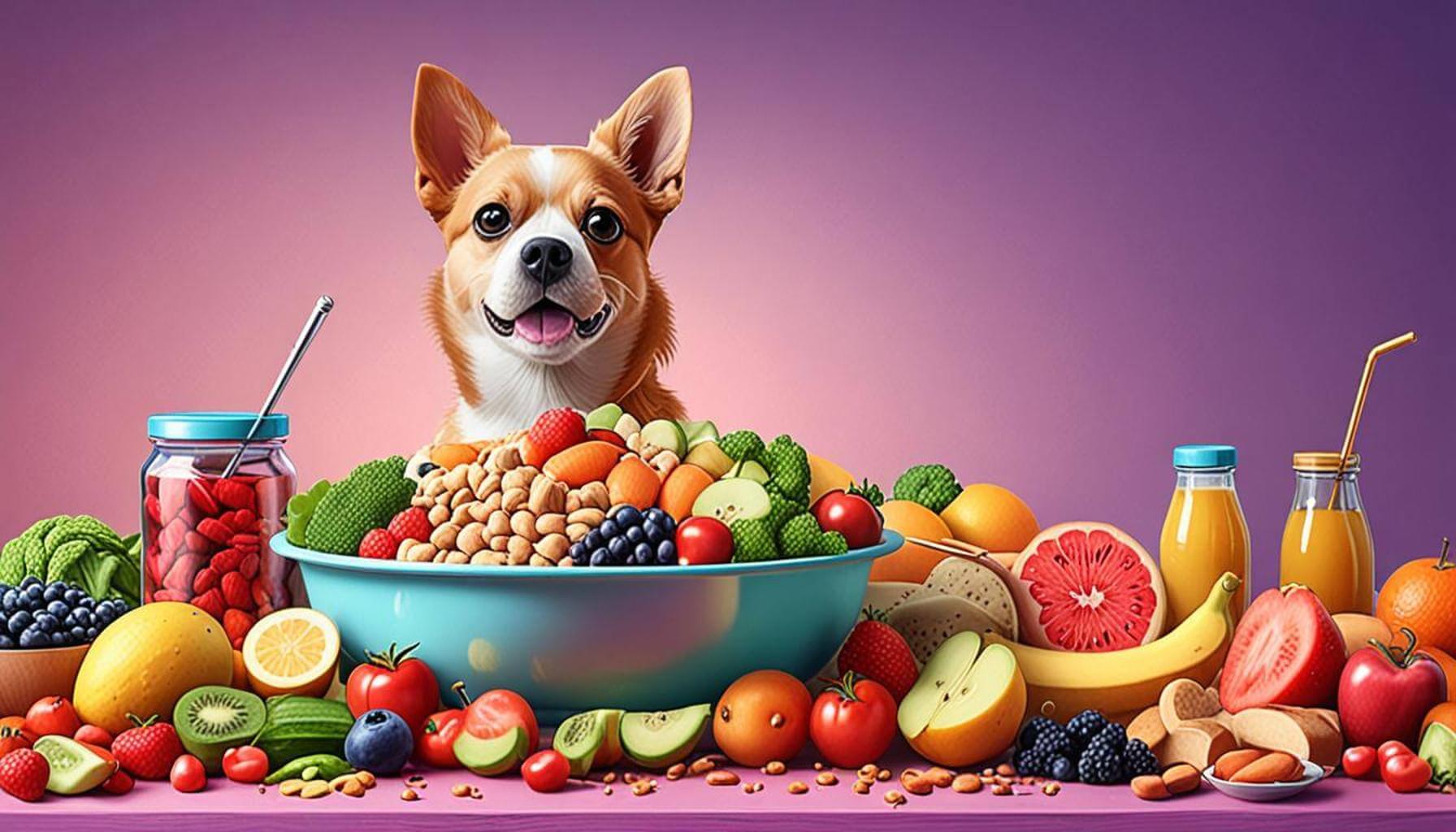
Diet is a cornerstone of your pet’s health, influencing everything from their energy levels to their longevity. A well-balanced diet that suits your pet’s age, breed, and specific health needs helps prevent obesity and related health problems. When selecting a pet food brand, focus on the quality of ingredients and adhere to veterinary recommendations to ensure optimal nutrition.
Age-Appropriate Food
Feeding age-appropriate food is key because nutritional needs change as pets age. For instance, puppies require diets rich in nutrients to support their rapid growth, while senior pets may need fewer calories and more joint-supporting supplements.
Portion Control
Proper portion control is essential to prevent obesity, a growing concern among pet owners. Measuring food portions and feeding on a consistent schedule helps maintain a healthy weight, reducing the risk of obesity-related ailments such as diabetes and joint problems.
Regular Hydration
Ensuring your pet’s access to clean water at all times is crucial, as hydration affects their metabolism and organ function. Cats and dogs may require different drinking habits, but regular water intake is universally essential.
Treats in Moderation
While treats can be an excellent tool for training and rewarding your pet, they should be given in moderation. Overindulging in treats can lead to weight gain and nutritional imbalances. Always opt for healthy, low-calorie options when rewarding your pet.
Monitoring your pet’s diet and hydration is a simple yet impactful way to influence their health, promoting longevity and a better quality of life.
2. Regular Veterinary Check-ups
Routine veterinary check-ups are as essential for pets as they are for humans. These visits provide an opportunity to monitor your pet’s health status and catch potential issues early on, which could be crucial in preventing more severe conditions.
Annual or biannual vet visits should include physical exams, dental checks, and updates on vaccinations. This proactive approach helps ensure that any abnormalities are detected and addressed promptly, potentially saving your pet from disease and discomfort. Dental health is particularly crucial, as periodontal disease can lead to serious health problems if left untreated.
Moreover, routine blood tests can assist in the early detection of diseases, offering a better chance for timely intervention and management. Utilize each vet visit to discuss any behavioral changes or health concerns, as they can provide further insight into your pet’s health and well-being.
Making these regular check-ups a priority can significantly contribute to your pet’s health and happiness, potentially extending their lifespan.
1. Exercise and Mental Stimulation
Physical exercise and mental stimulation are vital components of your pet’s overall well-being. Regular physical activity mitigates the risk of obesity and associated illnesses, while mental stimulation prevents boredom, reducing the likelihood of destructive behaviors and anxiety.
Daily Walks
Aim for at least 30 minutes of walking or playing daily. Whether it’s a brisk walk around the neighborhood or a playful fetch session, exercise is important for heart health and maintaining a healthy weight. Energetic breeds like the Border Collie or Labrador Retriever might require more rigorous physical activities to expend their energy adequately.
Interactive Toys
Engage your pet with interactive toys to challenge their minds. Puzzles, treat-dispensing toys, and engaging games provide mental stimulation, reducing stress and improving cognitive functions.
Training Sessions
Implement regular training sessions to reinforce good behavior and enhance your bond with your pet. Training also adds an element of mental challenge and discipline, benefiting both the pet and the owner by strengthening communication and understanding.
Incorporating a mix of these activities into your pet’s routine not only supports their physical health but also contributes to a happy and content state of mind, deeply enriching their quality of life.
By adopting these top five preventive care routines, you can effectively safeguard your pet’s health, ensuring they lead a long, active, and joyful life. Each of these measures, while independently beneficial, collectively forge a comprehensive approach that fortifies your pet’s health, allowing them to thrive in their daily adventures alongside you.
| Preventive Care Aspect | Importance & Benefits |
|---|---|
| Regular Vet Check-ups | Routine visits to the vet help in early detection of potential health issues, ensuring your pet remains healthy and receives necessary vaccinations and treatments. |
| Vaccination | Vaccinating pets against common diseases not only safeguards their health but also protects other animals and the environment from outbreaks, creating a safer community. |
| Dental Health | Maintaining dental hygiene for pets prevents periodontal diseases, which can lead to wider health issues, including heart disease and infections. |
| Nutrition & Diet | Providing a balanced and age-appropriate diet helps in preventing obesity and related health problems such as diabetes and joint issues, ensuring your pet remains energetic. |
| Flea and Tick Prevention | Preventive measures against fleas and ticks are crucial as they can cause discomfort and transmit diseases. Regular treatments protect your pet’s health effectively. |
Preventive care plays an essential role in maintaining the well-being of your pet and involves a variety of aspects that can greatly benefit their health and longevity. The first crucial element is Regular Vet Check-ups. Scheduling routine visits to the veterinarian is invaluable for early detection and management of health conditions that may otherwise go unnoticed. Such visits ensure that your pet is up to date with necessary vaccinations and screenings, which is a proactive measure to combat diseases.Next, Vaccination cannot be underestimated. Vaccines protect your pet from various infectious diseases that could be fatal. Moreover, when pets are vaccinated, it not only prevents their illness but also contributes to the overall health of pet populations in your area by stopping the spread of contagious diseases.Dental health is another significant aspect that pet owners often overlook. Dental Health not only involves regular brushing and professional cleanings but also awareness of your pet’s breath, as bad smells can indicate problems. Dental issues, such as periodontal disease, can lead to severe health problems if left untreated, affecting your pet’s organs over time.When it comes to Nutrition & Diet, understanding the specific dietary needs of your pet based on their age, breed, and health condition is essential. A balanced diet can help prevent obesity and other weight-related issues, ultimately increasing your pet’s life expectancy while keeping them active and vibrant.Lastly, preventive treatments for pests, specifically Flea and Tick Prevention, are vital in keeping your pet comfortable and healthy. Fleas and ticks can transmit serious diseases, so utilizing effective medications and treatments can save your pet from distress and conserve their overall health.By actively focusing on these preventive care aspects, pet owners can ensure that their beloved companions lead healthier, happier lives. Each category significantly contributes to the overarching goal of wellness, emphasizing the importance of being proactive in caring for pets.
Frequently Asked Questions About Keeping Your Pet Healthy
What are some early signs that my pet might be unwell?
Recognizing the signs that your pet is not feeling well can be crucial for their health. Some common indications include loss of appetite, lethargy, changes in behavior, unusual lumps or bumps, and persistent coughing or sneezing. It’s also important to take note of any changes in their bathroom habits. Early detection of these symptoms can mean the difference in preventing a minor issue from becoming a major health problem.
How often should I take my pet for a veterinary check-up?
For most pets, an annual veterinary check-up is recommended to ensure they are healthy and to catch any potential issues early. However, puppies, kittens, senior pets, and those with chronic health conditions might need more frequent visits. Regular check-ups are the cornerstone of preventive care, allowing vets to provide vaccinations, dental cleanings, and other necessary treatments.
What are the best ways to ensure my pet’s mental and physical well-being?
Ensuring your pet’s holistic well-being involves both physical activity and mental stimulation. Daily exercise helps maintain a healthy weight and improves mood, while interactive toys and training sessions can keep their minds sharp. Moreover, regular social interaction is vital; pets that engage socially with humans and other animals tend to be happier and healthier. Understanding your pet’s specific needs based on their breed, age, and health status can significantly contribute to their overall well-being.
How can I prevent my pet from contracting diseases?
Preventive health care is your first line of defense against diseases. This includes up-to-date vaccinations, regular parasite control, and a nutritious diet. Additionally, keeping your pet’s living environment clean and avoiding exposure to sick animals can prevent the spread of infections. Consulting with your veterinarian can help tailor a prevention plan specific to your pet’s needs.
Why is dental care important for my pet?
Dental care is a crucial aspect of your pet’s overall health. Without proper dental hygiene, pets can suffer from tooth decay, gum disease, and even systemic issues that affect the heart and liver. Regular brushing, dental check-ups, and appropriate chew toys are key to maintaining your pet’s oral health. Healthy teeth and gums can extend your pet’s lifespan and improve their quality of life.
Conclusion: Safeguarding Your Pet’s Well-Being
In conclusion, the proactive measures outlined throughout the article on preventive care are vital to ensuring your pet leads a long, healthy, and fulfilling life. Incorporating regular veterinary visits into your routine is a cornerstone of pet care, as it allows for early detection of potential health issues and guidance tailored to your pet’s specific needs. These visits are complemented by a balanced diet, which provides essential nutrients that sustain energy levels and support overall health.
Exercise also plays a critical role in maintaining your pet’s physical and mental well-being. A consistent exercise regime prevents obesity, stimulates mental health, and enhances the bond between pet and owner. Additionally, staying up-to-date with vaccinations is crucial in protecting your pet from diseases that can compromise their health.
Another important aspect is maintaining your pet’s hygiene. Regular grooming, dental care, and attention to cleanliness not only keep your pet looking their best but also ward off problems such as infections and parasites. Lastly, it’s essential to remain informed about the latest pet care developments and products, allowing you to make educated decisions that benefit your pet’s health.
By embracing these top five preventive care strategies, pet owners are more than caretakers; they become active participants in their pet’s day-to-day health journey. By doing so, you’re not only ensuring a higher quality of life for your beloved animal companion but also fostering a relationship built on trust and affection. Preventive care is a lifelong commitment, and with these steps, you can rest assured knowing you are providing your pet with the best possible chance at a happy, healthy life.