
Obedience Training: Mastering Basic Commands for a Well-Behaved Companion

The Importance of Obedience Training
For dog owners, obedience training serves as a critical building block for a positive and rewarding relationship with their canine companions. A well-trained dog not only responds to commands but also behaves more appropriately in various situations, which can vastly improve the quality of life for both pet and owner. It opens doors to efficient communication, helping pet owners understand their dogs better while simultaneously teaching dogs to better understand human cues.
One of the fundamental aspects of training is the mastery of basic commands, which function as the bedrock of canine behavior. Consider the command sit: This simple cue establishes control over your dog while promoting focus upon the handler. It is often the first command taught to puppies and serves as a gateway to learning more complex skills. For instance, getting a dog to sit before meal times or before leaving a park lets owners exercise authority in a gentle manner.
The command stay builds upon this foundation by creating a safety net. A dog that understands how to stay put can avoid hazards, such as busy roads or unpredictable situations. For example, if a dog encounters a squirrel during a walk, a well-trained pup can be commanded to stay, protecting both itself and the owner from potential accidents.
Another essential command is come, which can be a lifesaver in emergency situations. Imagine your dog darting toward a busy street; a reliable come command can bring them back to safety. Practicing this command in a controlled environment initially and gradually transitioning to more distracting scenarios can bolster a dog’s proficiency and trust in its owner.
The command leave it acts as a safeguard against threats that come in various forms, such as toxic substances or dangerous items. For instance, if your dog shows interest in something questionable on the ground, this command can be invaluable in redirecting their focus immediately.
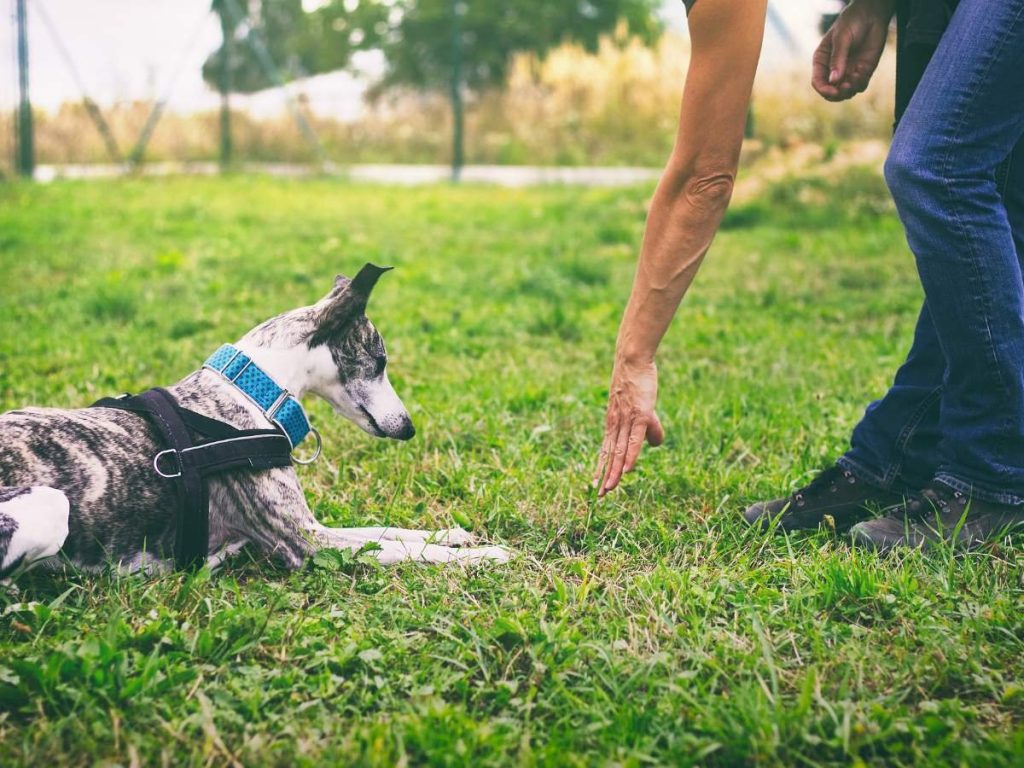
These commands not only shape your dog’s behavior but also contribute significantly to their mental stimulation. Engaging a dog in learning fosters their cognitive development and can lead to reduced anxiety and behavioral issues over time. A well-trained dog is often a happier one, leading to a more profound bond between pet and owner.
Through this article, we will delve deeper into various effective techniques and tips for successfully implementing obedience training. From choosing the best training tools to understanding the intricacies of canine psychology, we aim to equip you with the knowledge needed to create a companion that seamlessly fits into your lifestyle. Understanding these principles not only enhances training outcomes but also paves the way for a fulfilling companionship that thrives on mutual respect and understanding.
DIVE DEEPER: Click here to learn more about the best diet for your pet
Getting Started with Basic Commands
When embarking on the journey of obedience training, understanding the most effective methods to teach your dog basic commands will make all the difference in your overall success. Whether you are dealing with a brand new puppy or an older dog in need of a refresher course, developing a solid approach to training is crucial. The fundamentals consist of patience, consistency, and positive reinforcement, which form the core of a constructive learning environment.
To ensure a smooth training process, here are some essential tips to consider:
- Set the Right Environment: Choose a quiet space free from distractions to begin training sessions. This helps your dog focus solely on you without competing stimuli.
- Short and Engaging Sessions: Dogs have short attention spans, necessitating brief training sessions lasting 5 to 10 minutes. Frequent practice every day is more beneficial than longer sessions spaced too far apart.
- Use Positive Reinforcement: Reward your dog with treats, praise, or playtime when they successfully follow a command. This builds a positive association, making them more likely to repeat the behavior in the future.
As you delve into teaching basic commands, there are four primary ones to master: sit, stay, come, and leave it. Each command plays an indispensable role in not only your dog’s behavior but also their safety and well-being.
The Command “Sit”
The command sit is often the starting point for most dog training programs and for good reason. Teaching your dog to sit on cue is simple yet immensely impactful. To begin, hold a treat near your dog’s nose and slowly move it upwards. As their head moves upward, their bottom will likely lower to the ground. Once they are in a sitting position, immediately reward them with the treat and verbal praise. Remember to repeat this process consistently until your dog responds reliably to the command.
The Command “Stay”
Once your dog has mastered sitting, the next step is to teach stay. This command reinforces not only obedience but also safety. To teach it, start by giving the sit command, then show your dog the palm of your hand and say “stay.” Gradually step back for a few seconds, and then return to reward your dog if they remain in place. As they become more skilled, gradually increase the distance and duration of the stay to build their confidence.
The Command “Come”
The come command is invaluable for your dog’s safety. To train this command, start in a controlled area with fewer distractions. While calling your dog’s name, back away from them a couple of steps, using an enthusiastic tone to encourage them to come to you. Once they arrive, immediately reward them. This creates a positive association with the command and prompts your dog to return to you regardless of the situation, ultimately keeping them safe.
Through patience and consistency, mastering these basic commands becomes not just an exercise in obedience, but a means to build trust and understanding between you and your dog. In the following sections, we will further explore these commands and provide additional tips to help you achieve a well-behaved companion that fits seamlessly into your life.
Understanding the Importance of Obedience Training
Obedience training is not just about teaching your dog commands; it is about building a strong relationship based on trust and respect. A well-trained dog is more than just a well-behaved companion; it is a crucial aspect of responsible pet ownership. Mastering basic commands can enhance communication between you and your pet, leading to a harmonious household.
By implementing structured training sessions, you foster an environment where your dog feels secure and valued. Building a solid foundation through consistency and positive reinforcement helps create a dog that not only obeys commands but also feels confident in their surroundings.
Key Commands Every Dog Should Know
There are several essential commands that every dog should learn, including:
- Sit: This command helps manage your dog’s behavior in various situations, such as when guests arrive or during meal times.
- Stay: Teaching your dog to stay put is invaluable for their safety, especially in high-traffic areas.
- Come: This command can prevent dangerous situations, allowing your dog to return to you when called.
Mastering these commands benefits both your dog and you. A dog that responds promptly is easier to manage and creates a pleasant living environment. By investing time in obedience training, you are setting the groundwork for ongoing learning and development, enriching your dog’s life while strengthening your bond.
| Advantages | Details |
|---|---|
| Improved Safety | Commands like “come” and “stay” keep your dog safe from potential dangers. |
| Enhanced Communication | Obedience training helps create a stronger bond through mutual understanding. |
As you embark on the journey of obedience training, remember that patience and consistency are key. Every dog’s learning pace is different, and it is essential to adapt your approach to suit their individual needs. This process not only trains your dog but also fosters a deeper connection, transforming your canine companion into a well-mannered member of your family.
DON’T MISS: Click here to discover more about your pet’s health
Mastering Additional Commands for Enriched Communication
While the commands “sit,” “stay,” and “come” form the cornerstone of obedience training, introducing your dog to additional commands will enhance your relationship and enable better communication. These commands not only promote good behavior but also provide mental stimulation to keep your dog engaged and happy. Two additional important commands to consider are leave it and down.
The Command “Leave It”
The command leave it is crucial for preventing your dog from picking up potentially harmful or inappropriate items, such as food on the ground, garbage, or even harmful objects. Teaching this command can significantly improve your dog’s safety in various environments. Start by holding a treat in your closed hand and allowing your dog to sniff it. As they show interest, say “leave it” in a firm but gentle tone. Once they back away or lose interest, reward them with a different treat from your other hand. Consistently practice this scenario, gradually increasing the temptation by placing treats on the ground. Eventually, your dog will learn that ignoring the cue yields a better reward.
The Command “Down”
The down command helps establish a calm demeanor in your dog, which is vital for any pet in a social setting. To teach this command, start with your dog in a sitting position. Take a treat and move it slowly from their nose down to the floor between their front paws. As they lower their head, their body will naturally follow to the ground. Once your dog is lying flat, praise and reward them. Practice this command frequently, as it provides a basis for good behavior in various situations, such as when guests come over or during family gatherings.
Building an Emotional Connection
Beyond the mechanics of commands, obedience training facilitates an emotional connection with your dog. When you invest time in training, you are not just teaching them to obey; you are fostering mutual respect and understanding. Always approach training with a mixture of firmness and compassion—dogs are remarkably attuned to the emotions of their human companions. This sensitivity means that if you are calm and patient, your dog is more likely to respond positively to your commands.
Incorporating Play into Training
Another engaging way to reinforce your dog’s learning is to incorporate play into your training sessions. Games such as tug-of-war, fetch, or hide-and-seek can hook your dog’s interest and make learning enjoyable. This interactive approach not only consolidates their training but also offers a fantastic bonding experience. For instance, during a game of fetch, you can practice the commands “come” and “leave it.” By weaving obedience commands into playtime, you enhance their learning experience while keeping ordinary training from becoming monotonous.
Consistency is Key
As you introduce additional commands, it is vital to maintain consistency across all training efforts. This applies not only to the commands you teach but also to the rewards you offer. Ensure that everyone in your household uses the same keywords and hand signals to avoid confusing your dog. Inconsistency can hinder the learning process and may lead to unwanted behaviors. By creating a united front in your training approach, you will see faster progress and a better-behaved companion.
In the subsequent sections, we will discuss how to troubleshoot common training challenges and the importance of ongoing practices that reinforce obedience, creating an environment where your dog thrives as a well-behaved family member.
LEARN MORE: Click here to find out why family preparation is key to successful pet adoption
Conclusion: Fostering a Lifelong Partnership through Obedience Training
In summary, obedience training is not merely an exercise in control; it is a vital component for nurturing a harmonious relationship with your dog. By mastering basic commands such as sit, stay, and come, and expanding to essential commands like leave it and down, you equip both yourself and your furry companion with the skills necessary for effective communication and mutual respect. This training becomes the foundation upon which a well-adjusted dog thrives, resulting in a companionship marked by understanding and trust.
Moreover, incorporating play into your training sessions reinforces learning while adding an element of fun that enhances bonding. Consistency remains a critical aspect throughout this journey, ensuring clarity in expectations for your dog. By committing time and energy to training, you create not just a well-behaved pet, but also a beloved family member who understands their role in your home.
As you embark on this rewarding path of obedience training, remember that patience and perseverance are key. Embrace the opportunity to learn together, solve challenges, and celebrate achievements—large and small. Armed with effective techniques and a loving approach, you can transform your dog into a graceful companion ready to thrive in any environment.
Continue to explore advanced training methods and seek out resources that can enhance your dog’s skills. With each new command conquered, you’ll deepen your bond and pave the way for a joyful, fulfilling life together.