Natural Foods vs. Commercial Dog Food: What is Better for Your Pet?
Choosing the Right Diet for Your Canine Companion
The ongoing debate surrounding natural foods and commercial dog food is more intricate than many pet owners realize. With countless options available, dog owners often find themselves questioning what truly nourishes their furry companions. Are the benefits of natural ingredients really worth the effort, or is commercial dog food a more convenient choice? This exploration not only delves into these options but also emphasizes the importance of understanding what each choice offers.
The Appeal of Natural Foods
Natural foods, which are made from whole ingredients, tout their absence of artificial additives and preservatives. This means meals often consist of fresh meats, grains, vegetables, and fruits. Many pet owners appreciate the transparency and perceived health benefits of feeding their dogs natural diets, believing that these options can lead to improved energy levels, shinier coats, and enhanced overall well-being. For example, ingredients like sweet potatoes, chicken, and leafy greens are touted for their nutritional value. A growing number of dog owners are opting for homemade diets, thinking they can tailor meals specifically to address their dog’s individual health needs.
The Convenience of Commercial Dog Food
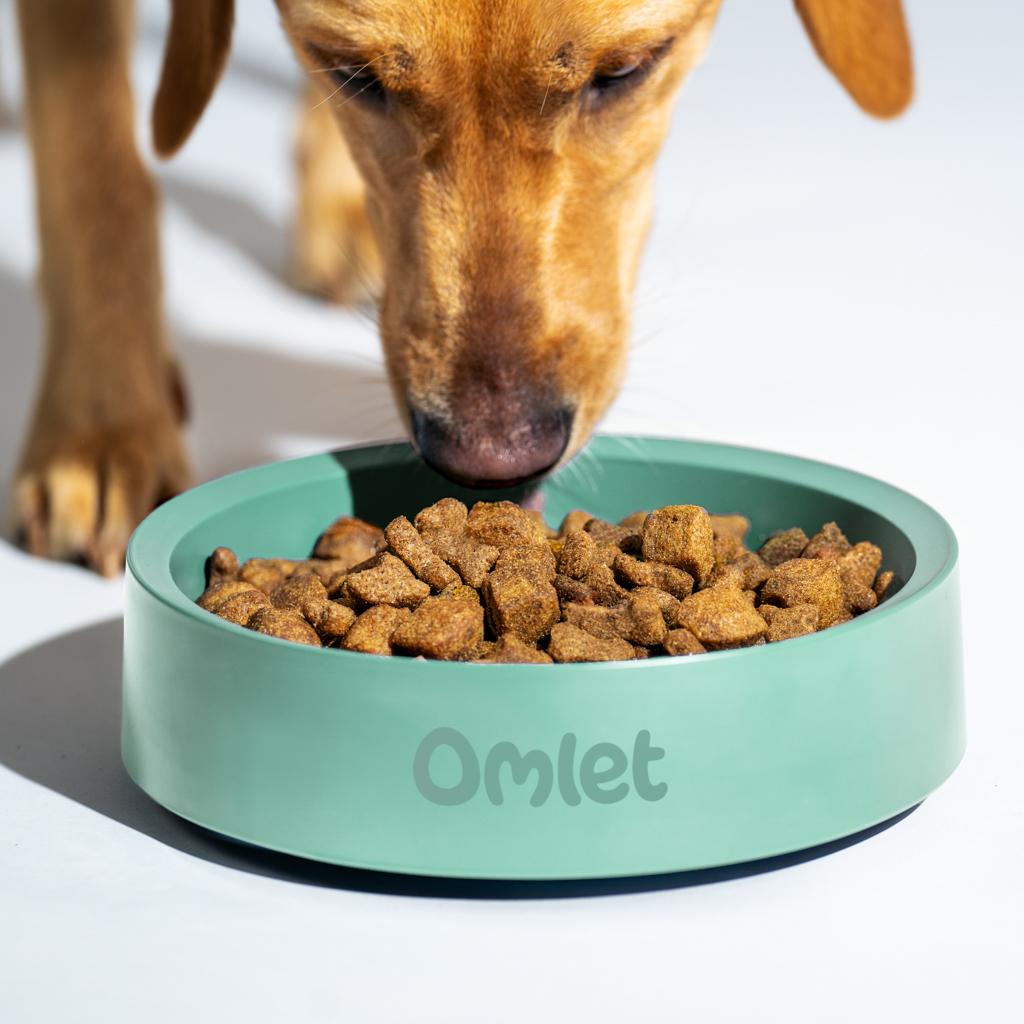
On the other hand, commercial dog food provides a level of convenience that is hard to overlook. Available in various formulations, these products are often fortified with essential vitamins and minerals, ensuring that your dog receives a balanced diet in just one bowl. They come in dry kibble, wet food, and even freeze-dried options. Many brands are developed with the help of veterinary nutritionists, taking the guesswork out of meal preparation for busy pet owners. For instance, nutritional giants such as Purina and Hill’s Science Diet capitalize on extensive research to develop formulas that cater to all life stages and specific health concerns, such as weight management or sensitive stomachs.
The Health Impacts of Diet Choices
The health impacts of a dog’s diet cannot be overstated. Various studies, including research conducted by the American Kennel Club, emphasize that a proper diet can significantly influence your dog’s behavior, health, and longevity. For example, a protein-rich diet may promote better muscle tone and vigor in active breeds, while overly processed meals might lead to obesity and other health issues. Beyond physical health, certain diets are even linked to behavioral changes; dogs on natural diets sometimes exhibit reduced anxiety and improved focus.
Making an Informed Decision
So what should you feed your four-legged friend? The answer lies in understanding the distinct characteristics of both natural foods and commercial dog food. Each option has its own set of advantages and potential drawbacks, and the right choice may vary depending on factors such as your dog’s age, breed, activity level, and health conditions. Consulting your veterinarian can provide personalized insights, ensuring that you make informed decisions that align with your dog’s unique needs. In a world saturated with pet food options, knowledge is your best ally in navigating this crucial aspect of pet care.
DIVE DEEPER: Click here to learn about the power of positive reinforcement
Understanding Nutritional Differences
When weighing the merits of natural foods and commercial dog food, it is essential to recognize the distinct nutritional profiles each option offers. Natural foods often prioritize fresh, unprocessed ingredients, aiming to replicate a dog’s ancestral diet. This embrace of whole foods means pet owners often seek out meats, fruits, and vegetables that are free from by-products, fillers, and artificial elements. For many dog enthusiasts, feeding their pets a diet reminiscent of what wild canines would consume reflects a commitment to optimal health.
What Constitutes Natural Foods?
Natural dog foods can take various forms, with raw diets gaining traction in recent years. These diets typically include raw meats, bones, organs, and even vegetables and fruits, mirroring the natural feeding habits of wolves and other wild canines. In contrast, other natural dog food options, including dehydrated or lightly processed products, retain essential nutrients without the use of harmful additives. Here’s a closer look at some common components found in natural diets:
- Lean Proteins: Chicken, beef, fish, and turkey provide essential amino acids for muscle maintenance and energy.
- Whole Grains: Brown rice, quinoa, and oats serve as important sources of carbohydrates, aiding in energy levels and digestion.
- Fruits and Vegetables: Foods like blueberries, carrots, and spinach offer vitamins and antioxidants that contribute to a dog’s immune system and overall health.
- Healthy Fats: Omega-3 fatty acids from sources like fish oil can support skin health and a shiny coat.
Commercial Dog Food: What’s Inside the Bag?
While commercial dog food provides convenience, it also generates extensive conversation around its quality and contents. The Association of American Feed Control Officials (AAFCO) establishes guidelines for pet food labeling, which helps ensure some degree of consistency in nutritional standards. However, the presence of by-products and fillers can be a point of concern for health-conscious pet owners. These ingredients, often derived from processed food waste, may offer poor-quality nutrition compared to whole foods.
Additionally, commercial options can carry unique advantages. Specialized formulations such as grain-free diets or those catering to specific allergies are prevalent in the market. Some brands also offer recipes purely designed to address critical health issues like kidney function or dental care, ensuring dogs receive tailored nutritional solutions in one simple package.
The Importance of Ingredient Transparency
As discussions around natural foods versus commercial dog food unfold, ingredient transparency emerges as a crucial factor for pet owners. With commercial products often accompanied by lengthy ingredient lists, it can be challenging to discern the true nutritional value of what’s being served in the bowl. On the other hand, many pet owners gravitate towards brands that provide clarity about sourcing and processing methods.
Ultimately, whether opting for fresh ingredients or fortified commercial products, educating oneself about the various dietary options available for dogs empowers pet owners to make informed choices that align with their dog’s unique needs. In this age of information, the right diet can offer substantial benefits not only for health but also for the bond between pet and owner.
| Category | Key Benefits |
|---|---|
| Natural Foods | Natural ingredients often lead to improved digestion and overall health. |
| Commercial Dog Food | Often more convenient and nutritionally balanced to meet specific dietary needs. |
When considering the dietary needs of your dog, the debate between natural foods and commercial dog food becomes crucial. Natural foods, enriched with whole ingredients free of preservatives, can significantly enhance your pet’s health, reducing allergy risks and promoting a vibrant coat and skin. Many proponents argue this approach mirrors a dog’s ancestral diet, fostering better digestion and vitality. On the other hand, commercial dog food boasts formulated recipes tailored to deliver precise nutrition. These products often undergo rigorous testing to ensure they meet AAFCO (Association of American Feed Control Officials) standards, providing peace of mind for pet owners. They often include a mix of vitamins and minerals essential for maintaining your dog’s health. The choice between these two options prompts pet owners to delve deeper into the ingredients, nutrient profiles, and their dog’s individual health needs. By weighing the merits of each type of food, you can make an informed decision on your pet’s meal plan that suits their unique lifestyle and dietary requirements.
DISCOVER MORE: Click here for essential tips on pet care
The Role of Dietary Preferences and Health Considerations
When exploring the choice between natural foods and commercial dog food, it’s crucial to consider how dietary preferences may align with a dog’s specific health needs. The concept of a tailored diet has gained traction, particularly among pet owners aware of their animals’ unique requirements. For instance, some dogs may exhibit sensitivities to certain ingredients prevalent in commercial diets, such as corn or specific proteins. This realization has led many owners to gravitate towards homemade meals or natural brands that allow for customization, minimizing the risk of adverse reactions.
Managing Dietary Restrictions
A rising number of pet owners are embracing the idea that food sensitivities and allergies can significantly affect their dogs’ quality of life. A study published in the Journal of Veterinary Internal Medicine found that a substantial portion of dogs exhibited food allergies, with symptoms ranging from gastrointestinal issues to chronic skin irritations. These findings emphasize the value of identifying safe, wholesome ingredients that nourish canines while avoiding common allergens.
Navigating these dietary restrictions can be daunting within the commercial dog food landscape, as ingredient labels often mask potential irritants under vague terms. For instance, phrases like “meat meal” can lead to ambiguity about protein sources. In contrast, natural diets can provide more control over ingredients, enabling owners to introduce confirmed safe options, such as lamb, sweet potatoes, or pumpkin, known for their digestive repair properties.
The Cost Factor: Are Natural Foods Worth It?
Another critical aspect in the debate surrounding natural foods versus commercial dog food undoubtedly revolves around cost. Many pet owners observe that natural diets can be significantly more expensive than their commercial counterparts. A chicken breast and organic vegetables may command a higher price point than a bag of kibble. However, a rising body of anecdotal evidence suggests that proactive investments in nutrition may lead to long-term health benefits.
Healthier diets can potentially lead to reduced veterinary bills over time, decreased incidences of obesity, and increased energy levels. According to the American Veterinary Medical Association, a balanced diet influences factors such as longevity and vitality in dogs. Thus, for those willing to allocate funds towards premium ingredients, the return on investment could manifest in improved overall health and fewer trips to the vet.
Emphasizing Species-Appropriate Nutrition
As discussions evolve between natural foods and commercial dog food, there’s a growing belief centered around the importance of species-appropriate nutrition. Advocates of natural diets often argue that a dog’s digestive system hasn’t fully adapted to the highly processed nature of many commercial products. This perspective posits that raw or minimally processed foods can not only bolster nutrient absorption but also invigorate a dog’s energy levels and vitality.
Recent trends have highlighted the significance of rethinking traditional feeding approaches. Many pet owners are now experimenting with “fresh food delivery” services, where pre-prepared natural meals are provided directly to the home. These services aim to merge convenience with nutritional integrity, appealing to time-strapped owners eager to prioritize wholesome, species-appropriate nutrition.
The ongoing dialogue surrounding natural foods and commercial dog food continues to evolve, with health considerations, dietary preferences, and cost factors at the forefront of decision-making. Exploring both avenues allows pet owners to customize their approach, ensuring their furry companions receive the best possible nutrition suited to their individual needs. As this conversation progresses, both pet owners and veterinarians play essential roles in advocating for informed, evidence-based dietary choices that prioritize canine health and happiness.
DON’T MISS: Click here for essential pet adoption steps!
Conclusion: Making an Informed Choice for Your Pet’s Nutrition
In navigating the complexities of natural foods vs. commercial dog food, pet owners are tasked with making decisions that hold significant implications for their dogs’ health and well-being. The evidence supporting the benefits of natural diets—including their customization for specific dietary needs and their ability to avoid allergens—indicates they can play a crucial role in improving a dog’s quality of life. Conversely, commercial dog food offers convenience and consistency and may be suitable for pet owners seeking an efficient, ready-to-serve option.
Ultimately, the question of which diet is better will vary for each pet, as individual health conditions, lifestyle, and even personal values shape these choices. The potential higher cost associated with natural foods can be offset by the long-term savings in veterinary care due to the preventive health benefits that come from a balanced and nutritious diet. Moreover, the growing trend of fresh food delivery services signifies a shift towards more accessible natural options, making it easier for busy owners to commit to wholesome feeding practices.
As we consider both the nutritious possibilities of home-prepared meals and the familiarity of commercial kibble, one thing is clear: informed choices backed by research, coupled with veterinary insight, can lead to happier, healthier dogs. This dialogue encourages pet owners to critically evaluate the ingredients and nutritional value of their choices, fostering an environment where each dog can thrive. By prioritizing their pets’ unique needs, owners will not only enrich the lives of their furry friends but also deepen the bond shared with them.