How Age Affects Pets’ Immune Health and What to Do About It

The Impact of Age on Pets’ Immune Health
As pets transition into their senior years, significant transformations occur within their immune systems. For pet owners, gaining a comprehensive understanding of these changes is critical to ensuring the health and longevity of their beloved companions. With advancements in veterinary care, pets are living longer, making it all the more important to address age-related immune challenges. This article delves into how age affects pets’ immune health and offers practical strategies for support.
Key Factors Influencing Immune Health
- Declining Immunity: As pets age, a common phenomenon is a weakened immune response. This decline can lead to a slower reaction to vaccines and reduced effectiveness against pathogens, making it essential to be vigilant about their health.
- Increased Vulnerability: Senior pets experience a higher risk of infections and diseases, such as kennel cough and other respiratory infections. For instance, an older dog may take longer to recover from a simple cold than a younger one, which highlights the need for prompt veterinary intervention.
- Chronic Conditions: Age often exacerbates pre-existing health issues such as arthritis, diabetes, or kidney disease, which in turn can handicap overall immunity. These conditions can create a cascade of health problems, making it crucial for owners to manage them proactively.
Recognizing the signs of immune decline is essential for pet owners. Common indicators may include fatigue, recurrent infections, or a noticeable decrease in activity levels. Being proactive—such as scheduling regular veterinary check-ups, ensuring appropriate nutrition, and considering supplementary care—can significantly impact their quality of life.
Steps to Enhance Immune Support
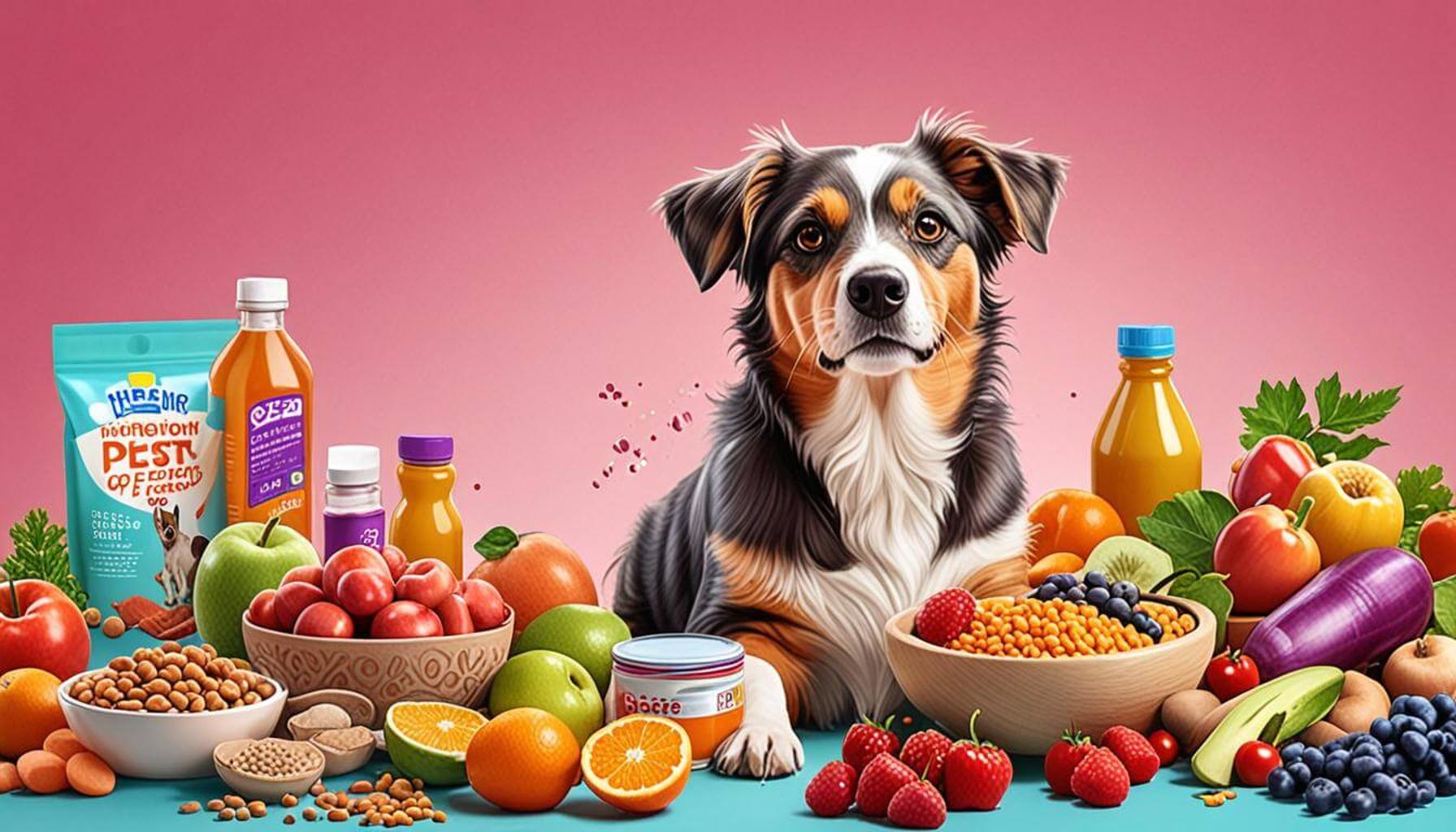
- Balanced Diet: A nutritious diet rich in antioxidants, vitamins, and minerals strengthens the immune system. Foods that include omega-3 fatty acids, like fish oil, can also provide anti-inflammatory properties that are particularly beneficial for older pets.
- Regular Exercise: Regular physical activity helps maintain a healthy weight, which is vital since obesity can further weaken the immune system. Activities like gentle walks or playtime with toys can stimulate both physical and mental health.
- Vaccinations: Keeping vaccinations current is crucial in protecting against preventable diseases. Consult with a veterinarian on a tailored vaccination schedule that considers your pet’s age and lifestyle.
- Stress Management: A calm environment can significantly enhance overall health and immunity. Engaging in stress-reducing activities, such as spending quality time with your pet or creating a quiet space for rest, can make a noticeable difference.
By understanding these critical factors, pet owners can empower themselves in the management of their furry friends’ health. Discovering and implementing best practices for immune system support not only ensures a happier life for aging pets but also fosters a deeper bond between pet and owner. As our companions age, the responsibility to care for their health grows, but with the right knowledge and dedication, we can guide them through these later years with love and vitality.
DISCOVER MORE: Click here to learn about the benefits of pet socialization
Understanding the Aging Immune System
As pets advance into their senior years, their immune health becomes increasingly susceptible to the natural wear and tear of aging. In simpler terms, as the body ages, it becomes less efficient at fighting off diseases, leaving older pets more vulnerable to infections and illnesses. This is a phenomenon known as immune senescence, where a pet’s immune response diminishes, affecting the overall ability to ward off ailments. Research shows that older pets may experience a 50% reduction in immune function compared to their younger counterparts. For pet owners, recognizing this shift in immune health is crucial for fostering a nurturing and protective environment.
Age-Related Changes in Immune Function
- Diminished Antibody Production: With age, pets often struggle to produce adequate antibodies in response to new diseases or vaccinations. This reduced ability can lead to delayed immune responses, meaning that a senior pet might not combat diseases as effectively as it once would. For example, if a senior dog is vaccinated against parvovirus, it may not produce enough antibodies to be fully protected.
- Altered Cell Activity: T-cells and B-cells, which are essential components of the immune system, become less active as pets grow older. This diminished activity can hinder the body’s capacity to eliminate pathogens efficiently, increasing susceptibility to infections.
- Chronic Inflammation: Older pets often experience persistent low-level inflammation, known as inflamm-aging. This chronic inflammation can interfere with immune function and is associated with various health issues, making it essential to address inflammatory conditions through proper care.
Several factors can exacerbate the decline in immune health during a pet’s senior years. For instance, environmental stressors, such as exposure to pollutants or secondhand smoke, can further compromise their immune systems. Moreover, nutritional deficiencies due to poor diet or transitioning to an inappropriate food as they age can amplify age-related health issues.
As responsible pet owners, being observant and proactive is vital as pets age. Look for signs such as persistent lethargy, frequent illnesses, or changes in appetite. These factors can serve as warning signs of a declining immune system. Regular veterinary check-ups become even more critical during these years to catch health issues early and implement preventive measures.
Enhancing the immune health of senior pets involves a multifaceted approach. By understanding the aging process and its effects on the immune system, pet owners can take significant steps toward maintaining their furry friends’ vitality and overall wellness.
As pets age, their immune systems undergo significant changes that can impact their overall health. The aging process often leads to a decrease in the production of immune cells, diminishing the body’s ability to fight off infections and diseases. This decline in immune function makes older pets more susceptible to various health issues, such as chronic illnesses, increased susceptibility to pathogens, and slower recovery from injuries or illnesses.One crucial aspect of maintaining a healthy immune system in aging pets is nutrition. Senior pets require a diet that is rich in antioxidants, vitamins, and minerals to support their immune health. Foods that contain omega-3 fatty acids, for instance, can help reduce inflammation and bolster immune responses. Additionally, probiotics can play a beneficial role in promoting gut health, which is closely linked to immune function. Regular veterinary check-ups are essential to monitor an aging pet’s health and to identify any potential immune-related issues early on. Vaccinations should be tailored to their age and health status, as older pets may require different vaccination schedules compared to younger ones. Any underlying health conditions, such as obesity or dental disease, should be addressed promptly to prevent further complications.Incorporating regular exercise into a pet’s routine is another vital component of supporting their immune system. Exercise enhances circulation, which allows for the efficient distribution of immune cells throughout the body. It also helps maintain a healthy weight and reduces the risk of diseases associated with obesity.Moreover, the mental stimulation involved in interactive play can enhance a pet’s emotional well-being, which is crucial for immune health. Stress and anxiety can negatively affect immune responses, making it essential to create a supportive and enriching environment for older pets.Taking proactive steps—such as optimizing nutrition, scheduling regular veterinary visits, ensuring adequate exercise, and providing mental enrichment—can significantly improve an aging pet’s immune health. By understanding how age affects their immune system and taking appropriate measures, pet owners can dramatically enhance their beloved companions’ lives, ensuring they remain vibrant and healthy in their golden years.
DISCOVER MORE: Click here for valuable tips and inspiring stories
Strategies to Support Immune Health in Senior Pets
As our beloved pets grow older, it becomes increasingly important to proactively support their immune health. By implementing specific strategies, pet owners can help stave off the detrimental effects of aging and keep their furry companions healthy and active. Here are several essential methods to consider:
Nutrition: The Foundation of Immune Support
One of the most significant contributors to a pet’s immune health is their diet. Senior pets require a balanced diet rich in essential nutrients, vitamins, and minerals. Foods high in antioxidants, such as blueberries, spinach, and sweet potatoes, can aid in combating inflammation and oxidative stress—factors that contribute to immune decline. It’s advisable to consult your veterinarian to determine the best diet tailored to your pet’s specific age, size, and health condition. Additionally, consider supplementing their diet with omega-3 fatty acids from fish oil, which have been shown to promote an optimal inflammatory response and enhance overall immune function.
Regular Exercise: Keeping the Body Engaged
Physical activity is crucial for pets of all ages, but it becomes even more vital for senior animals. Regular exercise not only helps maintain a healthy weight but also promotes circulation and supports the immune system. Gentle activities like short walks or engaging in light play can stimulate the body and mind, helping combat the sedentary lifestyle that often accompanies aging. However, it’s important to balance activity levels with the pet’s physical capabilities. Always consult with a veterinarian to establish an appropriate exercise routine.
Preventive Health Care: Vigilance is Key
- Regular Veterinary Check-ups: Annual or biannual veterinary appointments become increasingly crucial as pets age. Routine blood work, urine tests, and physical examinations can help identify health issues before they escalate, allowing for early intervention.
- Vaccinations: Keeping vaccinations up to date is essential, as older pets may not respond as robustly to vaccines. Discuss with your veterinarian if a modified vaccination schedule would benefit your senior pet.
- Parasite Control: Older pets can be more susceptible to parasites, including ticks, fleas, and worms. Implementing a stringent parasite prevention regimen is essential to support their overall health.
Environmental Factors: Create a Healthy Home
Improving your pet’s home environment can directly impact their immune health. Minimizing exposure to environmental toxins, such as secondhand smoke and air pollution, is vital. Consider using air purifiers to reduce allergens and enhance air quality. Additionally, offer a stress-free environment, as stress can negatively affect immune function. Providing safe spaces for your pet to retreat to, along with quality companionship and mental engagement, can play a significant role in overall well-being.
Ultimately, by being mindful of the various aspects that influence your pet’s immune health during their senior years, pet owners can make informed choices that promote a longer, healthier life. As one navigates these years, nurturing their pet’s immune system becomes a cornerstone of responsible pet ownership.
LEARN MORE: Click here for essential pet health tips
Conclusion: Supporting Immune Health as Pets Age
In conclusion, understanding how age affects pets’ immune health is crucial for every pet owner aiming to provide the best care for their furry companions. As pets age, their immune systems naturally weaken, making them more vulnerable to infections and diseases. However, proactive measures can significantly mitigate these risks and enhance their quality of life.
By focusing on a nutrient-rich diet, incorporating regular exercise tailored to their abilities, and maintaining vigilant preventive health care, pet owners can foster robust immune systems in their senior pets. The inclusion of essential supplements like omega-3 fatty acids can further bolster this support. Additionally, creating a conducive living environment by reducing stress and limiting exposure to environmental toxins can create a sanctuary for older pets, allowing them to thrive.
Recognizing the signs of aging and the associated health challenges can empower pet owners to take action before minor issues escalate. Regular veterinary check-ups and a customized wellness plan can be transformative in keeping senior pets active and healthy.
Ultimately, prioritizing immune health not only enhances the longevity of our pets but also strengthens the bond we share with them. By adopting these strategies and staying informed about the changes that come with age, pet owners can ensure their beloved companions enjoy vibrant, fulfilling lives well into their golden years.