Dental diseases in pets: the importance of oral hygiene for overall health
The Hidden Impact of Dental Health on Pet Well-Being
Pet owners may often find themselves preoccupied with evident indicators of their pets’ health, such as their energy levels and coat condition. However, the state of their oral hygiene is equally, if not more, crucial to their overall health. Just like humans, pets can suffer from dental diseases, leading to serious complications affecting not just their mouths but their entire bodies. Neglecting dental care in pets can result in severe ramifications that affect their quality of life and longevity.
Regular dental maintenance is essential in preventing a slew of problems. For instance:
- Periodontal disease: This is among the most common yet preventable conditions in pets. It starts with plaque buildup that, if left untreated, leads to gum inflammation (gingivitis) and can progress to the destruction of the tooth-supporting structures. Notably, periodontal disease can lead to tooth loss, which is painful and can significantly hinder a pet’s ability to eat, thereby impacting their nutrition and overall vitality.
- Oral infections: The mouth is a prime breeding ground for bacteria, and if these bacteria enter the bloodstream, they can wreak havoc on vital organs such as the heart, liver, and kidneys. The American Veterinary Dental College emphasizes that poor oral health can be linked to systemic diseases, making it imperative to keep your pet’s mouth in top shape.
- Bad breath: While this may seem like a minor annoyance, persistent bad breath is often indicative of underlying dental issues that require attention. It’s not just unsightly; it can signal a potential health crisis lurking below the surface.
Shocking statistics reveal the prevalence of dental disease among pets. According to the American Veterinary Medical Association, over 80% of dogs and 70% of cats show signs of dental disease by the age of three. This high rate underscores the urgent need for effective oral hygiene practices among pet owners who wish to ensure the long-term health of their furry companions.
Exploring solutions for better dental care is crucial for every pet owner. Regular veterinary check-ups should include dental exams, which can often identify issues before they escalate into more significant health problems. Additionally, at-home dental care, such as regular tooth brushing and providing dental chews or toys, can drastically improve your pet’s oral health. These practices not only keep your pet’s mouth healthy but also contribute significantly to their overall vitality and well-being.
In conclusion, the connections between oral hygiene and health are profound. By focusing on maintaining their pets’ dental health, owners can play an influential role in enhancing their pets’ quality of life. It is a simple yet effective way to ensure that your beloved companion enjoys a vibrant, happy life filled with playful moments and tail wags.
DISCOVER MORE: Click here for insights on pet nutrition
Understanding Common Dental Diseases in Pets
Dental diseases can silently undermine the health of our beloved pets, making awareness and proactive measures essential. From dogs to cats, a variety of dental issues can arise, often starting unnoticed. Below are some of the most prevalent dental diseases affecting pets, which every pet owner should be familiar with:
- Gingivitis: This has become one of the first warning signs of periodontal disease. Gingivitis is characterized by inflammation of the gums, which can result from plaque buildup. If not addressed, it can become a painful condition as bacteria proliferate in the mouth.
- Periodontitis: As gingivitis progresses, it can lead to periodontitis, a more severe form of gum disease. This condition not only destroys gum tissue but also affects the bone that supports the teeth. Pets suffering from periodontitis may show signs of pain, irritability, or reluctance to eat. Regular veterinary check-ups can help catch this disease in its earliest stages.
- Tooth Fractures: Chewing on hard objects, such as bones or even some toys, can lead to tooth fractures in pets. This damage can result in not only pain and discomfort but also potential infections if the pulp of the tooth is exposed. Pet owners should be cautious about the items they offer their pets for chewing.
- Oral Tumors: These can be benign or malignant and may significantly affect a pet’s ability to eat or drink. Observing unusual growths in the mouth or changes in eating habits can alert owners to seek veterinary care.
Understanding these dental diseases is the first step toward preventing them. The link between poor dental health and more serious health issues cannot be overlooked. According to the American Animal Hospital Association, untreated dental disease can lead to infections that spread to vital organs, such as the heart and kidneys, ultimately jeopardizing your pet’s health.
Proper oral hygiene practices are vital to combating these issues. Pet owners should consider introducing dental care routines early in their pet’s life. Regularly brushing your pet’s teeth is one of the most effective ways to manage dental health. Consult your veterinarian about suitable toothpaste and toothbrushes designed specifically for pets, as human products may not be safe for them.
Additionally, incorporating dental treats and toys specifically designed to promote oral health can assist in keeping your pet’s teeth clean while providing joy and entertainment. Remember, each of these small steps can lead us closer to a healthier life for our furry companions.
In light of this information, pet owners must prioritize their pets’ oral hygiene. Staying informed and proactive in dental care can lead to a remarkable difference in your pet’s well-being, ensuring they enjoy the playful and vibrant life we all desire for them.
Understanding the Impact of Oral Hygiene on Pets’ Health
When it comes to our furry companions, oral hygiene is often overlooked, yet it plays a critical role in their overall health. Common dental diseases like gingivitis, periodontal disease, and tooth decay can lead to serious health complications if not properly addressed. Bacteria from dental diseases can enter the bloodstream, causing infections in vital organs such as the heart, liver, and kidneys. This connection highlights the importance of maintaining good oral hygiene and conducting regular veterinary check-ups.Moreover, it’s important to recognize the subtle signs of dental problems. Your pet might exhibit bad breath, difficulty eating, or excessive drooling, all of which may indicate underlying dental issues. Early detection through routine teeth cleaning and proper oral care can prevent painful conditions, ultimately leading to an enhanced quality of life for your pet. Proper dental care helps animals maintain a balanced diet and can even result in behavioral improvements due to reduced pain and discomfort associated with dental diseases. Feeding your pet a balanced diet, along with recommended dental chews and toys, can significantly reduce the buildup of plaque and tartar. Regular brushing is also advised; however, many pet owners are unaware of how often their pets should undergo dental cleaning. Consulting with a veterinarian can provide guidelines tailored specifically to your pet’s breed and age. Investing time and effort into your pet’s oral hygiene today can lead to a longer, healthier life tomorrow, allowing your beloved animal companions to thrive in a disease-free environment.
| Advantage | Description |
|---|---|
| Prevention of Diseases | Regular oral hygiene practices help in preventing serious dental diseases and other related health issues. |
| Improved Overall Health | Maintaining proper oral hygiene ensures that your pet’s overall health remains intact by reducing the risk of systemic illnesses. |
With an understanding of these critical points, pet owners are encouraged to take a proactive approach to their pets’ dental care. By prioritizing timely dental checkups and adopting effective home care routines, you can ensure your pets live happier, healthier lives.
DISCOVER MORE: Click here for tips and inspiring stories
Preventative Measures for Maintaining Your Pet’s Oral Health
The key to managing dental diseases in pets lies in prevention. Many pet owners erroneously believe dental care is an occasional task, but regular oral hygiene routines can significantly reduce the risks associated with dental diseases. Implementing a comprehensive oral health strategy early in your pet’s life can pave the way for a healthier future.
One of the most effective preventative measures is regular veterinary dental check-ups. According to the American Veterinary Medical Association (AVMA), routine veterinary examinations are crucial, as they can identify early signs of dental problems before they escalate. During these check-ups, veterinarians can perform professional teeth cleanings, which are instrumental in removing plaque and tartar buildup that regular brushing may miss.
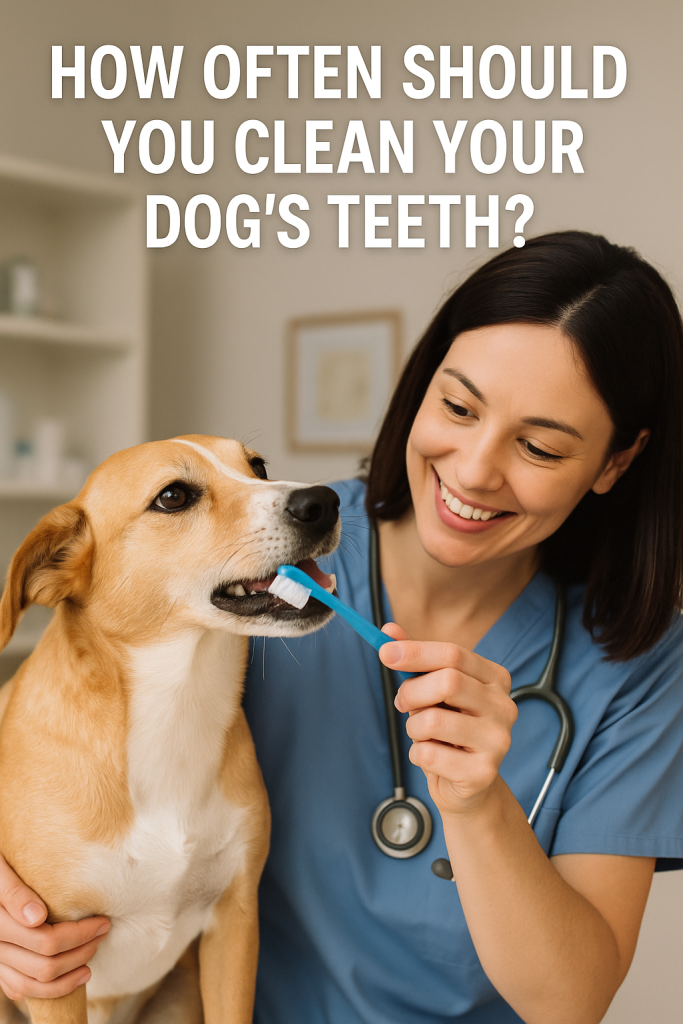
In addition to professional cleanings, pet owners can establish a home dental care regimen. Brushing your pet’s teeth should ideally be done daily. To make this process easier, consider using flavored toothpaste that appeals to your pet—products are available in enticing flavors like chicken or peanut butter. This not only makes brushing more enjoyable for your pet but also encourages acceptance of the routine. For best results, select a toothbrush designed specifically for pets, which can more effectively reach areas that may harbor plaque.
Incorporating dental diets into your pet’s nutrition can also bolster their oral health. Certain diets are formulated to reduce plaque and tartar buildup, thanks to their unique kibble texture and ingredients that promote dental hygiene. Consult your veterinarian when selecting the most appropriate diet tailored to your pet’s needs.
Another supplementary approach in the fight against oral diseases is the use of dental chews and toys. These products can aid in mechanically cleaning your pet’s teeth while satisfying their urge to chew. Look for chews or toys endorsed by the Veterinary Oral Health Council (VOHC), as these products have been specifically tested for their efficacy in promoting oral health.
Behavioral habits also play an essential role in maintaining dental hygiene. Pets, particularly dogs, can be trained to accept brushing through positive reinforcement methods. Slowly introducing the brush while giving treats can associate tooth brushing with a rewarding experience, making the process smoother.
Monitoring your pet’s oral health at home is equally important. Owners should routinely check their pets’ mouths for signs of dental problems, including bad breath, swollen gums, or difficulty chewing. A noticeable change in eating habits might signal pain or discomfort, necessitating a prompt veterinary visit. Daily checks can be particularly beneficial, as early detection leads to more effective treatment and minimizes suffering.
As a responsible pet owner, prioritizing dental care is not just about ensuring a beautiful smile—it’s about overall health and longevity. By taking a proactive stance on your pet’s oral hygiene, you greatly contribute to their quality of life and overall well-being. Educating oneself on the solutions available and fostering a habit of regular care can spell the difference between a healthy mouth and the complexities of dental disease.
LEARN MORE: Click here to discover essential tips for pet dental health
Conclusion
In conclusion, understanding the impact of dental diseases in pets is vital for any pet owner committed to the well-being of their furry companions. Oral hygiene is not just an aesthetic concern; it is a cornerstone of overall health that can influence everything from their energy levels to the longevity of their lives. By recognizing the crucial connection between oral health and systemic conditions, such as heart or kidney disease, we emphasize the need for a comprehensive dental care plan.
Implementing a regular routine that includes veterinary check-ups, daily brushing, appropriate dental diets, and engaging chews or toys can significantly diminish the incidence of dental diseases. Through consistent monitoring and preventive strategies, pet owners can detect early signs of dental issues and take action before they escalate into serious problems. The investment in time and effort spent on your pet’s dental hygiene pays off in their happiness and health.
Ultimately, prioritizing your pet’s oral hygiene is a reflection of your love and responsibility as a pet owner. To delve deeper into this topic, explore veterinary resources or engage in discussions with your veterinarian to tailor the best oral health strategy for your pet. By staying educated and proactive, you can ensure your pet enjoys a healthy mouth and, consequently, a vibrant life. After all, a little effort today can lead to a lifetime of well-being tomorrow.