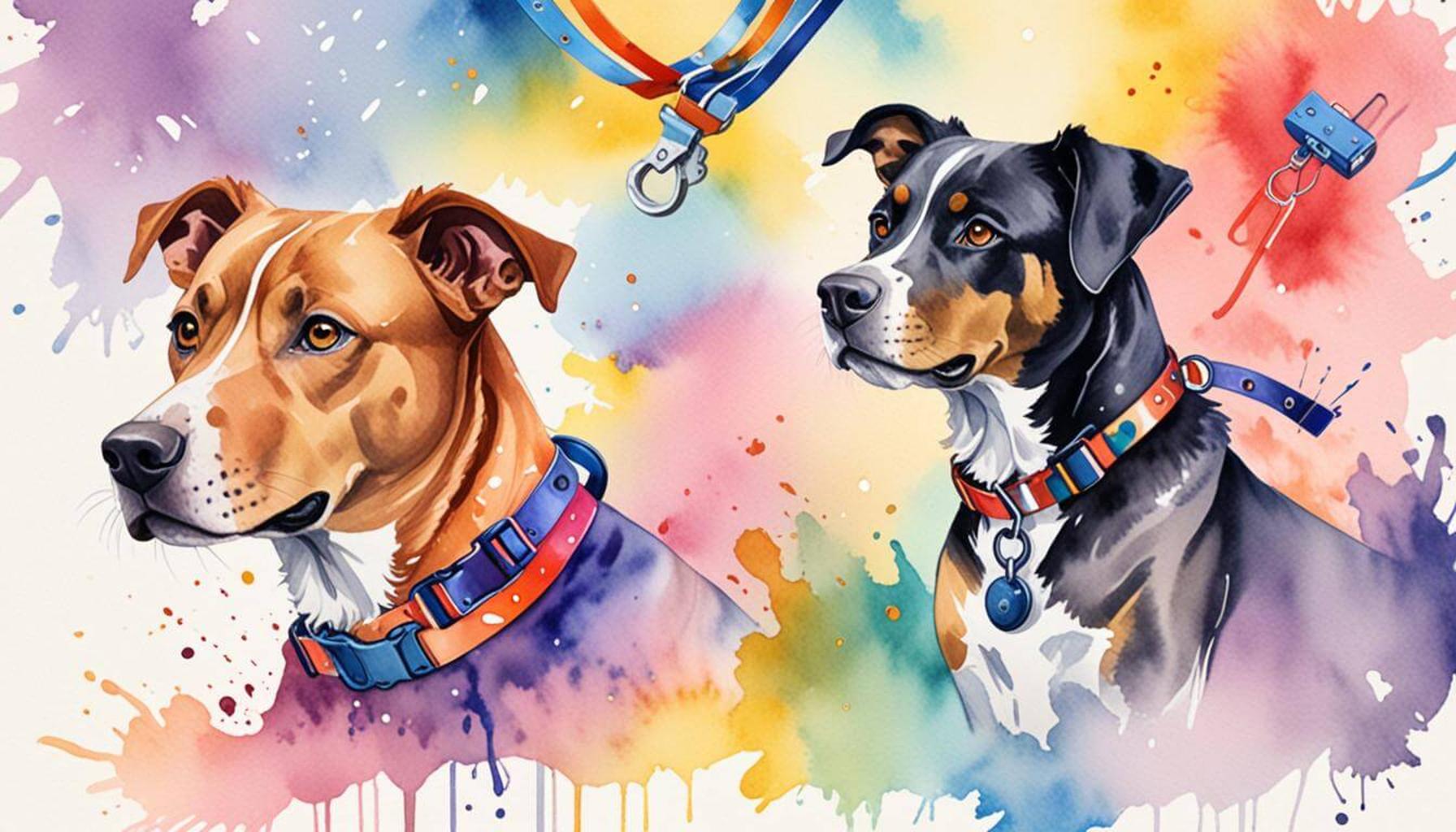
Behavioral Training for Specific Breeds: Tailoring Techniques to Your Pet’s Needs

Understanding Your Dog’s Unique Traits
Every dog is unique, and understanding your pet’s specific breed characteristics can make a significant difference in the effectiveness of behavioral training. Tailoring your training techniques to fit your pet’s needs not only fosters a better relationship but also enhances learning outcomes. Here’s why focusing on breed-specific behaviors is vital:
Different Temperaments
It’s essential to recognize that breeds vary widely in temperament, which greatly influences their behavior and training. For example, a Border Collie is known for its intelligence and high energy levels, making it particularly well-suited for agility training and complex command sequences. In contrast, a Bulldog possesses a more laid-back demeanor, often requiring a gentler and more patient training approach. Understanding these differences can help you choose methods and techniques that resonate with your dog’s natural disposition, leading to a more harmonious training experience.
Instinctive Behaviors
Many dog breeds come with a set of instinctive behaviors that dictate their natural inclinations. For instance, Retrievers, such as Labrador Retrievers and Golden Retrievers, typically have a strong urge to fetch due to their breeding history as hunting companions. These dogs thrive when training incorporates fetching games, which align with their instinctive desires. On the other hand, Herding breeds, like Australian Shepherds, often display a natural tendency to herd, which can manifest in chasing after children or other animals unless properly channeled through training and supervised play.
Socialization Needs
Socialization is another critical aspect influenced by breed. Some dogs are social butterflies, thriving on interaction with humans and other dogs. Breeds like Golden Retrievers and Beagles often seek out social engagement, and their training should include opportunities for positive social experiences. Conversely, more reserved breeds, such as Shiba Inus or certain terriers, may initially show reluctance in social settings. Tailored training programs can assist in building confidence in these dogs, ensuring they feel comfortable and secure around other animals and people.
The Importance of Breed-Specific Training
In the United States, adopting a breed-specific training plan is essential for pet owners seeking to promote good behavior and enhance their dog’s well-being. While generic training methods can occasionally yield results, they often lack the finesse required to address the specific quirks and strengths of different breeds. By considering these breed characteristics, trainers and owners can work together to develop effective strategies that align with a dog’s natural instincts, personality, and social needs. As you continue your journey into dog training, remain open to discovering the unique requirements of your furry friend—keeping an eye on their breed-specific traits can illuminate a path to successful, rewarding training experiences.
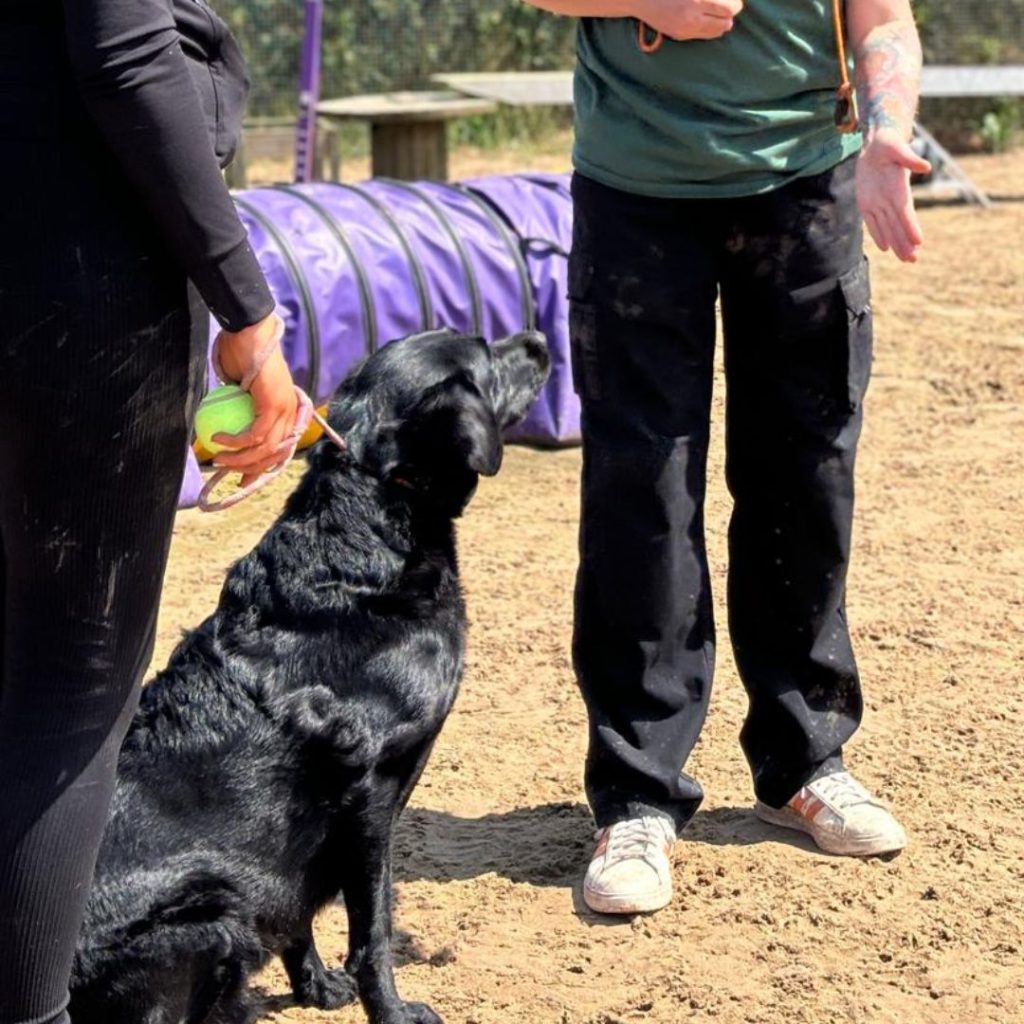
DIVE DEEPER: Click here to learn more
Developing Training Techniques for Your Dog
Once you understand your dog’s unique traits, the next step is to develop training techniques that cater to those specific needs. This customized approach allows you to engage your pet effectively and address common behavioral issues, making training a rewarding endeavor for both you and your furry companion. Here are some strategies to consider when tailoring your behavioral training:
Incorporating Play and Engagement
Utilizing play as an integral part of behavioral training can be particularly effective, especially for breeds that thrive on physical activity. For example, high-energy breeds such as Border Collies and Jack Russell Terriers respond well to training that includes interactive games. Incorporating activities like fetch, tug-of-war, or agility exercises can transform traditional training sessions into enjoyable experiences. This not only keeps these dogs engaged but also reinforces their learning through positive reinforcement.
Positive Reinforcement Techniques
Employing positive reinforcement is a proven method across all breeds, but its execution can vary based on breed characteristics. For instance, Retrievers are often very food-motivated, meaning using treats as rewards can quickly enhance their learning. In contrast, more independent breeds, such as Fox Terriers, may respond better to praise and playtime as rewards due to their strong-willed nature. Understanding your dog’s motivation can significantly affect the outcomes of your training sessions.
Creating a Structured Training Environment
A structured training environment can aid in effectively managing your dog’s learning process. Here are some tips to create an ideal training atmosphere:
- Consistency is Key: Use the same commands and cues for behaviors you wish to encourage or discourage.
- Minimize Distractions: Choose training locations that are less likely to disrupt your dog’s focus. Avoid busy parks when starting basic training to ensure your dog can concentrate.
- Short and Frequent Sessions: Many dogs lose attention quickly, so shorter, more frequent training sessions can be beneficial. Aim for 5-10 minute sessions several times a day.
Adjusting for Age and Development
It’s crucial to adjust training methodologies according to the age and developmental stage of your dog. For instance, puppies require different training techniques than adult dogs. Young pups are typically more receptive to simple commands and socialization, while older dogs may benefit from more advanced training to refine existing skills or combat unwanted behaviors. Age-appropriate training can help maintain the interest of your dog and make lessons easier to grasp.
By customizing your training techniques to fit your dog’s unique personality, desires, and developmental needs, you will lay the groundwork for a meaningful and long-lasting bond. Emphasizing a breed’s specific tendencies helps create a positive learning environment that nurtures both growth and companionship, ultimately resulting in a well-rounded and happy pet.
| Training Category | Technique Benefits |
|---|---|
| Positive Reinforcement | Builds confidence and strengthens the bond between pet and owner. |
| Specific Breed Adaptation | Addresses unique behavioral traits, ensuring more effective training outcomes. |
| Consistency and Routine | Improves learning speed and reduces anxiety in pets. |
| Socialization Techniques | Promotes well-rounded behavior, reducing fear and aggression in various situations. |
In understanding the dynamics of behavioral training for specific breeds, one must consider various attributes that influence a pet’s response to techniques. Different breeds exhibit distinct temperaments and learning rates, which necessitate a customized approach. For instance, positive reinforcement not only encourages desired behaviors but also solidifies the trust between the trainer and the pet.Another effective method involves the adaptation of techniques to meet specific breed needs. Breeds like Border Collies thrive in environments that stimulate their intelligence through task-oriented challenges, while others may respond better to simpler commands. Implementing a routine is crucial; it provides a predictable environment where pets feel secure and are more likely to engage in the training process.Moreover, well-planned socialization techniques are vital in developing a balanced temperament. Early exposure to various stimuli can prevent behavioral issues such as fear and aggression, which are commonly linked with certain breeds. Thus, tailoring training to address these breed-specific needs ensures a more effective and fulfilling experience for both the pet and owner.
DISCOVER MORE: Click here to learn effective training techniques
Adapting Communication Styles with Breeds
Effective communication is essential in any training regimen, and as such, adapting your communication style to your dog’s breed can enhance their learning and responsiveness. Each breed has its own set of vocalizations, body language, and social cues that can influence the way they interpret your commands.
Understanding Vocal Cues
Some breeds are more attuned to vocal commands than others. For instance, working breeds like Doberman Pinschers or German Shepherds often excel with clear, firm verbal directions. Conversely, breeds such as the Shiba Inu tend to have a more independent streak and may require a gentler approach combined with positive affirmations. Learning to match your tone and volume with your dog’s sensitivity will directly influence their ability to engage and respond during training.
Leveraging Body Language
Body language plays a pivotal role in how dogs communicate, and it is critical to align your non-verbal signals with your commands. For example, herding breeds like Australian Shepherds respond well when body language is clear and assertive, often mirroring the cues given by their trainers. Use open gestures and maintain eye contact to establish a connection. On the other hand, breeds that are more prone to anxiety, such as Greyhounds, may respond better when the body language is relaxed and soothing. This understanding aids in building trust and ensuring effective communication.
Customizing Socialization Techniques
Each breed has different needs for socialization, which is crucial for well-rounded behavioral training. For example, toy breeds such as Chihuahuas might require a gentle introduction to social settings to prevent overwhelming them, while Sporting breeds like Cocker Spaniels thrive on regular interaction with both people and other dogs.
- Controlled Environments: Initiate socialization in a controlled environment. For timid breeds, small gatherings with familiar dogs can provide safe opportunities for exploration.
- Gradual Exposure: For breeds that can be reactive, such as terriers, gradual exposure to new environments while maintaining a safe distance can help build confidence.
- Positive Experiences: Reinforce socialization with treats and praise when your dog behaves well around new dogs or people, fostering a positive outlook on social interactions.
Addressing Behavioral Issues Unique to Breeds
Specific breeds may be prone to certain behavioral issues, requiring you to employ tailored strategies. For instance, Beagles are known for their strong hunting instincts, often leading to unwanted scavenging behavior. To combat this, implement consistent leash training and consider distractions like toys when out and about. In contrast, breeds that tend to bond closely with their owners, such as Boxers, can exhibit separation anxiety. In this case, training sessions focused on gradual desensitization to alone time can be beneficial in alleviating stress and creating a more balanced dog.
By refining your communication approaches, socialization strategies, and behavioral corrections to fit your pet’s unique breed characteristics, you empower them to thrive. This attentiveness to their instincts and sensitivities not only strengthens your training efficacy but also deepens the mutual bond, paving the way for a harmonious relationship.
DISCOVER MORE: Click here for essential pet health tips
Conclusion
In the realm of behavioral training for specific breeds, recognizing and responding to the unique needs of your pet is paramount. Throughout this exploration, we’ve delved into various aspects that underline the importance of customizing training techniques—not just for effective communication, but for fostering a deep bond between you and your dog. By understanding the distinct characteristics affecting vocal cues, body language, and socialization techniques, you can cultivate an environment where your pet thrives.
Moreover, addressing breed-specific behavioral issues is essential for a harmonious living situation. Tailored strategies allow for the effective management of challenges, ensuring a well-behaved companion who feels secure and understood. Whether it’s providing a gentle approach for small breeds like Chihuahuas or utilizing assertive methods for working breeds like Shepherds, your awareness and adaptability set the foundation for successful training.
In conclusion, investing time and effort into understanding your dog’s breed-specific traits will not only lead to enhanced training outcomes but will also enrich the overall companionship experience. As you embark on this rewarding journey, remember that each session is an opportunity to build trust, foster communication, and celebrate your dog’s individuality. The result is a lifelong partnership grounded in mutual respect and joy—a testament to the power of tailored behavioral training.