Impact of Diet on Pet Behavior: How Nutrition Can Influence Animals’ Mood and Energy

Understanding the Connection Between Diet and Pet Behavior
The correlation between nutrition and pet behavior is more than just a passing observation; it’s a topic garnering increasing attention in the world of animal care. Owners often find themselves perplexed when their pets exhibit unexpected moods or energy levels. The good news is that the root cause may lie in their diet.
Key Areas of Impact
A well-balanced diet can influence various aspects of pet behavior, including:
- Energy Levels: Proper nutrients fuel an active and playful demeanor. Pets that receive adequate protein, carbohydrates, and fats tend to have a balanced energy level, enabling them to engage in physical activities and play. For example, a dog that enjoys outdoor adventures might thrive on a diet rich in proteins and complex carbohydrates to sustain energy.
- Mood Stability: Certain ingredients can enhance or diminish a pet’s overall happiness. Research has shown that foods high in Omega-3 fatty acids, often found in fish oil, can lead to reduced stress and anxiety levels in pets. For instance, adding salmon to your dog’s diet could help mitigate issues related to mood swings.
- Behavioral Issues: Nutritional deficiencies can lead to anxiety and aggression. Pets who are not receiving essential vitamins and minerals may become more irritable or anxious. As an illustration, a cat lacking in taurine, which is crucial for their overall health, can develop aggression or excessive fearfulness.
Research indicates that pets fed a diet rich in Omega-3 fatty acids, vitamins, and minerals tend to exhibit more calmness and focus. Meanwhile, those consuming low-quality ingredients might struggle with hyperactivity and irritability. The link between nutrition and behavior is supported by studies that highlight how specific dietary compositions lead to significant changes in temperament. For example, a study found that dogs fed high-quality kibble demonstrated more relaxed behavior in various social settings compared to those on a cheaper brand.
Exploring Dietary Changes
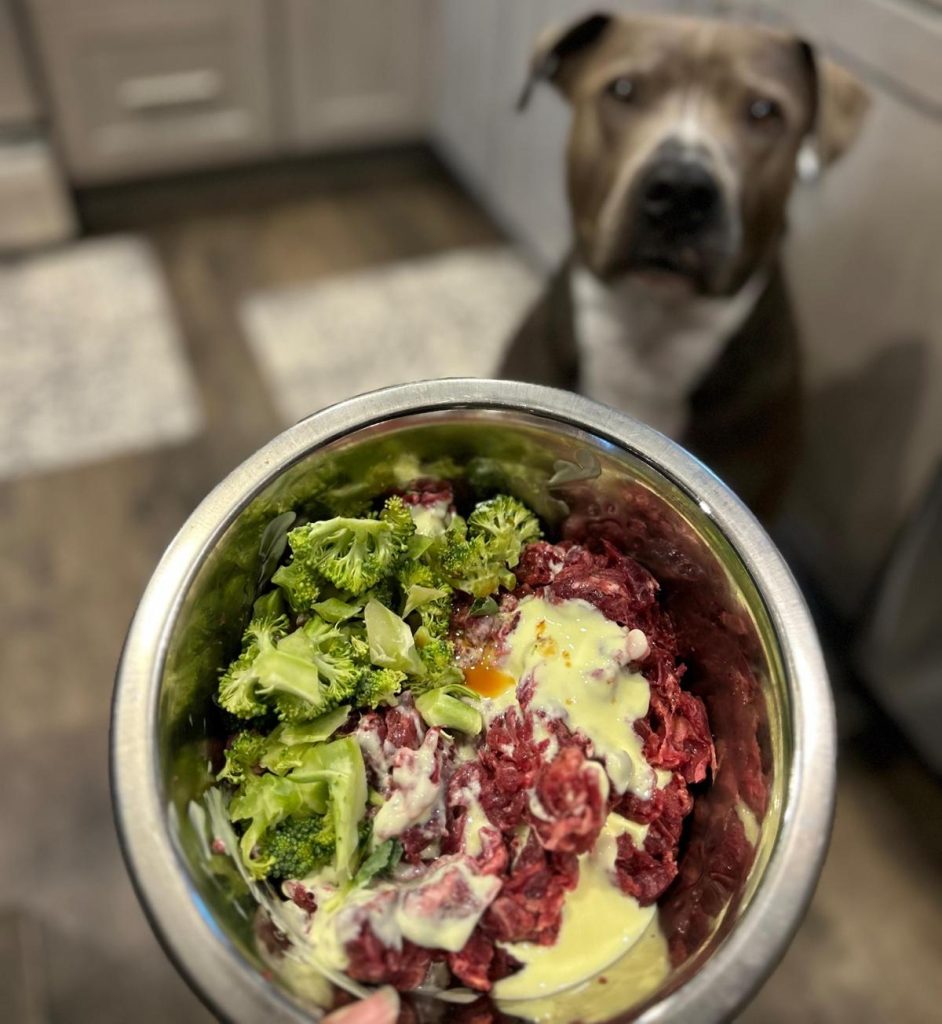
Making simple adjustments to your pet’s meals can create noticeable changes. Options such as high-quality kibble or fresh food diets offer essential nutrients that cater to your furry friend’s needs. You might consider consulting with a veterinarian to determine the best dietary options tailored to your pet’s specific behaviors and health requirements.
This article dives deeper into how specific dietary choices can significantly impact your pet’s mood and energy, providing insights that may lead to a happier, healthier companion. From homemade meals to premium commercial diets, understanding your pet’s nutritional needs is paramount to fostering a good relationship and behavior. Join us as we explore the fascinating connection between diet and animal behavior, encouraging you to investigate further and make informed choices for your pet’s well-being.
LEARN MORE: Click here to discover the importance of puppy socialization
The Role of Nutrients in Shaping Behavior
The nutrients that comprise a pet’s diet play a pivotal role in influencing their behavior, mood, and energy levels. Just as with human beings, the foods animals consume can affect their mental and emotional states. To fully understand the connection between diet and pet behavior, it is essential to delve into the specific nutrients that contribute to a pet’s overall well-being.
Essential Nutrients and Their Behavioral Effects
Various components of a diet can have profound effects on behavioral outcomes in pets. Here are some key nutrients and their influences:
- Protein: A primary building block for tissues and vital for energy production, protein is crucial for a pet’s muscle development and activity levels. Dogs, for instance, require high-quality protein sources like chicken or fish to maintain energy, particularly when engaging in vigorous play or training.
- Carbohydrates: Often regarded just as energy sources, carbohydrates can also have an impact on mood. Complex carbohydrates, such as those found in whole grains, help maintain stable blood sugar levels, which can lead to consistent energy and fewer mood swings. In contrast, diets high in sugar can leave pets feeling fatigued or agitated.
- Fats: Healthy fats, particularly Omega-3 and Omega-6 fatty acids, promote healthy brain function and can positively affect a pet’s emotional state. The incorporation of Omega-3s from sources like fish oil can enhance cognitive function and reduce anxiety-related behaviors in both dogs and cats.
- Vitamins and Minerals: Vital for metabolic functions, deficiencies in certain vitamins and minerals can lead to irritability and behavioral issues. For example, a lack of B vitamins may increase a pet’s anxiety and stress levels, while calcium is important for nerve function and muscle control.
Scientific studies provide insights into these connections, revealing that even slight adjustments in a pet’s diet can lead to substantial behavioral improvements. Research has shown that dogs experienced reduced hyperactivity and improved focus after being transitioned to a diet that included higher quality proteins and an ideal balance of fats. Cats, on the other hand, were observed to display lower anxiety levels after the incorporation of taurine-rich foods, essential for their overall health.
Assessing Your Pet’s Diet
Understanding the intricacies of a pet’s dietary needs is vital for their behavioral health. Pet owners should take an active role in evaluating their furry friends’ meals. This includes investigating ingredient lists on commercial pet foods and being knowledgeable about what constitutes a balanced diet for their specific species and breed. Consulting with a veterinarian can provide tailored dietary recommendations that can significantly enhance the mood and behavior of pets.
The journey towards optimizing a pet’s nutrition can lead to a variety of positive changes in their daily interactions and overall experiences, emphasizing the importance of not only what pets eat but also how it affects their lives. By prioritizing high-quality, balanced diets, pet owners can unlock the potential for improved behavior and a happier, more energetic companion.
Understanding the impact of diet on pet behavior can lead to better companionship and well-being for our furry friends. A balanced diet is essential for maintaining optimal physical health, but it also plays a crucial role in shaping animals’ mood and energy levels. This relationship stems from the fact that the right nutrients can affect brain chemistry, thus influencing how pets react to their environment.
Recent studies indicate that certain ingredients in pet foods can directly impact behavior. For instance, diets rich in Omega-3 fatty acids have been linked to reduced anxiety and improved social behavior in dogs. Meanwhile, the amino acid tryptophan, found in proteins, is known to be a precursor for serotonin, a neurotransmitter that helps regulate mood. Ensuring that a pet’s diet includes sufficient protein content can promote a more stable and happy demeanor.
Additionally, grains and fillers in cheaper pet foods may lead to irritability and hyperactivity. In contrast, natural raw diets or high-quality kibble that feature whole foods as main ingredients tend to offer better energy sustenance and behavioral stability. Furthermore, activity levels can be significantly affected by diet; a well-nourished pet is more likely to exhibit balanced energy levels and engage positively with its surroundings.
Monitoring your pet’s diet and making necessary adjustments could lead to noticeable improvements in behavior. This might involve consulting with a veterinarian to tailor a diet that addresses specific behavioral concerns, thus maximizing your pet’s well-being and happiness. In doing so, you empower your pet to lead a vibrant and emotionally stable life.
| Nutritional Element | Impact on Behavior |
|---|---|
| Omega-3 Fatty Acids | Reduces anxiety, promotes social behavior |
| Tryptophan | Enhances mood stability by increasing serotonin |
| High-Quality Ingredients | Leads to balanced energy and positive engagement |
Integrating the right nutritional elements into your pet’s diet can pave the way for a more harmonious life, showcasing the undeniable link between food and feelings. As responsible pet owners, it’s our duty to ensure that our pets receive proper nutrition to optimize their health and happiness.
LEARN MORE: Click here for essential pet nutrition tips
The Behavioral Impact of Feeding Schedules and Practices
Aside from nutrients themselves, the feeding schedule and practices can also significantly influence pet behavior. The habits surrounding meal times, portion sizes, and the environment in which pets eat can create an additional layer of impact on their emotional well-being. History and routine often dictate how pets respond to their surroundings, and any changes can have far-reaching effects.
The Importance of Feeding Schedules
Establishing a consistent feeding schedule helps create a sense of stability and predictability for pets. Dogs and cats thrive in environments that offer routine, and fixed meal times can contribute to a calmer demeanor. Research indicates that pets fed at regular intervals are less likely to exhibit anxiety-related behaviors, such as excessive barking or meowing. In turn, owners can experience less stress as their pets demonstrate improved behavior.
Moreover, free-feeding, which involves leaving food out for pets to nibble on throughout the day, may seem convenient but can lead to behavioral issues such as obesity and resource guarding. In contrast, measured feeding encourages pets to anticipate meal times, which can build excitement and improve their mood leading up to each feeding. Pairing these routines with appropriate exercise can further enhance energy levels.
Environmental Factors During Feeding
The environment surrounding a pet’s meal can shape their behaviors as well. A peaceful, distraction-free area encourages positive dining experiences, while a chaotic setting can provoke stress and anxiety. For example, if a pet’s feeding area is frequently interrupted by loud noises or other pets encroaching on their space, it can lead to increased agitation or aggression during meals. Creating a designated, calm feeding zone can mitigate these anxieties and foster a more pleasant atmosphere during meal times.
Furthermore, incorporating positive reinforcement during feeding routines can help to improve a pet’s overall temperament. Consider offering treats or praise when your pet is calm and exhibiting good behavior, especially when they are in proximity to their food or during feeding times. This positive conditioning can lead to long-lasting behavioral changes that overflow into other aspects of their lives.
Effects of Novel Foods on Behavior
Introducing new foods or flavors into a pet’s dietary regimen can also have intriguing behavioral impacts. While it is essential to transition any new diet gradually, diversifying a pet’s menu can stimulate their interest in food and promote better overall mental health. Pets, like humans, can experience boredom with repetitive meals, possibly leading to apathetic behaviors.
One study indicated that dogs displayed more enthusiasm and energy during meal times when offered a varied diet as opposed to a monotonous one. Such changes can foster a sense of excitement and engagement, enhancing overall energy levels. However, it is crucial for pet owners to remain vigilant and recognize potential food sensitivities, as introducing new ingredients can also lead to digestive issues that translate into behavioral problems.
Ultimately, the intricate relationship between a pet’s diet and behavior is not confined to the nutritional content alone. Attention to factors such as feeding schedules, environments during meals, and variety can collectively contribute to a more balanced, happy, and energetic pet. Thus, pet owners seeking to enhance their furry companions’ emotional and physical well-being should explore a holistic approach that encompasses both nutrition and the broader feeding experience.
DISCOVER MORE: Click here for essential tips
Conclusion: Nourishing Behavior through Nutrition
In summary, the impact of diet on pet behavior is a multifaceted subject that encompasses not only the nutritional quality of food but also the entire feeding experience. From structured meal times that provide a sense of stability to the ambiance surrounding each feeding event, every element plays a significant role in shaping a pet’s emotional and physical well-being. A consistent feeding schedule, for instance, cultivates a calmer demeanor, reducing anxiety-related behaviors and creating a harmonious environment for both pets and their owners.
Moreover, the introduction of variety can reinvigorate pets’ interest in their meals, which in turn positively influences their mood and energy levels. By diversifying their diets, pet owners can enhance engagement and enthusiasm at meal times, contributing to overall happiness and health. However, it is crucial to remember that changes in diet should be approached with caution to avoid triggering any digestive issues.
Utilizing positive reinforcement during feeding and creating serene mealtime environments can further enhance behavioral outcomes. This holistic approach not only encourages healthy eating habits but also fosters positive emotional connections between pets and their caregivers. Thus, understanding the relationship between nutrition and behavior opens up new avenues for enhancing pet welfare.
For those invested in improving the lives of their furry companions, diving deeper into the intricacies of pet nutrition and its behavioral repercussions can be a rewarding journey. By doing so, pet owners can unlock the potential for happier, more energetic companions, ultimately enriching the human-animal bond.