Homemade Pet Food Recipes: Practical and Nutritious
The Importance of Homemade Pet Food
In recent years, a growing number of pet owners have shifted towards homemade pet food recipes as a means to ensure their furry friends enjoy a healthier and more balanced diet. This trend is not just a culinary fad; the movement is rooted in a desire to provide pets with natural, wholesome ingredients. Furthermore, crafting tailor-made meals for pets can enhance the emotional connection between animals and their human companions, creating a sense of care and partnership.
The Advantages of Homemade Pet Food
- Control over ingredients: When you prepare your pet’s meals at home, you have complete control over the ingredients that go into their food. This transparency allows you to prioritize high-quality, organic options, steering clear of artificial preservatives and fillers often found in commercial pet foods. For instance, you can avoid common allergens like corn or soy that may affect your pet’s health.
- Cost-effective: Contrary to popular belief, preparing homemade pet food can be more economical than purchasing premium commercial brands. By buying ingredients in bulk, taking advantage of seasonal produce, and utilizing sales, pet owners can cut down on costs significantly over time. For example, purchasing a whole chicken and using it for multiple meals can be far less expensive than continually buying packaged kibble.
- Freshness: There’s a palpable difference in taste between fresh and processed food, and pets can sense it too. Homemade meals are prepared just for your pet, ensuring they are served at peak freshness, devoid of the preservatives and shelf stabilizers commonly used in store-bought products. The use of fresh ingredients means better flavor and aroma, which can also encourage picky eaters to indulge in their meals.
Just what constitutes a balanced homemade pet diet? Research suggests that the ideal pet meals consist of a well-rounded mix of proteins, carbohydrates, and vegetables. Here is a closer look at some commonly recommended ingredients:
- Lean meats: Chicken, turkey, and beef are excellent sources of protein that help in muscle development and overall health. Many pet owners find great success incorporating these proteins into various recipes, creating a diverse menu that keeps pets engaged and satisfied.
- Grains: Whole grains like brown rice and oats serve as beneficial sources of carbohydrates, contributing to sustainable energy levels throughout the day. These grains also provide fibers that aid digestion, promoting a healthier gut for pets.
- Vegetables: Nutrient-rich options such as carrots, peas, and sweet potatoes are not just colorful additions; they are loaded with vitamins, minerals, and antioxidants that support the immune system and overall vitality. Additionally, vegetables can be cooked or pureed to accommodate pets with different chewing abilities, ensuring every furry friend gets the nutrition they need.
As you delve into the realm of homemade pet food, remember that recipes can be customized to meet your pet’s unique dietary needs or restrictions. For example, a pet with specific allergies might benefit from alternative protein sources or different vegetables. Whether you have a dog or a cat, prioritizing their health begins with what’s in their bowl. Prepare to unlock a treasure trove of practical and nutritious recipes that will allow you to whip up delightful meals your beloved pets are sure to love, fostering a lasting bond through food.
DON’T MISS: Click here to discover why socialization is key for your puppy’s well-being
Essential Ingredients for Balanced Homemade Pet Meals
Creating homemade pet food can be a fulfilling venture, but it requires a thorough understanding of what constitutes a nutritious diet for your furry friend. As you embark on this culinary journey, keep in mind that balance is key. Each meal should include proteins, carbohydrates, fats, and, of course, essential vitamins and minerals. The following are key categories of ingredients that should be considered when formulating your pet’s meals:
- Proteins: Protein sources are crucial for your pet’s overall health. Lean meats such as chicken, turkey, and fish provide essential amino acids necessary for muscle repair and energy. Adding eggs can also be an excellent source of protein and healthy fats. It’s essential to ensure proteins are cooked thoroughly to make them safer for your pet’s consumption.
- Dairy: While not all pets can tolerate dairy, small amounts can provide beneficial nutrients. Ingredients like plain yogurt can aid digestion and offer probiotics, which are essential for a healthy gut. However, always consult with your veterinarian before incorporating dairy into your pet’s diet, especially if they have lactose intolerance.
- Fats: Healthy fats are important for maintaining a shiny coat and providing energy. Sources such as fish oil or flaxseed oil are great options. They also contribute omega-3 fatty acids, which are vital for brain and heart health. Just remember to use fats in moderation, as too much can lead to obesity.
- Vegetables: Fresh veggies not only add flavor and texture to your pet’s meals, but they also offer a wealth of vitamins and minerals. Vegetables like spinach, zucchini, and pumpkin are packed with nutrients that can support your pet’s immune system and promote overall health. Be cautious, though; some vegetables, like onions and garlic, can be toxic to pets, so research is essential.
- Supplements: Depending on your pet’s dietary needs, you may want to consider adding supplements to their meals. Vitamins and minerals can fill in any gaps by enhancing their nutrition. Again, it’s wise to consult with a veterinarian to determine what, if any, supplements are necessary.
As you gather these ingredients, remember that each pet is unique, with different nutritional needs based on their age, size, and health conditions. For instance, a growing puppy will have distinct dietary requirements compared to a senior dog. Similarly, cats have specific dietary needs that differ from those of dogs. Tailoring recipes to accommodate these differences is crucial for promoting optimal health.
The journey to prepare homemade pet food can lead to countless rewarding meals for your beloved companions. Crafting recipes with thoughtfulness can foster a deeper bond while ensuring they receive the nutrients necessary for vibrant health. Now you’re ready to learn about practical recipes that are both nutritious and easily prepared at home.
| Advantage | Description |
|---|---|
| Better Nutritional Control | With homemade pet food recipes, you can customize your pet’s diet, ensuring they receive the ideal balance of nutrients required for optimal health. |
| Cost-Effective | Creating your own pet food can often be more affordable than purchasing premium store brands, allowing pet owners to manage their budgets without sacrificing quality. |
| Fresh Ingredients | Using fresh, whole ingredients ensures that your pet enjoys a diet free from preservatives, additives, and artificial flavors commonly found in commercial pet foods. |
| Allergy Management | Homemade recipes allow you to avoid allergens in your pet’s diet, which can greatly benefit pets with food sensitivities and allergies. |
By embracing the art of making homemade pet food, not only are you catering to your pet’s taste preferences, but you’re also taking significant steps toward their overall well-being. The ability to prepare meals with specific nutritional requirements at heart helps in promoting a longer, happier life for your furry companions. Stay tuned for detailed recipes that will simplify this journey into pet nutrition.
DON’T MISS: Click here to learn why family preparation is essential for pet adoption
Easy and Nutritious Homemade Pet Food Recipes
Once you have gathered the essential ingredients for your pet’s meals, it’s time to get cooking! The beauty of homemade pet food lies in its versatility and customization to suit your pet’s individual tastes and nutritional needs. Below are three easy, healthy recipes that cover different protein sources and provide balance across the necessary food groups.
Recipe 1: Chicken and Vegetable Bowl
This recipe is not only tastier but also provides a rainbow of nutrients beneficial for your dog.
- Ingredients:
- 2 cups of cooked chicken (shredded)
- 1 cup of carrots (finely chopped)
- 1 cup of peas
- 1/2 cup of pumpkin puree (not sweetened)
- 1 tablespoon of olive oil
- 1/4 cup of brown rice (cooked)
- Instructions:
- In a large bowl, combine all ingredients until they are well mixed.
- Serve warm, allowing the meal to cool to a safe temperature for your pet.
- Store leftovers in an airtight container in the refrigerator for up to 3 days.
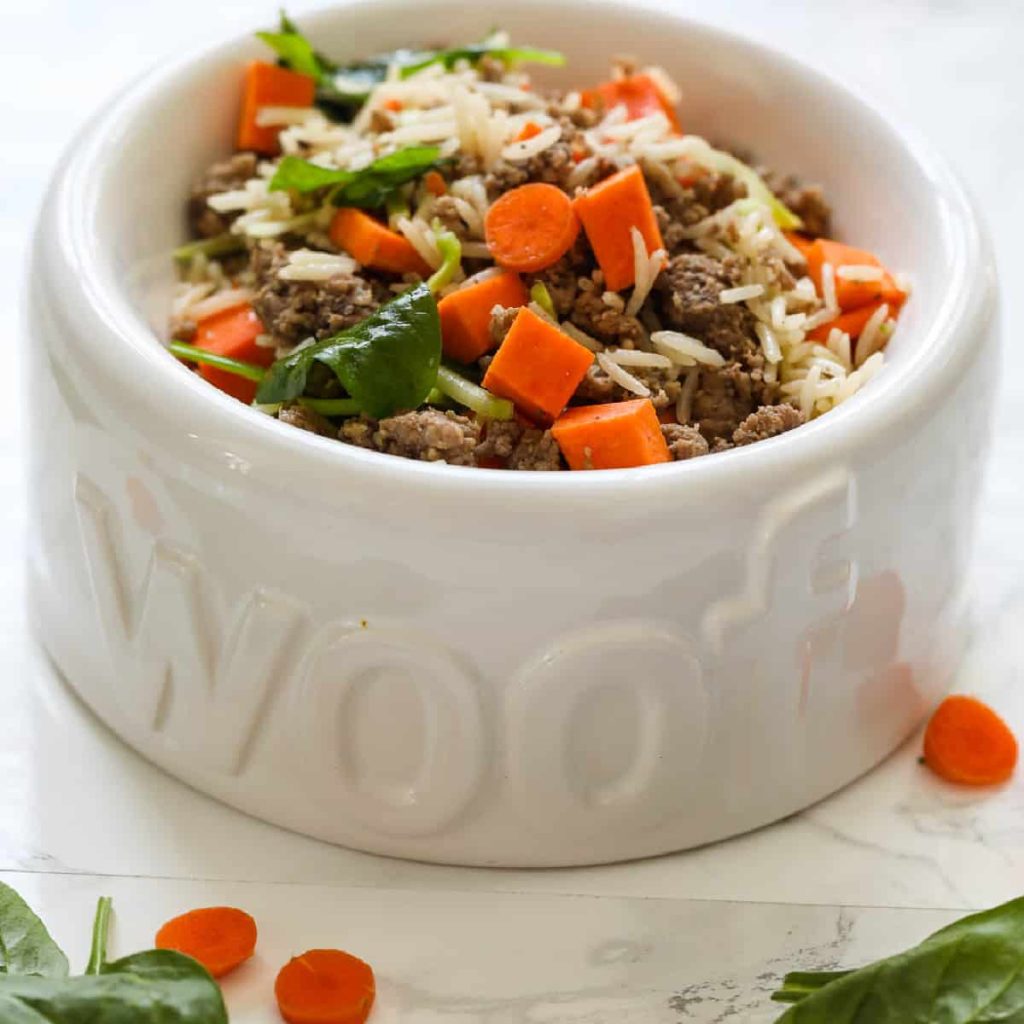
Recipe 2: Beef and Sweet Potato Medley
This hearty recipe provides essential vitamins and minerals that support active pets, helping them stay strong and energetic.
- Ingredients:
- 1 pound of ground beef (lean)
- 1 large sweet potato (cubed)
- 1 cup of spinach (chopped)
- 1/2 cup of green beans (chopped)
- 1 tablespoon of fish oil
- Instructions:
- In a frying pan, cook the ground beef over medium heat until browned and fully cooked.
- Add sweet potato cubes and enough water to cover them. Cook until soft.
- Remove from heat and mix in spinach and green beans until wilted.
- Add fish oil and stir well before serving.
Recipe 3: Tuna Delight for Cats
This simple, nutritious recipe for cats is packed with protein and omega-3 fatty acids, ideal for keeping their coats healthy and shiny.
- Ingredients:
- 1 can of low-sodium tuna (in water, drained)
- 1/4 cup of cooked quinoa
- 1/2 cup of peas
- 1/4 cup of chicken broth (low-sodium)
- Instructions:
- In a bowl, mash the tuna with a fork until shredded.
- Add cooked quinoa, peas, and chicken broth. Mix until combined.
- Serve fresh and store extras in an airtight container in the fridge for up to 2 days.
These recipes are not only easy to prepare but also allow you to customize the ingredients based on your pet’s preferences and needs. With a bit of creativity, you can mix and match components while ensuring your pet enjoys a delicious, well-balanced meal. Plus, making food at home can ultimately strengthen the bond between you and your beloved animal, transforming mealtime into a magical experience of love and care.
LEARN MORE: Click here to discover the benefits of positive reinforcement
Final Thoughts on Homemade Pet Food Recipes
Incorporating homemade pet food into your furry companion’s diet can lead to numerous health benefits and enhance their quality of life. The recipes provided offer practical and nutritious options tailored to meet your pet’s specific dietary requirements while providing variety and flavor. By selecting fresh ingredients and preparing meals yourself, you can ensure that every bite is packed with essential nutrients and free from additives often found in commercial products.
Moreover, homemade pet food can foster a deeper bond between you and your pet, transforming mealtime into an expression of love and care. The art of cooking for your beloved animal not only caters to their taste buds but also encourages you to explore different combinations of wholesome ingredients that promote overall health. Remember that before transitioning to homemade meals, consulting with a veterinarian is crucial to ensure a balanced diet and to address any specific health concerns your pet may have.
As you embark on this culinary journey, your creativity can flourish, leading to delicious discoveries that delight your pet. Embrace the joys of cooking, and enjoy the peace of mind that comes from knowing exactly what your pet is eating. With the right recipes at your fingertips, you hold the key to both delicious meals and a happier, healthier life for your furry friend. So, why not start today? Your pet’s next favorite dish is just a whisk away!