The Influence of Water on Digestion and General Health of Pets
The Necessity of Proper Hydration for Pets
Water is often an afterthought in the attention pet owners give to their furry companions, yet it serves as a foundational pillar of good health. Just as humans need water to support numerous bodily functions, pets depend upon it to maintain their vitality and overall well-being. It is vital for pet owners to understand the importance of hydration, as neglecting this fundamental need can lead to significant health issues.
Consider the manifold ways in which water impacts our pets:
- Hydration and Digestion: Water is essential for the digestive process. It not only helps in breaking down food into absorbable nutrients but also plays a role in softening stool, which can prevent constipation. For example, pets consuming dry kibble are particularly reliant on water to aid in digestion. Insufficient water intake can lead to digestive disorders, like bloating or gastritis, which can compromise their quality of life.
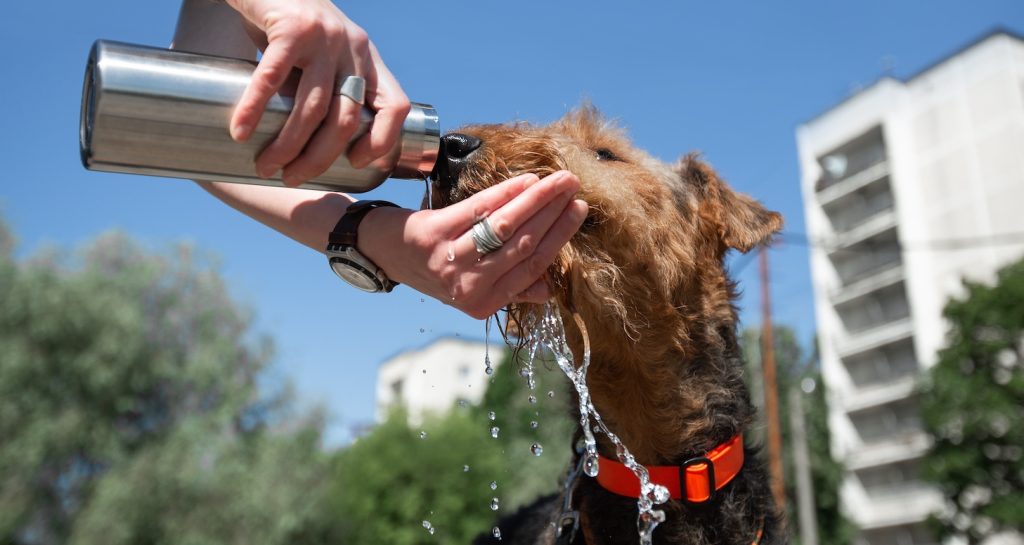
- Temperature Regulation: Pets, particularly those with thick fur, can struggle to maintain an optimal body temperature during hot weather. Water intake is crucial for thermoregulation, allowing pets to dissipate heat efficiently. During the sweltering summer months, make sure to provide ample water and consider bringing a portable water bowl when going for walks to ensure they stay hydrated.
- Waste Elimination: Water plays an instrumental role in waste elimination. It aids the kidneys in filtering toxins from the blood, preventing urinary tract infections and kidney diseases. Pets that are well-hydrated generally present fewer issues with their urinary systems, underscoring the necessity of constant access to fresh water.
Research underscores the importance of hydration, showing that pets with adequate water intake tend to encounter fewer health problems. Beyond digestive issues, dehydration can lead to severe conditions such as kidney failure or urinary blockages, which can be life-threatening. This is particularly sobering for pet owners, as these conditions often require costly veterinary interventions and long-term management plans.
Being proactive is critical. Pet owners should closely monitor their pets for signs of dehydration, which can include dry gums, loss of skin elasticity, and lethargy. Ensuring that pets have constant access to clean water is imperative. Additionally, understanding the specific hydration needs of your pet based on their size, activity level, and the climate in which they live will make a significant difference in their health. For instance, larger breeds or highly active dogs may require more water compared to smaller, less active pets.
Join us as we delve deeper into the profound effects of water on digestion and general health in pets, unlocking essential tips and insights for responsible pet care that fosters a longer, healthier life for your furry friends.
LEARN MORE: Click here for essential care tips
The Role of Water in the Digestive Health of Pets
Water is a key player in the intricate system of digestion, impacting not just how food is processed, but also how nutrients are absorbed and utilized by a pet’s body. As an essential component of the gastrointestinal tract, adequate hydration is critical to support optimal digestive function. When pets consume food, their bodies require water to break down complex solids into simpler nutrients that can be absorbed into the bloodstream. This process is fueled by saliva, gastric juices, and intestinal fluids, all of which rely on sufficient water levels to function properly.
Digestion, Nutrient Absorption, and Hydration
For pets that primarily eat dry food, the correlation between water intake and digestion becomes even more pronounced. Without adequate water consumption, the efficiency of enzymatic activity diminishes, leading to challenges in digesting nutrients effectively. Studies indicate that pet owners might underestimate the water needs of their companions; in fact, dogs should typically consume an ounce of water for every pound of body weight each day. This rule of thumb underscores the significance of ensuring your pet has constant access to water, especially if they are on a dry kibble diet.
Moreover, insufficient hydration can result in severe consequences, including:
- Constipation: When a pet’s body is dehydrated, the colon absorbs too much water from the waste matter, leading to hard, dry stools that can cause discomfort.
- Bloating: In some pets, dehydration can lead to excessive gas and discomfort due to inefficient food breakdown within the digestive tract.
- Gastritis: A lack of adequate fluids can cause irritation of the stomach lining, leading to symptoms like vomiting and loss of appetite.
Beyond the immediate digestive consequences, chronic dehydration can lead to long-term health implications. For instance, pets suffering from persistent digestive disorders may begin to experience malnutrition because their bodies cannot efficiently process and absorb essential nutrients. Remember, the link between hydration and overall health includes a pet’s immune system, weight management, and even mental well-being.
Encouraging Hydration in Daily Life
To counter the risks of dehydration, pet owners should adopt proactive measures to encourage hydration. Regularly changing the water in their bowl, considering the use of pet water fountains that maintain freshness, and incorporating wet food into their diet can all enhance water intake. Pet owners should also be aware of environmental factors; in warmer climates, pets need additional water to compensate for increased fluid loss from panting and sweating through their paws.
In summary, understanding the influential role of water on pet digestion is essential for any pet owner. With the right amount of hydration, pets can thrive healthily and happily, ensuring their digestive systems work efficiently and effectively. As we explore further into the overall health benefits provided by water, we will uncover more on how maintaining proper hydration can foster a longer, healthier life for our beloved companions.
The Role of Water in Pet Digestion
Water plays a crucial role in the digestion process of pets, as it aids in breaking down food and allowing nutrients to be absorbed more efficiently. When pets consume food, their bodies require water to help dissolve the necessary nutrients, making them more accessible for absorption. A diet lacking sufficient water can lead to digestive issues, including constipation and a decreased ability to absorb essential vitamins and minerals.The types of foods that pets consume can also affect how much water they need. For instance, dry kibble generally requires more water intake to aid in digestion compared to wet food, which contains higher moisture levels. This highlights the importance of understanding not only the diet of pets but also their hydration needs.
Health Benefits of Proper Hydration
Maintaining adequate hydration contributes significantly to overall health in pets. Proper water intake has been linked to stronger kidney function, enhanced metabolism, and improved bodily functions. Dehydration can lead to serious health complications, including urinary tract infections and kidney stones, which can significantly affect a pet’s quality of life.Moreover, a well-hydrated pet is typically more active and displays better energy levels. Owners might notice that their pets who drink ample water are more playful and engaged, showcasing the direct benefit that hydration can have on their vigor and mood. This further emphasizes the need for pet owners to monitor their pets’ water intake closely.
Water Quality Matters
The quality of water provided to pets is equally important. Filtered or fresh water is preferable to avoid contaminants that could endanger a pet’s health. Regularly cleaning water bowls and ensuring that pets always have access to fresh water can help mitigate health risks associated with polluted water sources.By understanding the vital connection between water, digestion, and overall health, pet owners can take proactive measures to enhance their furry friends’ well-being, paving the way for a longer, healthier life. Now, let’s explore some of the advantages associated with proper hydration in pets through the following table.
| Advantages | Description |
|---|---|
| Improved Digestion | Water aids in dissolving nutrients and facilitates their absorption in the digestive tract. |
| Enhanced Energy Levels | Proper hydration supports optimal metabolism, leading to increased activity and playfulness in pets. |
DON’T MISS: Click here for essential tips and warning signs
Water, Weight Management, and Their Connection to Overall Health
Hydration is not only pivotal for digestion but also plays a vital role in managing a pet’s weight, an increasingly important aspect of pet health in the United States. Obesity in pets has become a troubling epidemic, with approximately 56% of dogs and 60% of cats in the U.S. classified as overweight or obese. One might wonder how water consumption influences this growing concern.
The Link between Hydration and Appetite Control
One of the significant roles water plays in weight management is appetite regulation. Proper hydration helps pets feel full, which can prevent overeating. When pets are dehydrated, they might confuse hunger cues with thirst. This confusion can lead them to consume unnecessary calories, contributing to weight gain. It’s not uncommon for a pet owner to witness their furry companion begging for food, when in fact, a refreshing bowl of water might be the solution.
Furthermore, hydration enhances metabolism, enabling pets to burn calories effectively. When a pet is adequately hydrated, the body can efficiently convert stored energy from fat into usable calories, fostering a healthier weight and metabolism. Therefore, encouraging pets to drink sufficient water can be a critical factor in preventing obesity and promoting optimal energy levels.
Effects on Skin and Coat Health
Another dimension of health influenced by water intake is the quality of a pet’s skin and coat. Dehydration can result in dry, flaky skin and an uninspiring coat that lacks luster. Pets with proper hydration, on the other hand, tend to have shinier fur and healthier skin. Animal dermatologists emphasize that water facilitates proper circulation, which is essential for delivering nutrients and oxygen to skin cells. A well-hydrated pet is better equipped to fend off various skin ailments, including irritation or infections that could arise from dry skin.
Moreover, hydration can have benefits beyond external appearance. Inadequate water intake can lead to urinary tract issues in pets, particularly for cats, who may develop more serious conditions such as urinary crystals or blockages. This not only affects their urinary health but can also lead to significant pain and discomfort, emphasizing the interconnectedness of hydration and overall well-being.
Behavioral Benefits and Mental Well-being
The impact of water on pets doesn’t conclude at physical health; it extends to their mental well-being as well. Dehydrated pets may exhibit signs of lethargy or decreased motivation for play—a crucial part of their overall health. Hydration supports brain function, and studies have shown that even mild dehydration can affect cognitive performance in pets. By ensuring that pets stay hydrated, pet owners promote not only physical vigor but also a happy and engaged disposition.
In an effort to foster proper hydration, keeping fresh water available at all times, especially during outdoor activities or hotter seasons, is crucial. Adding hydration-focused treats or incorporating water-rich foods can help motivate pets to drink more. Creative strategies, like offering ice cubes as a treat or providing flavorful water enhancements, can also intrigue pets and encourage them to increase their fluid intake.
Ultimately, understanding the importance of water extends beyond mere survival; it taps into holistic health considerations for our pets. As we delve further into the multifaceted influence of water on general health, we uncover an essential truth: consistent, adequate hydration is vital to living a long, happy, and healthy life for our four-legged friends.
DIVE DEEPER: Click here to uncover the best options for your pet’s diet
Conclusion
In conclusion, the critical role of water in the health and well-being of pets cannot be overstated. From aiding in digestive processes to regulating appetite and promoting healthy skin, water serves as a fundamental element that supports a pet’s overall vitality. The link between proper hydration and weight management is particularly significant in light of rising obesity rates in pets in the U.S., where awareness and proactive measures can make a substantial difference.
Furthermore, the hidden benefits of sufficient water intake extend to mental and emotional health, enhancing a pet’s energy levels and engagement with their environment. Dehydrated animals can display lethargy, impacting their willingness to play and explore, which is essential for their happiness and quality of life. Hence, ensuring that our furry companions have access to fresh, clean water at all times is crucial not only for their physical health but also for their emotional well-being.
As pet owners, we are urged to prioritize hydration through various means, whether it’s by providing flavorful water alternatives or involving them in activities that encourage drinking. By understanding and addressing the importance of water, we take an essential step in fostering longevity and a healthier life for our pets. As the exploration of the influence of water on pet health continues, it becomes clear that consistent hydration is a cornerstone of responsible pet ownership, ultimately leading to happier, healthier companions.