The influence of vaccination on the longevity and health of pets
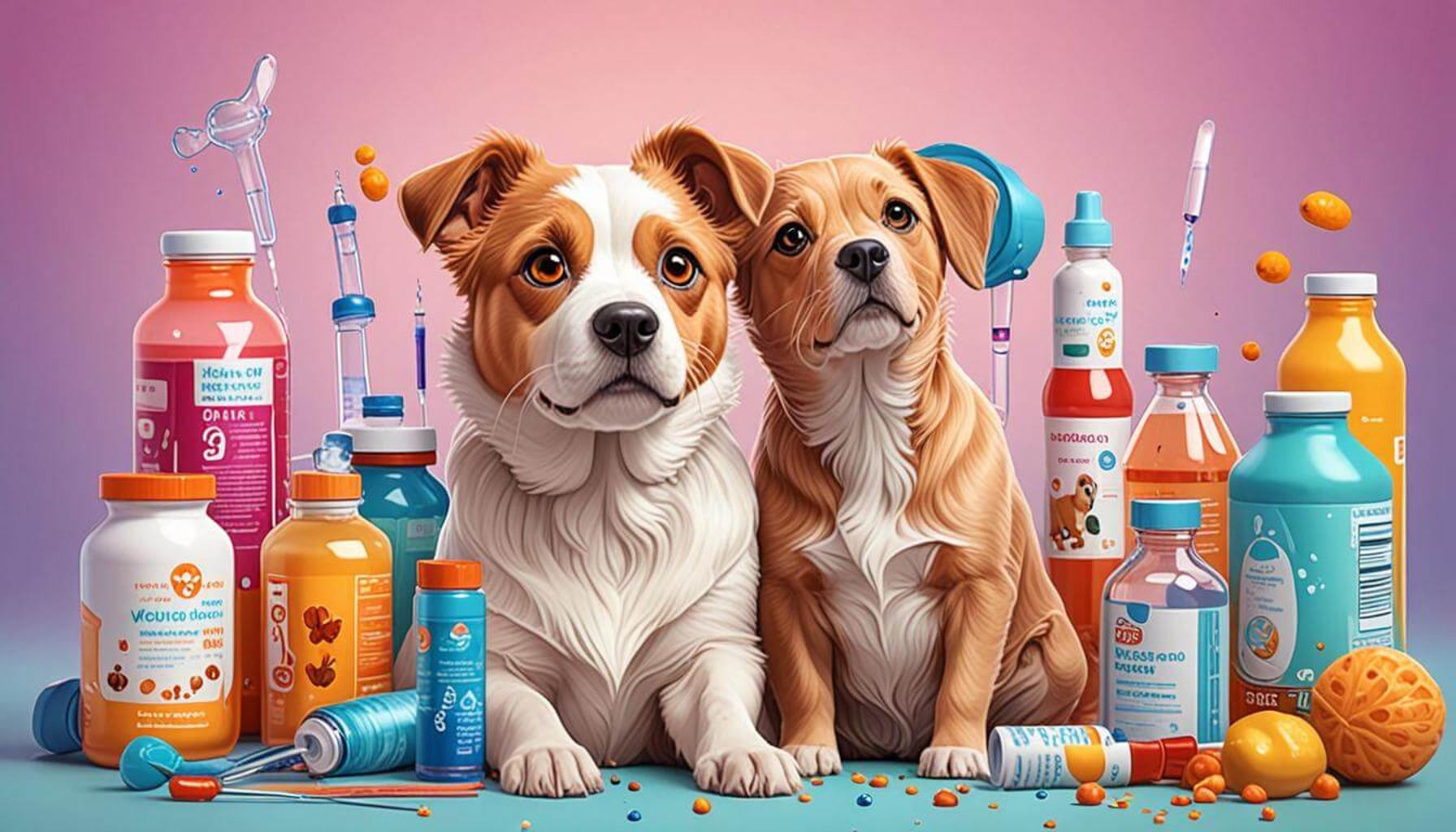
The Role of Vaccination in Pet Health
The health and longevity of our beloved pets often hinge on the decisions we make as responsible pet owners. One key aspect of pet care that significantly affects their well-being is vaccination. Ensuring that our pets receive appropriate vaccines requires understanding their importance and benefits.
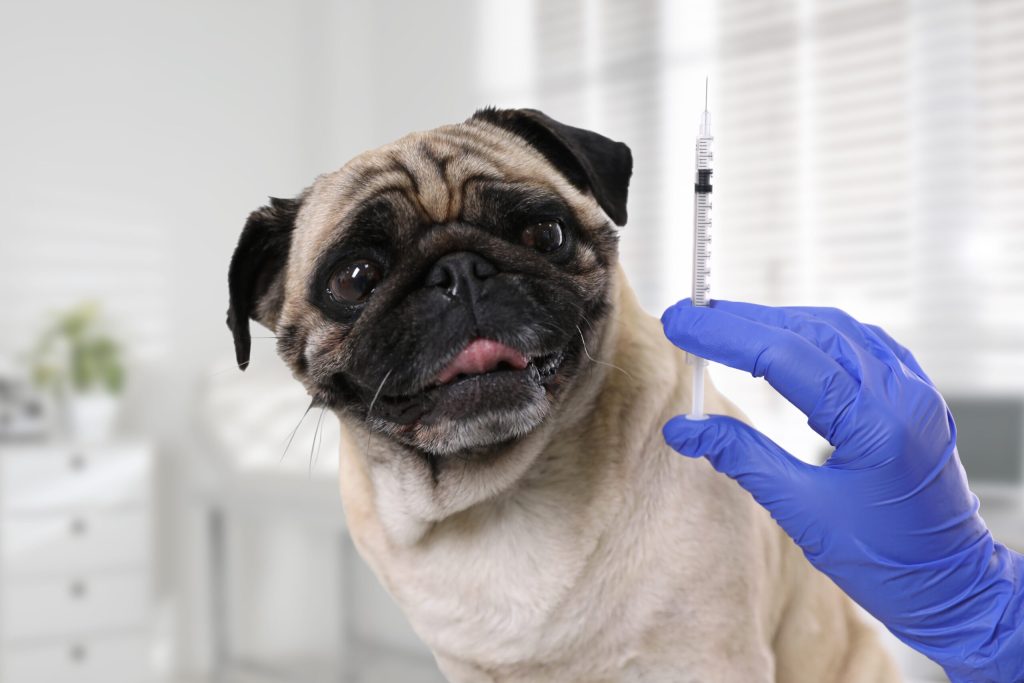
Vaccination serves as a crucial defense mechanism against various infectious diseases. These diseases can inflict severe health ramifications, leading to extended periods of suffering or in some cases, death. Vaccines perform by priming the immune system, thereby enabling pets to fight off diseases they could otherwise succumb to. Some common vaccinations include:
- Rabies: A lethal virus transmitted through the bite of infected animals, rabies poses a significant risk not only to pets but also to humans. Because rabies is almost universally fatal once symptoms manifest, vaccination is not only advisable but legally mandated in many states.
- Distemper: This contagious virus primarily affects dogs and can cause severe respiratory, gastrointestinal, and neurological issues. Symptoms may include vomiting, diarrhea, and even seizures, with many infected pets not surviving without prompt medical intervention.
- Feline Leukemia: A prevalent disease in cats, feline leukemia virus weakens the immune system, rendering affected pets susceptible to various infections and diseases. Vaccination is especially vital for outdoor cats, who have greater exposure to other animals.
By vaccinating pets, owners can enhance their quality of life and potentially prolong their lifespan. In fact, numerous studies indicate that vaccinated pets tend to have:
- Fewer hospital visits: Vaccination significantly reduces the incidence of preventable diseases, leading to fewer emergencies and veterinary visits.
- Improved overall health: Vaccines bolster the immune system, helping pets to better handle common infections and illnesses.
- Increased lifespan: Multiple studies show that vaccinated pets often enjoy longer, healthier lives, free from the challenges posed by preventable diseases.
Moreover, the concept of herd immunity plays a significant role in pet populations. When a larger percentage of the population is vaccinated, the likelihood of disease outbreaks diminishes, safeguarding even those pets who may not be vaccinated due to health issues. This collective responsibility can shape safer communities for pet owners and their furry companions alike.
As pet vaccination continues to evolve with advancements in veterinary medicine, it remains vital for pet owners to stay informed about vaccine schedules and requirements. In the coming sections, we will explore how specific vaccines impact various pet species and the broader implications for their health and longevity. Engaging with veterinary professionals to discuss tailored vaccination plans can facilitate better health outcomes for our loyal companions.
DISCOVER MORE: Click here for your complete guide to pet adoption
The Impact of Vaccination on Pet Longevity
The role of vaccinations in extending the lives of pets is a subject filled with research, anecdotal evidence, and evolving medical understanding. Many pet owners may not realize that regular vaccination can affect not just the health of their pets, but also their longevity. As pets age, their immune systems weaken, making them more susceptible to diseases. Vaccinating pets at appropriate intervals can help maintain a robust immune response, thus enhancing both their current health and future longevity.
Vaccines work by mimicking an infection, prompting the immune system to respond without causing the disease itself. This process leads to the production of antibodies, which means that in the event of actual exposure to a virus or bacteria, the immune system is better equipped to combat it. For instance, studies have shown that vaccinated dogs have a significantly lower risk of contracting parvovirus and distemper, two diseases known for their high mortality rates. Moreover, pet vaccination can also mitigate the long-term effects of a disease that could otherwise compromise a pet’s health long before their time.
Long-Term Health Benefits of Vaccination
The long-term health benefits of vaccination extend beyond merely avoiding illnesses; they play a critical role in maintaining a high quality of life for pets. Vaccination enhances overall well-being by providing protection against severe, potentially debilitating diseases. The following points underscore how vaccines can contribute to a pet’s lasting health:
- Enhancing Resistance: Vaccines bolster the immune system, making pets more resistant to infections and allowing them to recover more quickly if they do fall ill.
- Reducing Disease Transmission: By vaccinating pets, owners contribute to lowering the transmission of infectious diseases within the local population, thus protecting other animals in the community.
- Preventing Complications: Certain diseases, like parvovirus and hepatitis, can lead to chronic health problems in recovered pets. Vaccination decreases the likelihood of suffering such long-term complications.
Additionally, with the landscape of vaccine-preventable diseases shifting through emerging pathogens, staying vigilant on vaccination schedules is more essential than ever. For example, diseases such as Lyme disease and leptospirosis, once rare in certain areas, have become more widespread due to changes in climate, rodent populations, and pet travel habits. This evolving paradigm necessitates ongoing dialogue between pet owners and veterinarians regarding the most relevant vaccines for their pets.
The importance of tailored vaccination programs cannot be overstated. Each pet is unique in terms of age, breed, health history, and lifestyle, and a one-size-fits-all approach to vaccination may not be the most beneficial. Engaging with veterinary professionals to create a personalized vaccination strategy can yield optimal results and foster long-term health benefits for beloved pets.
The Influence of Vaccination on the Longevity and Health of Pets
Vaccination is a crucial component in maintaining the overall health and well-being of pets, significantly influencing their longevity. Vaccines protect pets from common yet deadly diseases such as parvovirus, distemper, and rabies. Without vaccinations, pets face a higher risk of contracting these illnesses, which can lead to severe health complications or even premature death. Studies show that vaccinated pets tend to live longer, healthier lives compared to their unvaccinated counterparts. The introduction of vaccines has effectively reduced the mortality rates associated with these diseases, allowing pets to thrive for many years.
Moreover, regular vaccinations enhance the quality of life for pets. Pets can engage more freely in activities like playing outdoors, socializing with other animals, and visiting parks. By protecting pets from infectious diseases, vaccinations also decrease the need for costly veterinary care associated with treating preventable illnesses. Pet owners often find that maintaining their pet’s vaccination schedule not only fortifies their furry friends’ immunity but ultimately contributes to their emotional and social well-being.
| Advantage | Details |
|---|---|
| Improved Lifespan | Vaccinations significantly extend the lives of pets by protecting them from lethal diseases. |
| Enhanced Quality of Life | Vaccinated pets experience fewer sickness episodes, allowing for greater social and interactive behavior. |
In addition to these benefits, vaccination plays a vital role in community health. When pets are vaccinated, they contribute to herd immunity, protecting other animals and even humans from disease transmission. Understanding the direct and indirect benefits of vaccination can motivate pet owners to stay vigilant regarding their pets’ vaccination schedules, further enhancing their loved ones’ health and longevity.
DISCOVER MORE: Click here to learn about essential nutrients for your pet’s health
Community Immunity and the Health of Pets
Beyond individual benefits, vaccination plays a crucial role in fostering community immunity. When a significant proportion of pets in a community are vaccinated, it creates a protective barrier that helps diminish the spread of infectious diseases. This concept is particularly important for vulnerable groups, such as elderly pets or those with preexisting health conditions. The collective defense from widespread vaccination can mean the difference between an outbreak and a healthy community.
For instance, outbreaks of parvovirus or rabies can devastate pet populations, but high vaccination rates can effectively prevent these situations. When fewer pets are at risk of transmitting these serious diseases, even those who are unvaccinated are better protected due to the decreased likelihood of exposure. Research suggests that vaccinations can reduce the incidence of rabies to near zero in areas with high compliance, showcasing the direct link between vaccination practices and public health.
The Economic and Emotional Benefits of Healthy Pets
The financial implications of unhealthy pets due to preventable diseases cannot be ignored. Treating illnesses that arise from lack of vaccination can be significantly more costly than keeping up with routine vaccinations. For example, a single incident of a pet contracting parvovirus can lead to treatment costs ranging from hundreds to thousands of dollars, alongside the potential emotional distress for pet owners witnessing their beloved companions suffer.
Moreover, keeping pets healthy through vaccination means prolonging the time they can spend with their families. Healthy pets contribute to the emotional well-being of their owners, encouraging physical activity and companionship that enhances quality of life. In the United States, a pet’s unconditional love can significantly improve mental health, especially in times of emotional distress. The relationship between human and animal wellness is well documented, reinforcing the argument that keeping pets healthy through vaccination not only benefits the animals but also uplifts their human companions.
Vaccine Development and Emerging Trends
As veterinary medicine continues to evolve, the development of new vaccines remains a priority. The emergence of new pathogens, alongside changing environments, challenges veterinarians and researchers alike. Vaccines are now being designed to cover a broader range of diseases, including those like kennel cough (Bordetella) and canine influenza, which have gained traction over recent years. Additionally, vaccinations for diseases like Lyme disease have become increasingly critical, particularly in areas where ticks are prevalent.
The growing trend of using combination vaccines has also gained popularity. These vaccines can protect against multiple diseases in a single shot, making the process easier for both pets and their owners. Combination vaccines streamline veterinary visits, lessening the stress on pets and providing pet owners with an efficient solution to their vaccination needs.
Ultimately, the influence of vaccination on the longevity and health of pets cannot be overstated. As new studies emerge and technology progresses, pet owners must remain informed and engaged in their pets’ health care. Regular consultations with veterinary professionals will ensure the development of effective vaccination protocols tailored to each pet’s needs, enhancing their quality of life and extending their years by our side.
DISCOVER MORE: Click here to learn about the adoption process
Conclusion
In summary, the influence of vaccination on the longevity and health of pets is a multifaceted topic that underscores the critical importance of preventive care in veterinary medicine. Vaccinations not only offer substantial advantages at an individual level—protecting pets from severe diseases—but also serve as a pivotal component in safeguarding public health through community immunity. The collective action of vaccinating pets contributes to the reduction of transmissible diseases, thus enhancing the overall health of communities and shielding vulnerable populations.
Moreover, the economic implications cannot be overlooked. The cost of treating preventable diseases often far exceeds the investment in routine vaccinations. By maintaining a vaccination schedule, pet owners can significantly reduce both financial and emotional burdens associated with pet health crises. The bond between pets and their owners is invaluable, and ensuring pets remain healthy through preventive measures fosters harmony and happiness within families.
As the landscape of veterinary health continues to evolve, with new vaccines adapting to emerging pathogens, staying informed about vaccination trends is crucial. Pet owners should engage with veterinary professionals to tailor vaccination protocols that suit the specific needs of their furry companions. This proactive approach not only enriches the lives of pets but also elevates the shared experiences of joy, companionship, and well-being for families across the United States. Let us honor the love and loyalty of our pets by prioritizing their health through vaccination, paving the way for longer, healthier lives by our sides.