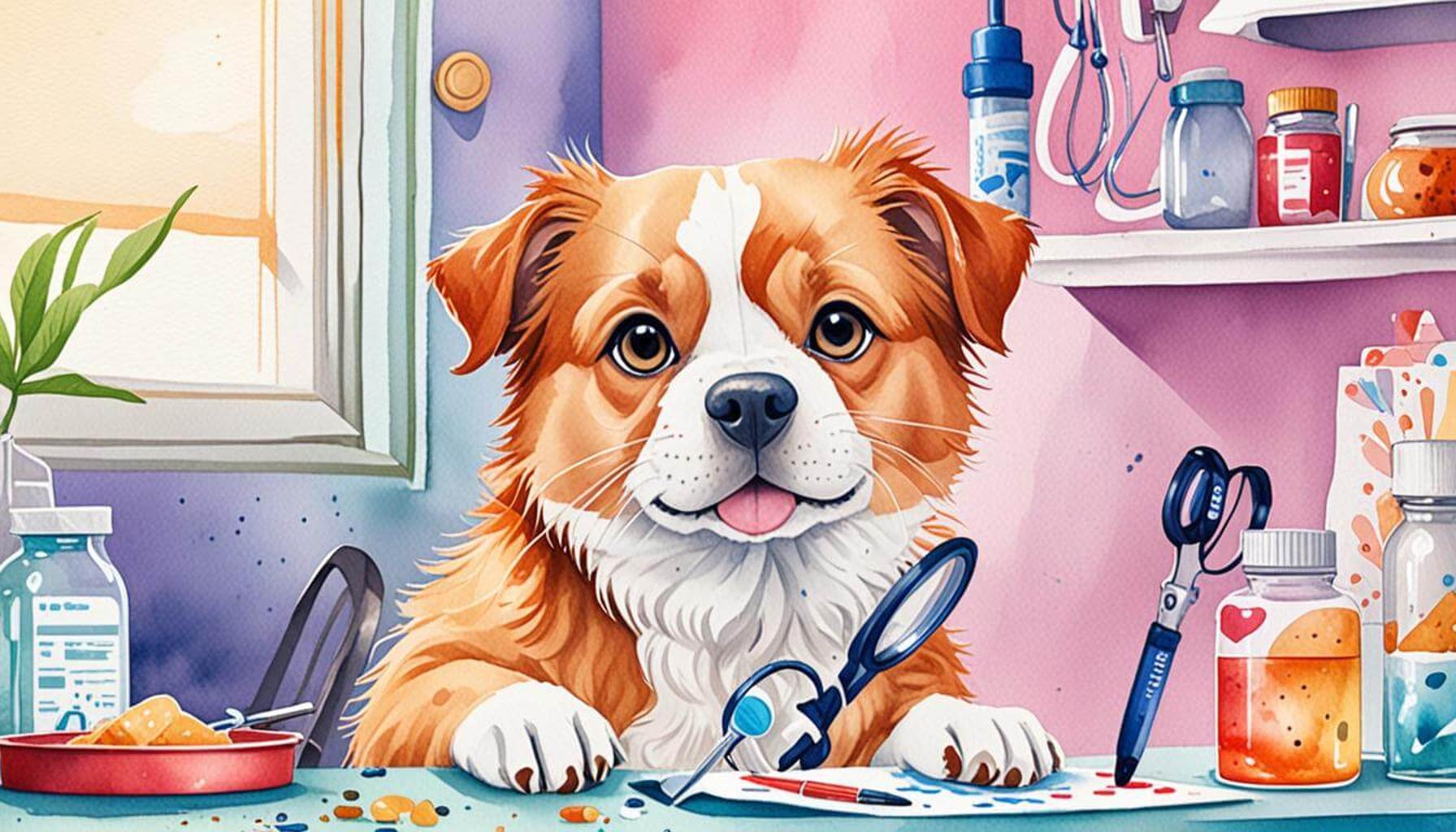
The risks of zoonotic diseases: how to protect your health and that of your pet

The Significance of Zoonotic Diseases
Zoonotic diseases present a pressing global health challenge, affecting not only humans but also wildlife and livestock. These diseases arise when pathogens—bacteria, viruses, or parasites—jump from animals to humans, often due to increased human-animal interactions. The Centers for Disease Control and Prevention (CDC) has found that over 60% of infectious diseases affecting humans originate from animals, underscoring the vital importance of understanding this issue. In recent years, factors such as climate change, urbanization, and globalization have exacerbated the risks associated with zoonotic transmission, making it more crucial than ever to educate the public on prevention strategies.
Key Examples of Zoonotic Diseases
- Lyme disease: This illness is transmitted through the bites of infected ticks, which are commonly found in wooded or grassy areas. Lyme disease can lead to serious complications, including neurological and cardiac problems if left untreated. Awareness of tick habitats and protective clothing can help mitigate risks.
- West Nile Virus: Primarily spread by mosquitoes, this virus can infect both humans and household pets, leading to potentially severe neurological diseases. High-risk seasons usually occur in late summer and early autumn when mosquitoes are most active. Residents are encouraged to take measures such as using insect repellent and eliminating standing water to prevent mosquito breeding.
- Salmonella: Often associated with reptiles, but also linked to contaminated food, salmonella can cause severe gastrointestinal illness in humans. Ensuring that food is properly cooked and practicing good hygiene when handling food and pets can prevent infection.
- Rabies: This fatal virus affects mammals and is often transmitted through bites. Pets, especially unvaccinated dogs and cats, are at risk. Rabies vaccination and immediate medical attention following potential exposures are critical for prevention.
The impact of zoonotic diseases extends far beyond individual health; they can disrupt communities, economies, and ecosystems. The emergence of new zoonotic pathogens, as seen in the COVID-19 pandemic, illustrates the interconnectedness of human, animal, and environmental health. Therefore, a comprehensive approach that includes surveillance, education, and research is essential.
Protecting Yourself and Your Pet
Knowledge of potential risk factors is essential for prevention. Implementing the following strategies can be quite effective:
- Regular veterinary check-ups: Frequent visits to a veterinarian can help ensure that pets are healthy, vaccinated, and free from zoonotic diseases. Vaccination against diseases like rabies is crucial for both pet safety and public health.
- Hygiene practices: Simple hygiene steps, such as washing hands thoroughly after handling pets or cleaning their litter boxes, are effective in reducing disease transmission. It is also important to regularly clean and disinfect areas where pets spend time.
- Pest control: Using tick and flea preventatives is essential for reducing the risk of tick-borne diseases. Additionally, maintaining a clean yard by removing organic debris can eliminate mosquito breeding sites.
Remaining informed and vigilant about zoonotic diseases can greatly reduce risks for both humans and animals. Further research and public health initiatives will continue to play a critical role in managing these health threats, promoting a healthier coexistence between humans and animals. By adopting these protective measures and staying informed, communities can work together to mitigate the spread of zoonotic diseases effectively.
DISCOVER MORE: Click here to learn about the best food for your furry friend
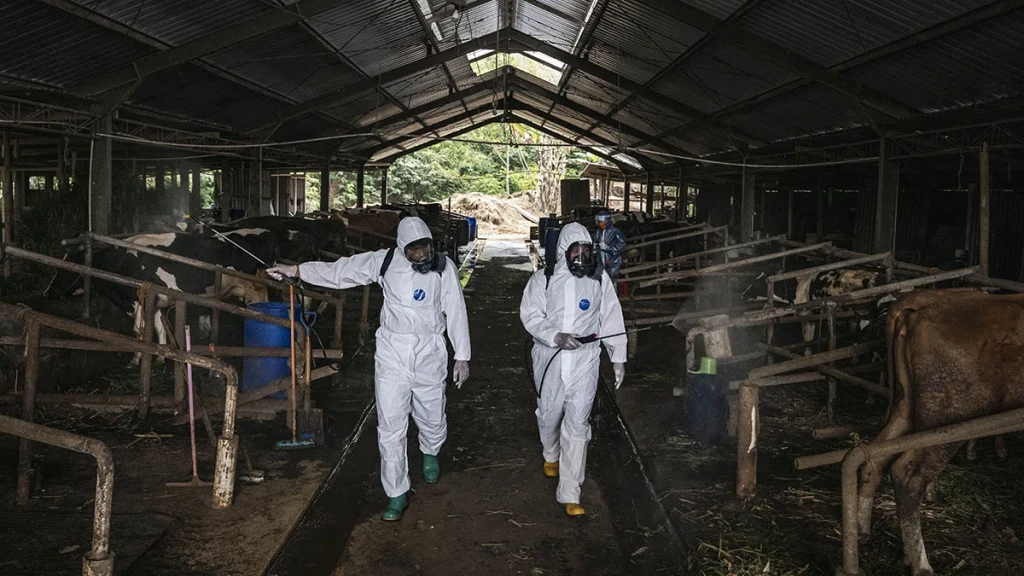
Understanding Zoonotic Risks and Their Consequences
Zoonotic diseases represent a significant and often underappreciated dimension of public health concerns in the United States. With rising cases each year, the likelihood of humans contracting illnesses from animals is influenced by various factors, including environmental changes, animal behavior, and human practices. The Centers for Disease Control and Prevention (CDC) highlights that in addition to the 60% of infectious diseases stemming from animals, many of these zoonotic diseases can lead to severe public health emergencies. The spread of these diseases can be rapid, especially in densely populated areas where humans and animals intermingle closely. Understanding the intricate web of interactions that enable these diseases to spread is crucial.
Factors Increasing Zoonotic Disease Transmission
- Urbanization: As cities expand, wildlife habitats are encroached upon, pushing animals into closer contact with humans. This creates new avenues for zoonotic pathogens to transfer.
- Climate Change: Fluctuations in climate conditions have been linked to shifts in animal migration patterns, allowing vectors such as mosquitoes and ticks to thrive in previously inhospitable environments, thereby increasing the risk of diseases like West Nile Virus and Lyme disease.
- Global Trade and Travel: The rapid movement of people and goods can facilitate the spread of zoonotic diseases across borders. Outbreaks can emerge unexpectedly as seen with the recent epidemic of COVID-19.
The risks of these diseases are not just theoretical; they have real implications for health care systems, economies, and daily life. For instance, during outbreaks, medical resources may become strained, and communities may face quarantines disrupting local economies and daily routines. The mental health impact can also be considerable, as fear of disease can affect community morale and lead to social stigma regarding animals, particularly pets.
Assessing Zoonotic Risk in Pets
Pet ownership inherently involves considerations regarding zoonotic diseases. While dogs and cats provide companionship and joy, they also can serve as vectors for pathogens. Certain pets, especially reptiles and exotic animals, have been shown to carry zoonotic diseases that can easily spread to humans. Therefore, it is essential to recognize the specific risks associated with different types of pets.
- Reptiles: Turtles, lizards, and snakes can carry salmonella bacteria, which can lead to gastrointestinal infections in humans.
- Dogs and Cats: A variety of diseases, including ringworm or leptospirosis, can be transmitted from pets to humans. Regular veterinary visits, appropriate vaccinations, and preventive measures are crucial.
By understanding these risks, pet owners can take proactive steps to safeguard both their health and that of their furry companions. Preventative measures and awareness are vital components in reducing the prevalence of zoonotic diseases and ensuring a healthier living environment for everyone involved.
| Prevention Strategies | Health Benefits |
|---|---|
| Regular Veterinary Check-ups | Early detection of zoonotic diseases can lead to effective treatment strategies for both pets and humans. |
| Good Hygiene Practices | Maintaining a clean environment reduces the transmission of bacteria and viruses from pets to humans. |
| Vaccination | Vaccinations for pets shield against diseases that may transfer to humans, creating a healthier household. |
| Proper Handling of Pets | Safeguarding interactions mitigates risks of biting or scratching, decreasing the likelihood of disease transmission. |
Zoonotic diseases represent a significant health risk to both animals and humans, emphasizing the importance of understanding prevention strategies. Regular veterinary check-ups are essential as they facilitate early detection of zoonotic diseases, allowing for timely intervention that can safeguard both pets and owners. Moreover, adhering to good hygiene practices, such as washing hands after handling pets, can dramatically reduce disease transmission.Vaccination is another critical measure. Vaccinating pets against various diseases not only protects their health but also contributes to the overall wellness of the family. Moreover, responsible pet handling—ensuring safe interactions—can limit the risks associated with bites or scratches, which are common gateways for disease transmission. Understanding these prevention strategies is vital for a healthier coexistence with your pets, and adopting these practices can significantly lower the risks associated with zoonotic diseases.
LEARN MORE: Click here to discover the adoption process
Implementing Effective Strategies to Mitigate Risks
To safeguard against zoonotic diseases, proactive measures and comprehensive strategies are essential. Public health authorities, veterinarians, and pet owners must collaborate to reduce the chances of transmission between animals and humans. Effective strategies can vary widely, reflecting the diversity of risk factors, but several best practices have emerged as universally effective.
Maintaining Good Hygiene Practices
Hygiene is one of the most critical factors in preventing the spread of zoonotic diseases. Both pet owners and individuals who work with animals should maintain strict hygiene standards.
- Handwashing: Regular handwashing with soap and water after handling pets and cleaning their living spaces is vital. This simple act can significantly reduce bacterial and viral transmission.
- Cleaning Pet Areas: Regularly cleaning and disinfecting areas where pets live and play can help keep infectious agents at bay. This includes washing bedding, toys, and other items.
- Food Safety: Properly handling pet food and maintaining clean feeding areas are essential. Avoid cross-contamination by using separate utensils for pet and human food preparation.
Regular Veterinary Check-ups and Vaccination
A key component in preventing zoonotic diseases is ensuring that your pets receive regular veterinary check-ups and vaccinations. Veterinarians play a critical role in identifying early signs of possible zoonotic infections.
- Routine Screening: Regular screenings can detect diseases like leptospirosis or Lyme disease long before symptoms occur. Early intervention can save both human and animal lives.
- Vaccination: Keeping pets up to date on their vaccinations protects them from preventable diseases and, in many cases, decreases the likelihood of transmission to humans.
Education and Awareness
Raising awareness and educating pet owners about the risks associated with zoonotic diseases is essential. Understanding how to manage the risks can empower individuals to take necessary precautions.
- Community Programs: Local health departments and veterinary clinics often run educational programs on zoonotic diseases, offering guidance on protecting both human and pet health.
- Identifying Symptoms: Knowing the signs of common zoonotic diseases can prompt quicker action if illness is suspected in pets or humans, potentially mitigating further spread.
Environmental Considerations
In addition to direct pet care, the environment plays a significant role in controlling zoonotic diseases. Pet owners and communities can take steps to minimize risks posed by wildlife and vectors.
- Vector Control: Implementing measures to control populations of mosquitoes, ticks, and fleas—common carriers of zoonotic pathogens—can significantly reduce risks of diseases such as Zika or Rocky Mountain spotted fever.
- Safe Sanctuaries: Responsible pet owners should avoid allowing pets to roam freely in high-risk areas where wildlife may be present, reducing the chances of pets contracting diseases.
Through a combination of hygiene practices, regular veterinary care, education, and environmental management, individuals can fortify their defenses against zoonotic diseases, thus ensuring not only personal health but also the well-being of their pets. Emphasizing a holistic approach not only enhances awareness but fosters community resilience against these complex health threats.
EXPLORE MORE: Click here to learn about the adoption process
Conclusion
The rising concern surrounding zoonotic diseases emphasizes the vital need for awareness and action among pet owners and the broader community. As we navigate our daily lives intertwined with our furry companions, understanding the potential risks and adopting effective protective measures becomes imperative for our well-being and that of our pets.
By implementing rigorous hygiene practices, scheduling regular veterinary check-ups, and staying informed through educational initiatives, we can significantly reduce the likelihood of disease transmission. Moreover, addressing environmental factors, such as controlling vectors and promoting safe outdoor practices, allows us to create a healthier ecosystem for all species involved.
The collaboration between pet owners, veterinarians, and public health entities is essential in combating the threat of zoonotic diseases. As we grapple with these intricate health challenges, it is crucial to remember that informed and proactive strategies not only safeguard our homes but also contribute to a greater community resilience. Let us take the time to educate ourselves and each other, recognizing that protecting our pets ultimately protects our own health, leading us towards a safer and healthier future for all.
Stay vigilant, stay informed, and foster a nurturing environment to mitigate the risks of zoonotic diseases. For those interested in exploring more about this topic, numerous resources are available, including local health departments and veterinary clinics, offering valuable knowledge and practical advice.