
How to Deal with Common Allergies in Pets

Understanding Allergies in Pets
Allergies in pets are a growing concern among pet owners in the United States. Recognizing the signs and symptoms is crucial for their health and well-being. Often, pets can suffer from various allergens, ranging from environmental factors to food sources. These allergies not only cause discomfort and pain but can also lead to more severe health issues if left untreated.
Common Types of Allergies
There are several common allergies that affect our furry friends. Understanding these allergies is key in providing timely care and relief:
- Environmental Allergies: This category includes allergens such as pollen from grass, trees, and weeds, dust mites lurking in your home, and mold spores that flourish in damp areas. Pets exposed to these allergens may experience chronic itching and skin infections, particularly during peak seasons when these allergens are prevalent.
- Food Allergies: Food allergies can arise from common ingredients, such as beef, chicken, dairy, or grains like wheat and corn. When affected, pets often suffer from gastrointestinal issues, and symptoms may not show until after several food exposures. Transitioning to a hypoallergenic diet can sometimes relieve these symptoms, and consulting with a veterinarian for appropriate food options is often recommended.
- Flea Allergies: An allergic reaction to flea saliva is particularly concerning. Even a single bite can cause excessive itching and lead to skin damage from constant scratching. Treating your pet for fleas consistently and keeping their environment clean is essential for prevention.
Understanding these allergies can help you manage your pet’s symptoms effectively. Many pets display signs such as:
- Itchy skin or excessive scratching: This is often the first noticeable sign of allergy issues. Pets may bite or scratch at their skin, leading to sores or infections.
- Digestive issues like vomiting or diarrhea: Food allergies can manifest as gastrointestinal distress, making it difficult for owners to identify the cause.
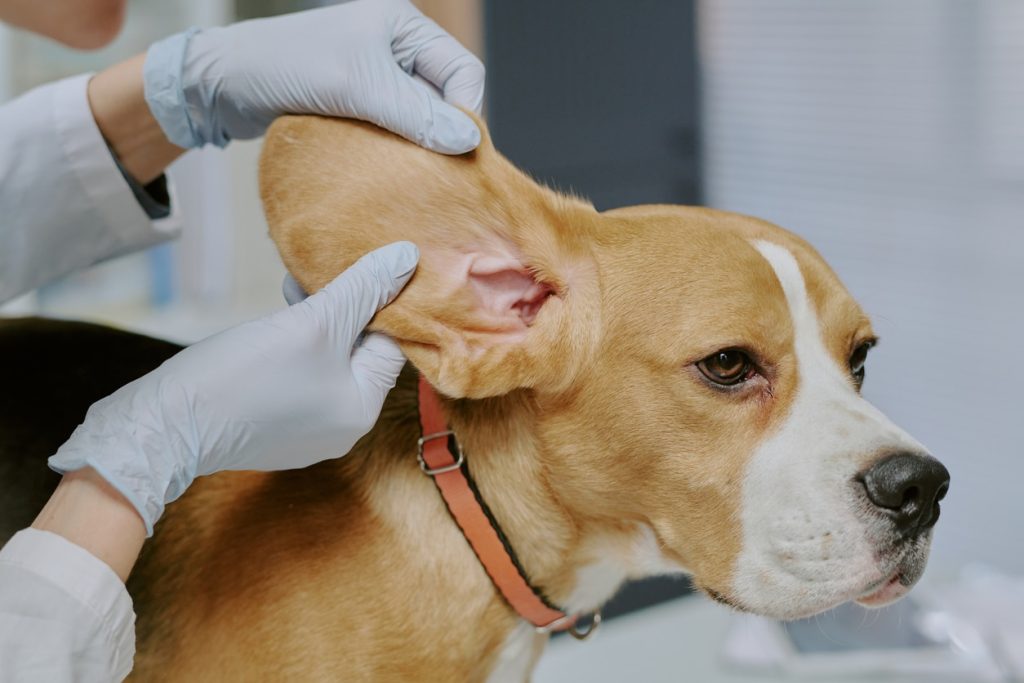
- Ear infections or inflammation: Pets suffering from allergies may show signs of ear discomfort, including shaking their heads or scratching at their ears, often leading to chronic infections.
By being aware of these indicators, you can take proactive steps to alleviate your pet’s discomfort. Environmental changes, such as regular cleaning to minimize dust and the use of air purifiers, can mitigate exposure to allergens. In addition, grooming your pet frequently can help remove allergens that cling to their coat.
In this article, we will explore practical solutions, ranging from dietary adjustments to environment modifications, that will help you better manage your pet’s allergies. Knowing when to seek veterinary help is essential. In some cases, your veterinarian may recommend allergy testing or prescribe medications to provide relief. Being informed is the first step towards ensuring a happier and healthier life for your beloved pets.
LEARN MORE: Click here to discover the importance of protecting your pets’ health
Effective Management Strategies for Pet Allergies
Dealing with allergies in pets can be a challenging endeavor for pet owners. Understanding how to manage these often chronic conditions is vital to ensure your furry friends lead a comfortable and healthy life. The good news is that there are several strategies you can adopt to alleviate the symptoms of common allergies in pets, ranging from environmental adjustments to dietary modifications.
Environmental Control Measures
One major factor contributing to environmental allergies is the presence of allergens in your home and surrounding areas. Reducing exposure to allergens can significantly improve your pet’s quality of life. Here are a few key strategies:
- Regular cleaning: Frequent vacuuming of carpets, furniture, and pet bedding can help minimize dust mites and dander accumulation. Using a vacuum cleaner with a HEPA filter can enhance effectiveness in trapping allergens.
- Bathing your pet: Regularly bathing your pet with hypoallergenic or medicated shampoos can help remove allergens from their coat. Always use lukewarm water and consult your veterinarian on the frequency suitable for your pet’s breed and skin type.
- Air purification: Utilizing air purifiers can aid in filtering out allergens like pollen and dust particles from the home environment. Consider placing them in areas where your pet spends the most time.
Moreover, avoiding outdoor exposure during peak pollen counts—usually early mornings and windy days—can help alleviate symptoms for pets with seasonal allergies. Keeping your windows closed during these times can also reduce allergen entry into your home.
Dietary Considerations
Diet plays a crucial role in managing food allergies, which are typically less obvious than environmental allergies. If you suspect your pet suffers from a food allergy, transitioning to a specialized diet may be necessary. Here are some steps to consider:
- Elimination diets: Work with your veterinarian to perform an elimination diet, removing potential allergens from your pet’s meals for a few weeks before gradually reintroducing them to identify the culprits.
- Hypoallergenic food options: These diets are carefully formulated to contain less common protein sources and carbohydrates that are less likely to trigger allergic reactions. Consult your vet for suggestions tailored to your pet’s needs.
- Monitoring reactions: Keep track of your pet’s reactions to different foods and ingredients. Documenting changes in behavior, digestion, and skin conditions can help identify further food sensitivities.
Incorporating these strategies into your routine may require time and patience, but the rewards of seeing your pet thrive without the interference of allergies are well worth the effort. As you navigate this journey, remember that regular veterinary consultations are essential to ensure you are taking the best approach tailored to your pet’s individual needs. Addressing their allergies proactively can greatly enhance their overall happiness and health.
Understanding Common Allergies in Pets
Allergies in pets are a common issue that many pet owners face, with symptoms ranging from itching and scratching to respiratory problems. Understanding the underlying causes is crucial for effective management. Environmental allergens, such as pollen, mold, and dust mites, are prevalent culprits that can trigger a reaction. Additionally, some pets may have food allergies, commonly related to ingredients like beef, chicken, or grains. Identifying these allergens can be a complex process, often requiring an elimination diet or allergy testing.
Types of Allergies in Pets
The most common allergies in pets are flea allergies, which result from flea bites and can lead to severe discomfort. Contact allergies can arise from direct skin contact with certain materials or chemicals, creating localized reactions. Conversely, seasonal allergies are triggered by environmental changes and may be seen during specific times of the year, when pollen levels spike.
Managing Allergies Effectively
Addressing these allergies goes beyond just identifying the cause. It often involves a combination of lifestyle adjustments, dietary changes, and veterinary assistance. Regular grooming can remove allergens from your pet’s fur, while keeping living environments clean can help minimize exposure. For more severe cases, medications such as antihistamines or corticosteroids may be necessary to provide relief. Always consult your veterinarian before starting any treatment plan to ensure it’s appropriate for your pet’s specific needs.
Exploring Natural Remedies
In addition to conventional treatment options, many pet owners seek natural remedies that could alleviate allergy symptoms. Omega-3 fatty acids, for example, are known for their anti-inflammatory properties and can help improve skin health. Furthermore, the incorporation of probiotics into your pet’s diet may enhance their immune system, making them less prone to allergic reactions. However, it is essential to discuss these alternatives with a veterinarian to ensure safety and effectiveness.
| Category 1 | Category 2 |
|---|---|
| Allergies Trigger Sources | Pollen, fleas, food ingredients |
| Symptoms | Itching, sneezing, inflammation |
By being proactive and informed about how to deal with common allergies in pets, you can ensure a happier and healthier life for your furry friends. Whether it be through environmental management, dietary changes, or exploring veterinarian-approved alternatives, knowledge is key in combatting this prevalent issue.
DISCOVER MORE: Click here to learn about the importance of socialization for your pets
Innovative Treatments and Solutions for Pet Allergies
While environmental control measures and dietary changes are crucial in managing pet allergies, there are an array of innovative treatments and solutions available that can provide additional relief. Pet owners seeking to explore these options should consult their veterinarians for tailored advice, ensuring their pets receive the most effective care.
Medications for Symptom Relief
Veterinarians often prescribe medications to help alleviate allergy symptoms. These medications are designed to address the underlying causes of discomfort. Here are some common options:
- Antihistamines: These medications can be useful in treating mild allergy symptoms in pets. Similar to those used for humans, antihistamines work by blocking the effects of histamine, which contributes to allergic reactions. Popular choices include diphenhydramine (Benadryl) and cetirizine (Zyrtec). However, it is essential to consult your vet for appropriate dosages and to ensure safety for your pet.
- Corticosteroids: In cases of severe inflammation or itching, corticosteroids such as prednisone may be prescribed for short-term use. These drugs are effective at reducing inflammation and immune responses but should be monitored closely due to potential side effects with long-term use.
- Immunotherapy: This groundbreaking approach involves gradually desensitizing pets to specific allergens through controlled exposure. The process is initiated by conducting an allergy test to pinpoint allergens, followed by custom-tailored injections or oral drops given over several months.
Alternative Therapies
In addition to conventional medications, many pet owners are turning to alternative therapies to help manage allergies. These treatments often focus on holistic approaches that can complement traditional methods:
- Acupuncture: This ancient practice can relieve allergy symptoms by promoting balance within the body and alleviating discomfort. While scientific studies are still evolving, many pet owners report positive results from acupuncture sessions.
- Herbal remedies: Certain herbal supplements, such as omega-3 fatty acids, can promote skin health and reduce inflammation related to allergies. Always consult your vet before introducing new supplements to your pet’s routine.
- Probiotics: Emerging research suggests a healthy gut microbiome can improve the immune system’s response to allergens. Incorporating probiotics into your pet’s diet may help mitigate allergic reactions and improve overall health.
Regular Vet Visits
Regular veterinary check-ups are essential for managing your pet’s allergies effectively. These visits not only allow your vet to monitor your pet’s condition but also provide opportunities to adjust treatments as necessary. Your veterinarian can offer valuable insights and recommendations based on your pet’s unique needs and responses to treatments.
Furthermore, during these visits, discussing any behavioral changes or new symptoms can lead to the premature identification of allergens, enhancing your approach to managing allergies. Pet owners should never hesitate to seek professional guidance, as well-informed decisions can greatly enhance their pet’s well-being.
By integrating various treatment methods alongside environmental and dietary adjustments, you are better equipped to tackle common allergies in pets. Exploring innovative treatments combined with consistent veterinary care can create a significant impact, ensuring your furry companions enjoy a healthy, happy life free from the discomfort of allergies.
DIVE DEEPER: Click here for essential pet health tips
Conclusion: Ensuring a Healthier Life for Your Pets
Managing common allergies in pets is an essential responsibility for pet owners aiming to enhance their furry companions’ comfort and overall health. Allergies can manifest in various forms, including skin irritations, gastrointestinal upset, and respiratory issues. Identifying and understanding these symptoms can be pivotal in ensuring your pet remains happy and active. For example, if your dog is frequently scratching or your cat has persistent sneezing, these may indicate underlying allergies that require attention.
Implementing environmental control measures is a vital initial step. This can include frequent cleaning to reduce dust and other allergens, using air purifiers, and providing hypoallergenic bedding. Additionally, considering dietary changes may be necessary, particularly if food allergies are suspected. Work with your veterinarian to explore options like limited ingredient diets or specialty foods designed to minimize allergic reactions. Such dietary adjustments can dramatically improve your pet’s well-being and nutrition.
Regular veterinary check-ups are integral to monitoring your pet’s health and adjusting treatment plans as needed. This proactive approach can involve medications such as antihistamines, which work to alleviate allergic reactions, and immunotherapy, a long-term strategy aimed at desensitizing pets to specific allergens. Alongside these conventional methods, alternative treatments such as acupuncture and probiotics have gained popularity. These options can enhance your pet’s immune system and provide relief, creating a holistic approach to allergy management.
Moreover, advocating for your pet during regular vet visits can facilitate timely interventions when new symptoms appear. Keeping a detailed record of behaviors and health changes can aid your veterinarian in making informed decisions regarding your pet’s treatment options. This collaborative effort can result in more effective therapies and a happier, more active pet. Ultimately, allergies need not dictate your furry friend’s life. By dedicating the time and effort to create a supportive environment, you can ensure your pet thrives, free from the burdens of allergies and enjoying life to the fullest.