
Pet Dental Hygiene Care
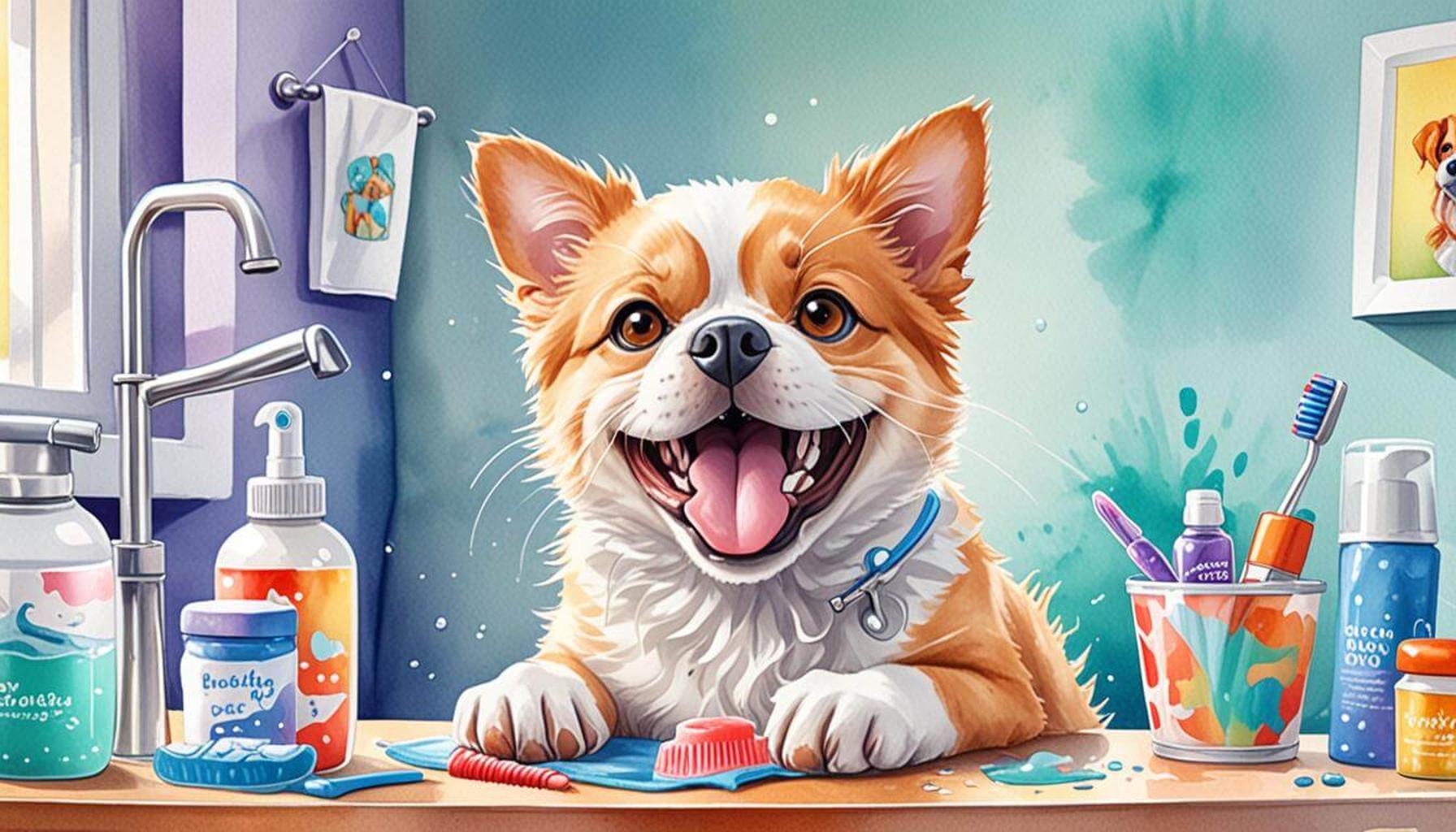
Understanding Pet Dental Hygiene Care
Just like humans, pets require regular dental care to maintain their overall health. It’s an often-overlooked aspect of pet ownership, yet proper dental hygiene can prevent serious health issues down the line. Many pet owners are unaware that dental disease is one of the most common health problems among dogs and cats. Without proper care, plaque can harden into tartar, leading to gum inflammation and infection.
According to the American Veterinary Medical Association, 70% of cats and 80% of dogs exhibit signs of periodontal disease by age three. This alarming statistic highlights the necessity for proactive dental care. Just like us, pets can suffer from a range of dental diseases if their hygiene is neglected. Plaque buildup not only leads to gum disease but can also cause bad breath, which is often the first sign that dental care is needed.
The Importance of Pet Dental Hygiene
Here are some important reasons to prioritize your pet’s dental hygiene:
- Prevention of Pain: Dental disease can lead to painful infections and tooth loss, which ultimately affects a pet’s ability to eat and enjoy its food. A simple abscessed tooth can cause excruciating pain and lead to behavioral changes in your furry friend.
- Overall Health: Poor dental hygiene can affect your pet’s organs, including the heart and kidneys. Bacteria from oral infections can enter the bloodstream, potentially leading to endocarditis, a serious heart infection, or increased kidney workload.
- Quality of Life: Healthy teeth and gums enhance your pet’s quality of life, allowing them to enjoy eating, playing, and spending time with family. Pets with oral discomfort may become withdrawn and less active, which can lead to obesity or other health problems.
Effective Dental Care Routines
Many pet owners might wonder how to effectively care for their furry friends’ dental health. Thankfully, pet dental hygiene is achievable with simple routines. Regular vet check-ups and at-home treatments can help keep your pet’s mouth healthy and vibrant. Vet visits often include professional cleanings that are crucial, as some tartar buildup can’t be removed at home.
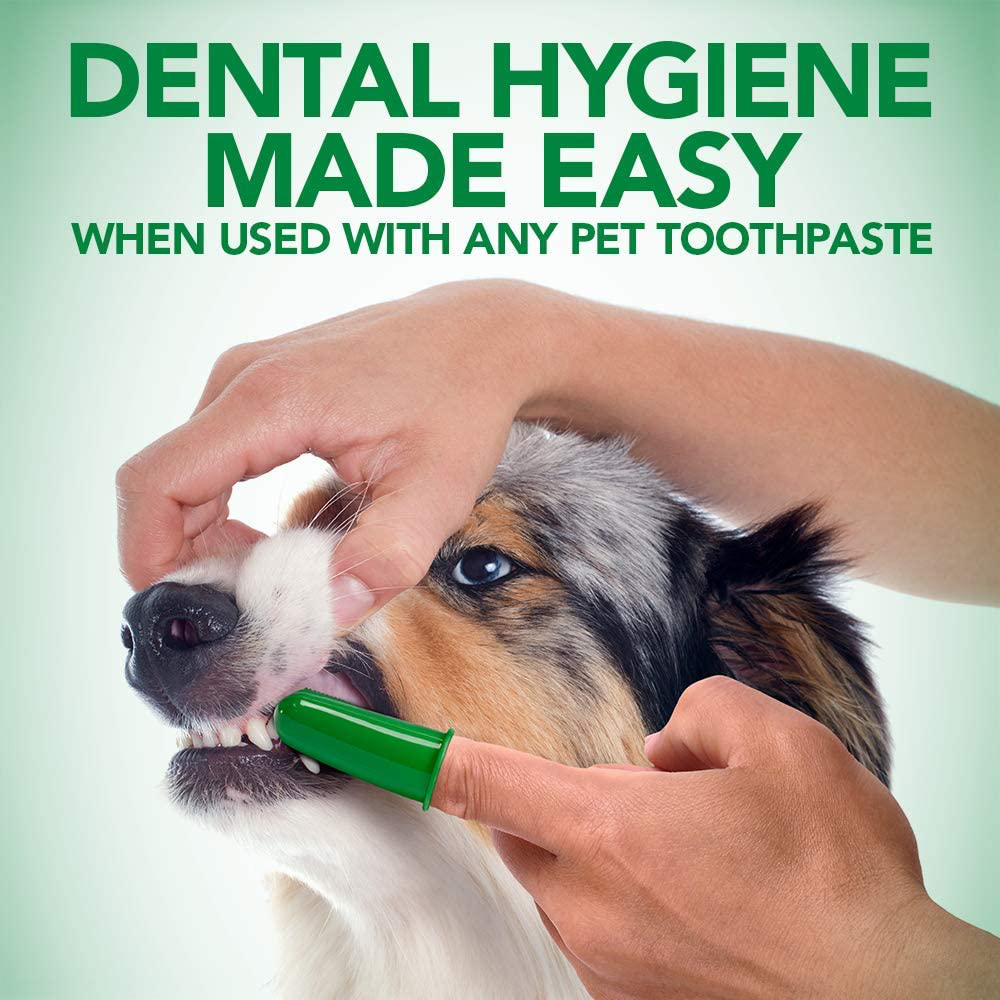
At-home dental care is vital and should include daily brushing of your pet’s teeth using a toothbrush and toothpaste specifically designed for pets. Consider introducing dental treats or chew toys that help reduce plaque and tartar buildup. According to the Veterinary Oral Health Council, choosing products with their stamp of approval can ensure effectiveness.
In this article, we will explore essential methods of pet dental hygiene care, from daily brushing to professional cleanings. Get ready to make dental health an integral part of your pet’s overall well-being!
It is essential for pet owners to remain vigilant about their pets’ oral health, recognizing any signs of trouble early on. Observing changes in behavior, activity level, or eating habits can lead to timely interventions, ensuring a longer lifespan and a happier pet.
LEARN MORE: Click here for helpful tips and inspiring stories!
Implementing a Regular Dental Care Routine
Establishing a consistent dental care routine for your pet is crucial for preventing severe dental issues. Just as humans benefit from brushing their teeth daily, your pets will also thrive with regular attention to their oral health. The process starts with simple routines that can integrate seamlessly into your daily schedule.
Daily Brushing is the cornerstone of effective pet dental hygiene. Ideally, you should aim to brush your pet’s teeth every day. Using a toothbrush and toothpaste formulated specifically for pets is essential, as human toothpaste can be toxic to them. Many pet stores offer a variety of flavors, making it easier to find one that your pet enjoys. When introducing brushing, start slowly to help your pet get accustomed to the sensation. Gradually increase the duration and intensity of the brushing sessions to make them more effective.
Regular Vet Checkups are equally important for maintaining your pet’s dental health. Veterinarians can perform thorough examinations and cleanings that may not be achievable at home. These professional cleanings typically occur once a year or as recommended by your veterinarian based on your pet’s specific needs. It’s important to adhere to these recommendations, as early detection of dental issues can significantly improve the prognosis and reduce the need for extensive treatments later on.
Dental Treats and Chew Toys
Incorporating dental treats and chew toys into your pet’s routine can make a significant difference in their dental health. These products are designed to help reduce plaque and tartar buildup while also satisfying your pet’s natural urge to chew. Look for treats approved by the Veterinary Oral Health Council (VOHC), as they undergo rigorous testing to ensure their effectiveness in promoting dental hygiene. Here are some benefits of adding dental treats and toys into your pet’s routine:
- Encourages Chewing: Chewing helps scrape off plaque and keep your pet’s teeth clean.
- Promotes Engagement: Chew toys can keep pets entertained, reducing boredom and anxiety.
- Variety of Options: There are plenty of dental treats available, catering to different preferences and dietary needs.
Other additional methods to enhance dental care include water additives, which can be mixed into your pet’s drinking water to help reduce bacteria and freshen breath. These are especially helpful for pets that resist brushing. Moreover, dental wipes can also serve as a quick alternative for cleaning your pet’s teeth without the need for a toothbrush.
By implementing these practical measures, you’ll contribute to your pet’s long-term dental health and overall happiness. Remember, a proactive approach to pet dental hygiene care can lead to fewer health complications down the line and a much more vibrant life for your furry companion.
Understanding Pet Dental Hygiene Care
Maintaining your pet’s dental hygiene is not just about preventing bad breath; it’s crucial for their overall health. Regular dental care can help combat dental diseases that could lead to serious health issues. Here, we explore some essential aspects of Pet Dental Hygiene Care that every pet owner should know.
| Category | Benefits |
|---|---|
| Preventive Care | Regular brushing and dental check-ups can significantly reduce the risk of periodontal disease. A proactive approach secures your pet’s long-term health. |
| Cost-Effectiveness | Investing in dental hygiene care can save you money on expensive treatments later on. Routine care is always more affordable compared to dealing with health complications. |
Understanding these advantages can transform your pet’s health and quality of life. Just like humans, pets require diligent dental practices to ensure they lead vibrant, healthy lives. From at-home care routines to professional cleanings, your commitment to pet dental hygiene can greatly enhance their happiness and longevity. Make it a priority, and watch how it positively impacts your furry friend!
DON’T MISS: Click here for essential pet health tips
Understanding the Importance of Diet in Dental Health
When discussing pet dental hygiene care, it’s imperative to recognize the significant role that diet plays in maintaining optimal oral health. Just like in humans, the food that pets consume can either contribute to or detract from their dental hygiene. A well-balanced diet does not only support overall health but can also promote strong teeth and gums.
Dental-Specific Diets are gaining traction among pet owners who are proactive about dental care. Several pet food brands offer specially formulated diets aimed at reducing plaque and tartar buildup. These kibbles are structured in a way that encourages chewing, mechanically cleaning the teeth as pets eat. The right formulation can significantly reduce the severity of dental diseases, making it a worthwhile investment in your pet’s long-term health. When selecting a diet, consult with your veterinarian to ensure it meets your pet’s nutritional needs while also supporting their oral health.
Recognizing Signs of Dental Issues
Another vital aspect of pet dental hygiene care is being able to identify the early signs of dental problems. Just like people, pets can experience a variety of dental issues, including gingivitis, periodontal disease, and tooth decay. Early detection can lead to more effective treatment options and can help avoid the need for invasive procedures down the line.
- Bad Breath: While pets may not have minty-fresh breath, an unusually foul odor could indicate underlying dental issues.
- Red or Swollen Gums: Healthy gums are typically pink and firm. Red or swollen gums can signify inflammation and potential gum disease.
- Difficulty Eating: If your pet seems hesitant to chew or avoids food, this may indicate dental pain or discomfort.
- Excessive Drooling: Increased salivation may suggest oral pain or infection, necessitating a veterinary evaluation.
If you notice any of these symptoms, it’s crucial to schedule a veterinary appointment for a comprehensive examination. Early intervention can often prevent more serious complications from arising.
Natural Remedies to Support Dental Hygiene
While brushing and professional cleanings are essential for maintaining pet dental hygiene, many pet owners are exploring natural remedies to complement their efforts. Some pet-friendly herbs and supplements are believed to help maintain oral health. For instance, ginger and coconut oil are often touted for their antibacterial properties and can contribute to fresher breath and healthier gums. However, always consult your veterinarian before introducing new supplements into your pet’s routine.
Interestingly, some pet owners have found success with homemade dental chews made from ingredients like sweet potatoes or apples. These can provide not only a tasty treat but also a way to naturally scrape away plaque buildup. Keep in mind that any homemade solution should be balanced with your pet’s overall diet and health needs.
In summary, expanding your understanding of pet dental hygiene care includes recognizing the impacts of diet, being vigilant about potential issues, and exploring natural support methods. By combining these practices with a solid dental care routine, you’ll be well on your way to ensuring your pet enjoys a lifetime of healthy smiles.
LEARN MORE: Click here to discover the impact of nutrition on your pet’s mental health
Conclusion: Prioritizing Your Pet’s Dental Health
In conclusion, pet dental hygiene care is an essential component of your furry friend’s overall health and well-being. By understanding the intricate relationship between diet and dental health, recognizing the early signs of potential dental issues, and exploring natural remedies to support oral hygiene, pet owners can make informed decisions that promote longevity and comfort for their pets. The commitment you make to regular dental care—ranging from professional cleanings to at-home brushing and monitoring your pet’s diet—can significantly diminish the likelihood of developing serious dental diseases such as periodontal disease or tooth decay.
Moreover, educating yourself about the different options available, including dental-specific diets and natural supplements, allows you to customize a dental care regimen that suits your pet’s individual needs. Consider making dental care a part of your routine veterinary visits, emphasizing the importance of oral health alongside vaccinations and general wellness checks. By actively engaging in your pet’s dental hygiene, not only can you enhance their quality of life, but you also cultivate a strong bond through shared care practices.
Ultimately, a proactive approach towards pet dental hygiene care illuminates the path to a lifetime of healthy smiles and vibrant living. Don’t hesitate to reach out to your veterinarian today to discuss the best strategies and products tailored for your beloved companion. The power to keep those pearly whites shining lies in your hands!