
Special Care for Senior Pets
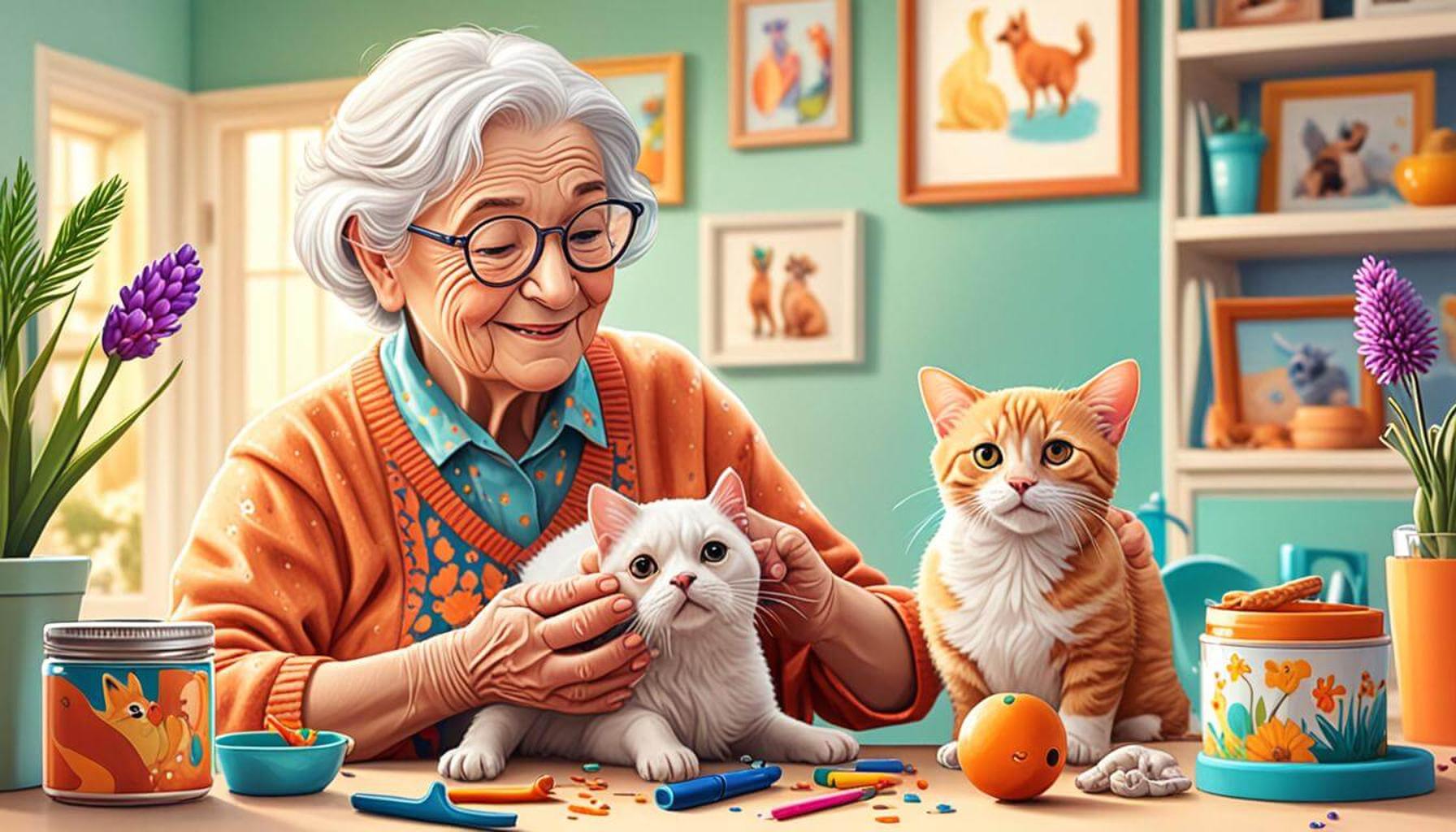
Understanding the Needs of Senior Pets
As pets age, they experience changes just like humans do. Senior pets often require special care to ensure they maintain a good quality of life. Recognizing these changes is crucial for pet owners who wish to keep their furry companions happy and healthy.
Key Considerations for Aging Pets
- Dietary Changes: Senior pets may need specialized diets that cater to their changing nutritional needs. This often includes lower calorie options to prevent obesity while ensuring that they receive proper nutrients. For instance, a senior dog’s diet should be rich in high-quality protein to maintain muscle mass and have increased fiber for better digestion. You might consider brands that offer formulations specifically for older pets, like Hill’s Science Diet or Royal Canin.
- Increased Medical Care: Routine veterinary check-ups are essential to monitor common health issues in aging animals. Regular visits can help detect conditions such as diabetes, kidney disease, or dental problems early on. It’s recommended that senior pets visit the veterinarian at least twice a year for comprehensive health screenings. Many vets also suggest undergoing blood tests to catch any hidden issues before they become serious.
- Comfort and Mobility: Providing supportive bedding and managing mobility issues is vital for their comfort. Older pets often struggle with arthritis, which can make it challenging for them to walk or lie down comfortably. Invest in orthopedic pet beds that provide additional support and consider using ramps or non-slip mats to make navigating their living space easier. Small adjustments, like elevating food and water bowls, can significantly enhance their ability to feed comfortably.
With the onset of their golden years, dogs and cats might face various challenges such as arthritis, vision impairment, or even cognitive decline. It’s essential to recognize the early signs of these conditions, such as increased difficulty in movement, reluctance to play, or changes in their sleeping patterns. Owners should be proactive in seeking out resources and support to address these issues. Local veterinarians often provide educational materials and can suggest specific therapies to help mitigate these conditions.
Emotional Well-being Matters Too
Beyond physical health, the emotional needs of senior pets also require attention. Engaging them in gentle activities, maintaining consistent routines, and providing plenty of love can greatly enhance their quality of life. Activities like short walks or interactive toys designed for older pets can stimulate their minds and keep them physically active without over-exertion. Moreover, pets thrive on routine; keeping their feeding times and daily activities consistent can help reduce confusion and stress, especially in animals experiencing cognitive decline.
Understanding special care for senior pets not only benefits their health but also strengthens the bond between you and your beloved companion. The investment in their well-being can lead to a more vibrant and fulfilling life for your aging furry friends. To delve deeper into the essential aspects of senior pet care, consider reaching out to local shelters or pet community groups to share experiences and gather insights on how to best support your pets throughout their golden years.
DIVE DEEPER: Click here to find out more about your pet’s nutrition

Essential Health Monitoring for Older Pets
As our furry companions transition into their senior years, it’s essential to foster an environment that caters to their unique needs. One of the most crucial components of special care for senior pets is health monitoring. Regular check-ups and increased vigilance regarding their health can play a significant role in extending the quality of life for these beloved animals.
Signs to Monitor in Senior Pets
Senior pets often exhibit various signs that may indicate underlying health issues. Pet owners should be aware of these signals to take prompt action. Here are some key indicators to keep an eye on:
- Changes in Appetite: A sudden increase or decrease in appetite can signal health problems, including gastrointestinal issues or dental pain. It’s crucial to address these changes promptly.
- Weight Fluctuations: Monitoring your pet’s weight is vital. Obesity can exacerbate health issues, while sudden weight loss can indicate serious underlying problems such as kidney disease or cancer.
- Behavioral Changes: If your pet becomes unusually lethargic, anxious, or withdrawn, it may be suffering from pain or cognitive decline. Changes in social interactions can also be a key indicator of distress.
- Mobility Issues: Observe your pet’s ability to walk or climb stairs. If they appear stiff or hesitant to engage in regular activities, it may be time to consult a veterinarian about potential arthritis or joint pain.
- Skin and Coat Health: Aging pets may develop dry skin or a dull coat. Regular grooming not only helps maintain their appearance but can also allow you to spot any lumps, bumps, or skin irritations early.
Promptly addressing these signs with your veterinarian can ensure a comprehensive approach to your senior pet’s health. Engaging in detailed discussions during veterinary visits can help tailor a preventive care plan that fits your pet’s specific needs. For example, a vet might suggest joint supplements for an older dog or thyroid testing for a senior cat experiencing weight changes.
Understanding Specialized Veterinary Care
In addition to regular check-ups, many veterinary clinics now offer specialized services tailored to senior animals. These can include geriatric wellness programs that encompass nutrition consultations, dental care, and even holistic approaches like acupuncture or physical therapy. By tapping into these resources, pet owners can significantly improve their senior pet’s health and overall well-being.
In summary, taking a proactive approach to the health of senior pets is essential. From understanding the early warning signs of health issues to utilizing specialized veterinary services, owners can help their furry friends navigate their golden years with grace and comfort. It’s vital to nurture not only their physical health but to engage in practices that cultivate emotional stability and companionship, making the journey enjoyable for both pets and their owners.
| Category | Key Features |
|---|---|
| Nutritional Needs | High-quality, senior-specific diets are crucial for maintaining health. |
| Health Monitoring | Regular veterinary check-ups help identify and manage age-related health issues. |
| Physical Exercise | Gentle, low-impact activities enhance mobility and prevent weight gain. |
| Comfort | Providing a warm, supportive bed reduces joint pain and promotes better sleep. |
In providing special care for senior pets, it is essential to consider their evolving needs. One of the most critical aspects is addressing their nutritional requirements. Senior pets often require diets formulated for their age group to manage weight and support overall health. As pets age, their metabolism slows and their ability to absorb nutrients diminishes, making tailored nutrition necessary for maintaining energy levels and vitality.Furthermore, health monitoring becomes increasingly important. Routine veterinary visits can facilitate early detection of common age-related issues such as arthritis or diabetes. Regular health check-ups not only monitor their physical condition but also help in establishing an appropriate care regimen.Incorporating appropriate physical exercise is equally vital. While senior pets should not engage in activities that may cause strain, gentle walks can improve circulation and maintain muscle tone. Ensuring they have space to move comfortably promotes a happy, active lifestyle.Lastly, enhancing their comfort with supportive bedding and adjustable temperature environments can greatly improve the quality of life for senior pets, aiding their overall health and well-being. These aspects collectively contribute to the longevity and health of our cherished companions, inviting their owners to explore effective strategies for better senior pet care.
DIVE DEEPER: Click here to discover innovative training techniques
Nutritional Considerations for Senior Pets
As pets age, their nutritional needs change, making it imperative to provide a diet tailored specifically for seniors. Special care for senior pets extends beyond medical monitoring and includes adopting the right dietary practices. An appropriate diet can help manage weight, support joint health, and enhance overall vitality.
Choosing the Right Food
When selecting food for senior pets, it’s essential to consider formulations designed for their age group. Many brands offer senior pet food that includes lower calorie counts, higher fiber content for digestive health, and added nutrients for joint support. Protein sources derived from fish, chicken, or lamb can contribute to muscle maintenance without unnecessary fat. Additionally, look for foods fortified with omega-3 fatty acids, glucosamine, and antioxidants, which can enhance cognitive function and improve skin and coat conditions.
Portion Control and Feeding Frequency
Monitoring portion sizes is another crucial aspect of feeding senior pets. As their metabolism slows down, pets may require fewer calories. Obliging to portion control can help prevent obesity—a common issue that plagues senior pets, leading to a host of other health concerns such as diabetes and heart disease. It may be beneficial to consult with a veterinarian to determine the appropriate caloric intake based on your pet’s size, activity level, and health condition. Furthermore, dividing their daily food portion into smaller meals can aid in digestion and maintain energy levels throughout the day.
Hydration: An Often-Overlooked Aspect
Proper hydration is vital for the well-being of senior pets. Older pets may not drink enough water due to kidney issues or dental pain. Encouraging hydration can be achieved by providing fresh water daily and incorporating wet food into their diet. Adding a pet-friendly water fountain can also stimulate their interest in drinking. Keeping an eye on their water intake and noticing any changes in drinking habits can offer clues about their health status, as increased thirst might indicate conditions like diabetes or kidney disease.
Addressing Special Dietary Needs
Some senior pets may develop food sensitivities or require specific diets due to chronic health issues. Pets diagnosed with kidney disease, for example, often benefit from low-protein diets, while those with heart conditions may need to reduce their sodium intake. Pet owners are encouraged to work closely with a veterinarian or a pet nutritionist to develop a personalized meal plan tailored to their pets’ health needs. This approach can make a significant difference in managing chronic illnesses and enhancing their quality of life during their senior years.
Incorporating a holistic approach to nutrition ensures that senior pets receive balanced nourishment. Regularly re-evaluating your pet’s diet as they age will contribute to their health and longevity, making informed choices a vital part of special care for senior pets.
DIVE DEEPER: Click here to learn more about your pet’s social needs
Conclusion
In summary, special care for senior pets is essential to ensure their happiness, health, and vitality in their golden years. As our beloved companions age, adapting their environment, routine, and particularly their nutritional regimen becomes crucial. A well-thought-out diet tailored to their specific needs can significantly influence their quality of life. With special attention to ingredients that promote joint health, digestive wellness, and cognitive function, owners can empower their pets to enjoy a more comfortable and active lifestyle.
Regular veterinary check-ups, personalized meal plans, and vigilant monitoring of hydration and weight management not only foster overall well-being—they deepen the bond between pet and owner. Furthermore, each pet is unique, requiring special attention to emerging health issues, food sensitivities, and individual preferences. As pet owners, embracing a comprehensive approach will make a lasting impact on the life of a senior pet.
As we care for these cherished family members, it’s important to remember that their needs may continuously evolve, requiring periodic reassessment of their care routines. By staying informed and proactive, we can ensure that our senior pets enjoy their twilight years with dignity and joy. Thus, investing in their special care is not merely an obligation, but a commitment to enriching their lives—today, tomorrow, and always.