
How to Prepare Your Pet for Travel and Moves

Essential Steps for Pet Travel Readiness
Traveling or relocating with your beloved pet can be both thrilling and daunting. The excitement of new adventures often comes with the stress of ensuring your furry companion is well-prepared for the journey ahead. The key to a smooth journey lies in meticulous preparation, allowing your pet to feel secure and comfortable during the transition.
There are several critical steps to consider when preparing your pet for travel:
Health Check
Before embarking on your travels, it’s essential to schedule a visit to the veterinarian. This ensures that your pet is healthy and fully up-to-date on vaccinations. This is particularly vital if you plan to cross state lines, as many states require specific vaccinations or health certificates. Additionally, discuss any medication your pet might need during the journey, especially if they experience anxiety or motion sickness. Some pet owners find that calming products, such as supplements or pheromone sprays, can ease their pet’s nerves.
ID and Microchip
Another crucial aspect of travel preparation is ensuring your pet is identifiable. It’s advisable to provide your pet with a collar that has an ID tag featuring your contact information. However, collars can become lost, so it’s wise to have your pet microchipped as an additional safety measure. Microchips provide a permanent, tamper-proof form of identification that can significantly increase the chances of reuniting with your pet in case they go missing.
Familiarity
Acclimation to travel equipment can significantly enhance your pet’s comfort. Gradually introducing your pet to carriers, harnesses, or travel crates can help reduce anxiety. Start by allowing them to explore these items in a safe space, rewarding them with treats or toys to create positive associations. Consider taking short trips to familiarize them with the sensations of travel, progressively increasing the distance as they become more comfortable.
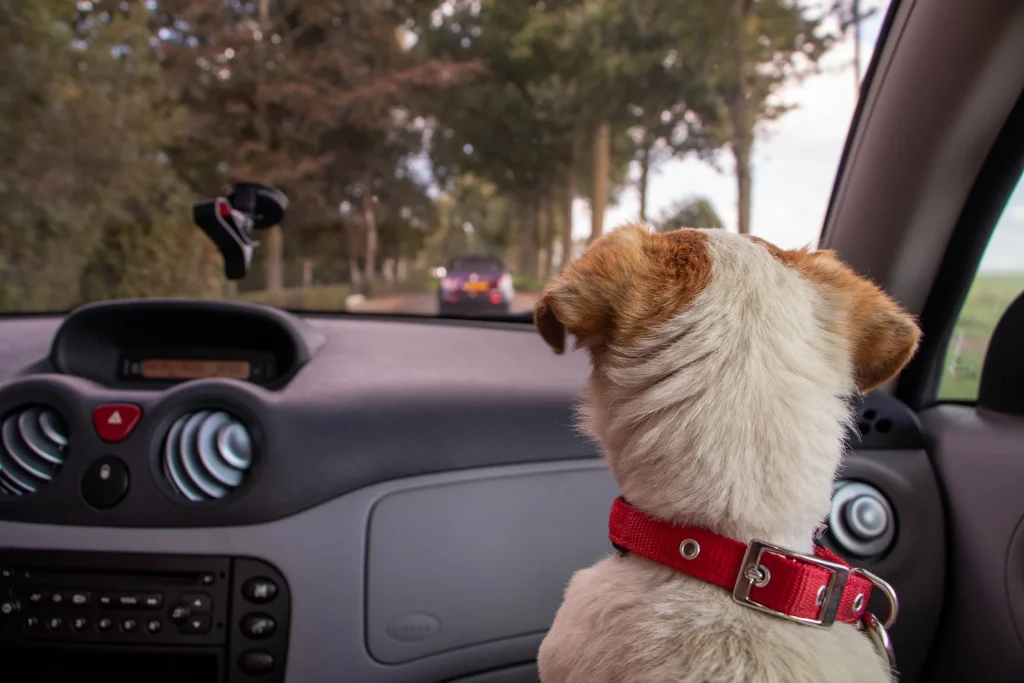
Beyond these essential preparations, consider the travel method. Whether you are driving or flying, it’s crucial to choose a pet-friendly travel option. If taking a flight, research the airline’s pet policies, including crate regulations and any associated fees. For road trips, plan for regular breaks to let your pet stretch their legs and relieve themselves comfortably.
Being proactive in your pet’s travel preparations not only benefits their well-being but also contributes to your peace of mind throughout the journey. This thorough planning can transform a potentially stressful situation into a seamless experience, allowing you and your pet to enjoy new horizons together.
To delve deeper into the nuances of pet travel, explore additional resources or consult professionals who specialize in animal behavior and travel logistics. By doing so, you can ensure your pet’s adventures are fulfilling and safe!
LEARN MORE: Click here for essential care tips on common pet diseases
Creating a Comfortable Travel Environment
In addition to ensuring your pet’s health and safety, creating a comfortable environment is essential for a successful travel experience. Whether you’re planning a short road trip or an entire relocation, your pet’s comfort can make all the difference. Here are several practical strategies to set up an optimal travel environment for your furry friend.
Choose the Right Travel Carrier
The choice of a travel carrier can affect your pet’s experience significantly. Make sure to select a carrier that is appropriate for your pet’s size and breed type. Whether it’s a hard-sided kennel for larger pets or a soft-sided carrier for smaller ones, comfort should be your top priority. Here are some tips on selecting or preparing your pet’s travel carrier:
- Size: Ensure the carrier has ample space for your pet to sit, stand, and turn around comfortably.
- Ventilation: Look for carriers with adequate air holes to provide proper airflow.
- Familiar items: Place familiar bedding or toys inside the carrier to create a home-like atmosphere.
- Secure closing mechanisms: Make sure the carrier has secure latches to prevent escapes.
Pack Essential Supplies
Packing a dedicated travel kit for your pet can alleviate many common travel stresses. Write down a checklist and include the following essentials:
- Food and water: Bring enough of your pet’s regular food to last the trip, plus extra in case of delays. A collapsible water bowl is ideal for keeping your pet hydrated.
- Leash and collar: Always have a sturdy leash and collar handy for stops along the way.
- Waste disposal items: Include waste bags for proper clean-up during breaks.
- First aid kit: Keep a basic pet first aid kit, including bandages, antiseptic wipes, and any meds your pet may need.
- Comfort items: Consider packing a favorite blanket or toy that can provide additional comfort during travel.
Plan for Rest Stops
When traveling by car, it’s beneficial to plan for frequent rest stops. Plan your route ahead of time and identify pet-friendly rest areas or parks where you can allow your pet to stretch, relieve themselves, and hydrate. A well-rested pet is generally a happier pet, so aim to make these breaks every couple of hours during long journeys. If you’re flying, ensure you check the layover procedures and whether there are pet relief areas available in the airport.
Ultimately, the key to travel preparation is thinking from your pet’s perspective. By focusing on their needs while planning, you can turn what might be a stressful situation into an enjoyable experience for both you and your furry family member. With the right carrier, supplies, and plenty of rest breaks, you’ll be on your way to ensuring that your pet feels secure and happy during the journey.
When preparing your pet for travel and moves, it’s essential to consider a few critical factors that can significantly impact their comfort and safety. Understanding your pet’s needs and preferences is paramount in making such transitions smoother for them.The first step is to ensure your pet is familiarized with their carrier or designated travel space ahead of time. This familiarity can help reduce anxiety when the actual travel day arrives. Allow them to explore the space gradually and consider placing their favorite toys or blankets inside to create a sense of security.Next, ensuring your pet’s health documentation is up to date is vital. This includes vaccination records and any necessary health certificates for travel, especially if crossing state or international borders. Not only does it keep your pet safe, but it also aligns with travel regulations, preventing unnecessary stress at checkpoints.Additionally, it’s crucial to adapt to a travel routine. Pets thrive on consistency, so maintaining regular feeding and exercise schedules during travel can mitigate potential anxiety. If you’re moving to a new home, visiting the new environment before moving day can also help your pet acclimate to the new surroundings.Furthermore, packing an “essentials” kit for your pet can be beneficial. This kit should include food, water, bowls, leashes, waste bags, grooming supplies, and any medications they may need. Having these items easily accessible can make the journey much more manageable.Finally, consider your pet’s temperament when deciding on travel methods. Some pets may prefer car rides, while others might fare better with professional aircraft services. Researching the most suitable option for your pet can ensure a safer and more comfortable experience.In summary, effectively preparing your pet for travel and moves requires a multidimensional approach, focusing on comfort, health safety, and adaptation. Each of these elements plays a vital role in ensuring that your beloved companion transitions smoothly to their new adventure. By considering their needs and making appropriate arrangements, you can alleviate much of the stress typically associated with travel and relocation.
DISCOVER MORE: Click here to learn about the importance of socialization for your pet’s well-being
Understanding Your Pet’s Needs During Travel
Preparing for travel or relocation goes beyond ensuring a comfortable environment; it requires a thorough understanding of your pet’s individual needs. Each pet has unique quirks and requirements that can affect their travel experience. Here are some crucial factors to consider to ensure your companion is well-prepared for the journey ahead.
Know Your Pet’s Temperament
Understanding your pet’s personality can significantly impact how you prepare for travel. Some pets are naturally anxious and may struggle with changes in their environment, while others might be adventurous and adapt quickly. For anxious pets, consider gradual acclimatization to the travel carrier or vehicle before the trip. This can help them associate positive experiences with travel-related items. Conversely, if your pet is more adaptable, they may enjoy exploration and can handle longer travel times more easily. Each temperament will dictate the degree of reassurance and comfort they will need.
Hydration and Nutrition
Maintaining proper hydration and nutrition is especially crucial during travel. Animals can become stressed, leading to potential digestive issues or dehydration. Take note of the following tips:
- Limit food the day of travel: Offer a light meal to prevent motion sickness, especially in pets prone to vomiting during travel.
- Maintain hydration: Offer water regularly, and consider using an elastic water bottle designed for pets to make it easier to keep your furry friend hydrated on the go.
- Regular feeding schedule: Once settled, try to adhere to your regular feeding schedule as closely as possible to minimize stress.
Addressing Motion Sickness
Some pets experience motion sickness, which can turn an enjoyable trip into a challenging ordeal. If your pet has a history of travel sickness, consult your veterinarian for possible solutions. Medication options can be provided to ease symptoms. Additionally, follow these tips:
- Keep the carrier stable: Ensure the carrier is secured and stable while traveling to reduce excess movement that might upset your pet.
- Fresh air: Allow fresh air into the vehicle when possible, as a breezy environment can soothe some pets during travel.
- Use calming aids: Consider pheromone sprays or anxiety wraps designed to help relax pets during stressful experiences.
Travel Preparation for Different Modes of Transport
Each mode of transport necessitates unique preparations. If you’re flying, take the time to verify airline-specific regulations regarding pet travel. Airlines have different size restrictions for carriers and unique health documentation requirements. If your pet will be in the cabin or transported in freight, ensure you adjust your preparations accordingly.
For road trips, provide your pet with enough space to lie down comfortably, and consider using a pet seatbelt or pet car seat for additional safety. Bonus: if you’re considering a train or public transportation, research their pet policy in advance, and arrive early to navigate potential challenges together with your pet.
By understanding and addressing your pet’s specific needs during transportation, you open doors to smoother transitions and enjoyable experiences. Preparing adequately allows for a stress-free journey, making moving with your furry family member an adventure rather than a chore.
DISCOVER MORE: Click here to learn about the benefits of pet socialization
Conclusion: Ensuring a Smooth Journey for Your Beloved Pet
Traveling or moving with your pet can be a rewarding experience when approached with careful consideration and planning. By prioritizing your pet’s individual needs, such as understanding their temperament and ensuring their hydration and nutrition, you set the stage for a successful journey. Being proactive about potential challenges, like motion sickness, can save both you and your furry companion from unnecessary stress.
Moreover, adapting your preparation to the specific mode of transport is vital. Whether it’s air travel, road trips, or public transportation, being informed about policies and regulations can make a world of difference. By securing a safe and comfortable space for your pet, and giving them the time they need to adjust to new environments, you create a positive travel experience that fosters a stronger bond between you and your animal.
Ultimately, every pet deserves to feel at ease during transitions, and your efforts to understand and accommodate their needs will pay off in terms of happier travels. Armed with the knowledge and tips outlined in this article, you are well-equipped to navigate the journey ahead. Embrace the adventure of moving with your pet as a chance to build lasting memories, ensuring both you and your companion thrive wherever your travels may take you.