
Strategies for Introducing New Pets at Home
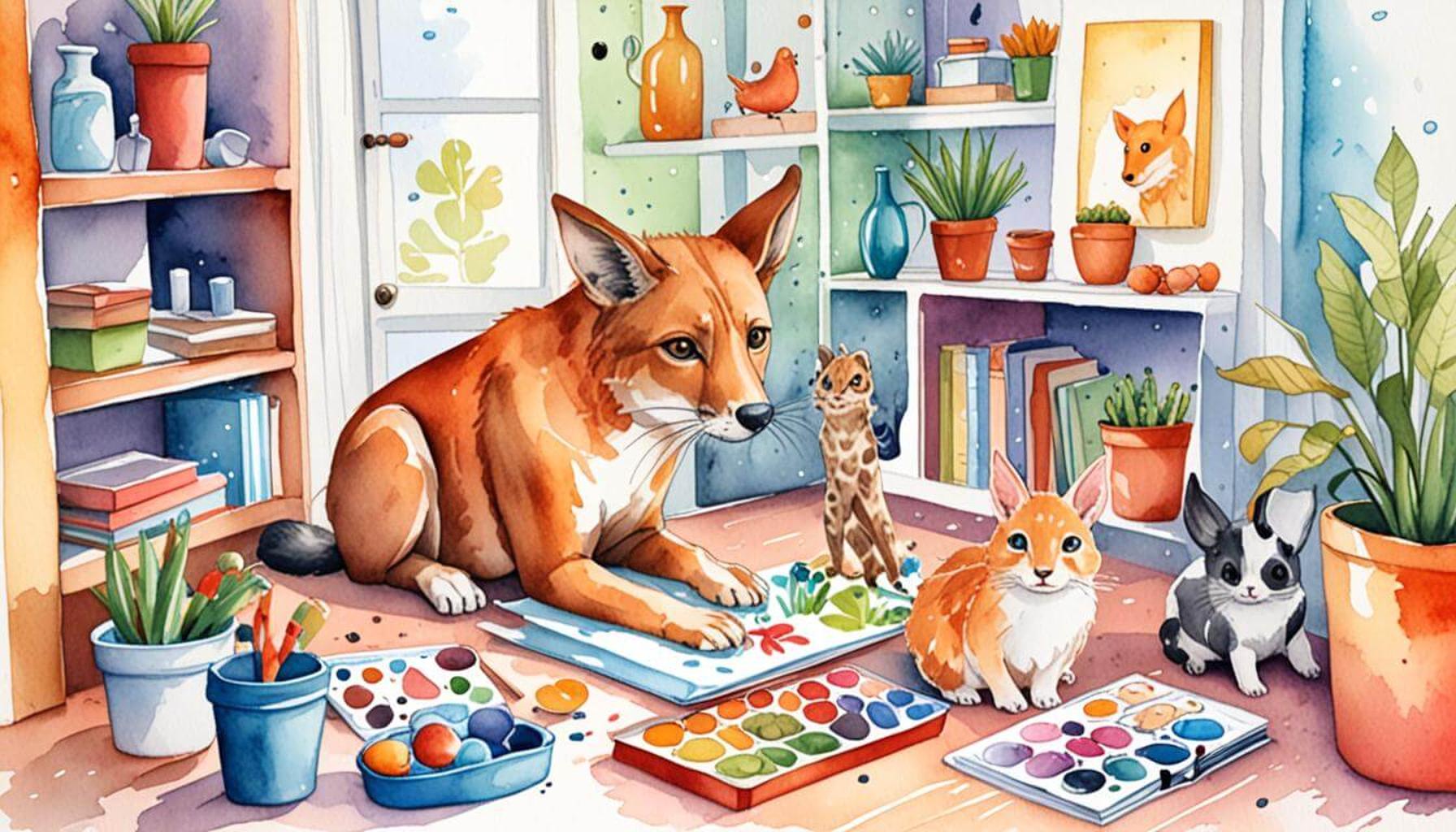
Welcoming New Family Members
Bringing a new pet into your home is an exciting journey, but it can also be quite challenging. Ensuring a smooth transition for both your new furry friend and your existing pets is essential for everyone’s well-being. Pets are creatures of habit, and significant changes in their environment can lead to stress and anxiety. By implementing effective strategies, you can minimize these stresses and foster harmonious relationships within your household.
Start by considering the following points when preparing for your new pet:
- Research the breed: Different animals have varying temperaments, care requirements, and energy levels. For instance, while Labrador Retrievers are known to be friendly and social, certain breeds like Chihuahuas can be more territorial. Understanding these differences can prepare you for potential challenges and help you choose a breed that complements your existing pets.
- Prepare your environment: Create a designated safe space for the new pet that is away from existing pets. This could be a separate room equipped with food, water, bedding, and toys. This ensures that the newcomer can adjust to their new surroundings without feeling overwhelmed or threatened by established pets.
- Gradual introductions: Before any face-to-face meetings, allow your pets to get used to each other’s scents. You can do this by exchanging bedding or using a cloth to rub each pet and then letting the other smell it. This method can ease the transition, helping both animals feel less threatened when they finally meet.
Understanding the dynamics of your household is vital. Existing pets may feel threatened or territorial, which can lead to conflicts or anxiety. Approach the introduction process with care and genuine patience to reassure all involved.
Additional Strategies for Success
Here are some additional strategies to consider:
- Use positive reinforcement: Reward both pets with treats and praise for calm behavior during introductions. This method can help encourage positive interactions and establish a friendly association with each other’s presence.
- Monitor interactions: Supervise early meetings closely to prevent any aggressive or overwhelming behavior. If you notice signs of distress in either pet, it may be wise to separate them for a time and try a different approach later.
- Provide individual attention: It’s essential to ensure that all pets receive love and attention to mitigate feelings of jealousy. Engage existing pets in their favorite activities while gradually including the new arrival, which can help to strengthen their bond and ensure harmony.
Through careful planning and thoughtful techniques, reaping the rewards of a peaceful multi-pet household is entirely possible. By creating a supportive environment and being mindful of each pet’s needs, you can turn what might seem like an overwhelming experience into an enriching one for everyone involved. Whether it’s through sharing a cozy space on the couch or playtime in the backyard, the joy of having multiple pets can be incredibly fulfilling.

As you embark on this journey, remember that each pet has its unique personality and needs. Embrace the process and take the time to create a loving and cohesive family environment!
DON’T MISS OUT: Click here to find out how to choose the best food for your pet’s health
Navigating the Introduction Process
The introduction of a new pet to your home is not just about the excitement of a new companion; it’s about creating a peaceful environment where all animals can thrive. It’s vital to recognize that each animal has its unique personality and history, which can impact how they respond to newcomers. Understanding their behavioral traits can significantly influence the introduction process.
When initiating introductions, consider these critical factors:
- Timing is key: Choose a time for introductions when your existing pets are calm and less stimulated. This could mean waiting until after a long walk or a play session. A relaxed atmosphere can make all the difference in how pets react to each other.
- Safe spaces: As mentioned, having a designated area for the new pet is essential. But it’s equally important to allow existing pets to maintain their safe spots. By having multiple secure areas in your home, you can help all pets feel secure, preventing them from feeling cornered.
- Controlled exposure: When you finally allow your pets to meet face-to-face, consider using a barrier, such as a baby gate or a pet crate, for initial introductions. This controlled exposure gives pets the opportunity to observe and get comfortable with one another without direct interaction, reducing the likelihood of aggressive behavior.
Furthermore, it’s essential to recognize the signs of stress or discomfort in pets during the introduction process. Watch for behaviors such as growling, hissing, or attempts to escape, as these can indicate distress. If any signs of aggression occur, it may be beneficial to retreat and allow them some time apart to cool off before trying again.
Establishing a Routine
Establishing a consistent routine can also aid in the transition for your new pet. Animals thrive on predictability, and having a structured schedule for feeding, walking, and playtime can ease anxiety for both your existing and new pets. Here are some tips for creating an effective routine:
- Simulate a schedule: Create a daily timetable that incorporates the needs of all pets. Ensure everyone is aware of when activities and meals will take place. This predictability helps all pets understand what to expect and when.
- Engage in mutual activities: Create situations where pets can bond over playtime or training exercises. For example, participating in group training sessions or playing interactive games can foster teamwork and cooperation.
- Rotate individual attention: Make a point to spend quality time with each pet to minimize jealousy and competition for attention. This will not only reinforce your bond with each individual pet but also help them adjust better to the changes in their household dynamic.
With these strategies in mind, the introduction process can become a more manageable and enriching experience. The goal is to cultivate an environment that promotes comfort, cooperation, and connection among all the animals in your home. By prioritizing each pet’s emotional and physical needs, you can pave the way for a thriving multi-pet household.
| Category | Description |
|---|---|
| Proper Introduction | Creating positive experiences through gradual interactions. |
| Safe Spaces | Providing a designated area for the new pet to feel secure and acclimate. |
| Supervised Meetings | Ensuring safety by monitoring all interactions between existing pets and newcomers. |
| Routine & Consistency | Establishing regular schedules helps pets adapt to one another effectively. |
Introducing a new pet into your home can be an exciting yet challenging process. Understanding the strategies for introducing new pets at home is crucial for ensuring a harmonious environment. First, a proper introduction is essential – this involves creating positive experiences through gradual interactions to foster a sense of friendship. Additionally, providing safe spaces allows the newcomer to have its own territory, a crucial factor for a successful transition.Supervised meetings are equally important to ensure safety, as these can help mitigate any potential conflicts that might arise during initial encounters. Maintaining routine and consistency is another critical strategy, as it helps both existing and new pets adjust to their new family dynamics. These strategies are invaluable for a smoother integration process and a stress-free home environment for everyone involved.
DISCOVER MORE: Click here to learn about the essential steps for adopting a pet
Monitoring Interactions and Adjusting Strategies
Once the initial introductions are made, the process doesn’t end there. Monitoring interactions between your existing pets and the newcomer is crucial. Observe their body language, sounds, and overall demeanor during these encounters. Understanding how each animal responds and adjusting your approach accordingly will aid in creating a harmonious environment.
During early interactions, it’s important to look for positive signals, such as:
- Curiosity rather than aggression: If pets observe each other with interest instead of hostility, this could mean they are ready for further exposure.
- Playful behavior: Signs of play, such as bowing, chasing, or gentle nudging, indicate comfort. Interaction during these moments can boost their bond.
- Relaxed postures: Tail wagging, ears up, and a relaxed body stance suggest that pets are at ease with one another.
However, if you observe any negative interactions, such as hissing, growling, or aggressive posturing, it may signal that you need to reassess your approach. Consider these strategies to amend the situation:
- Gradual desensitization: Slow down the introduction process. Allow pets to grow accustomed to each other’s presence from a distance and gradually decrease the space between them as they become more comfortable.
- Redirect negative energy: Engage pets in play or provide them with toys or treats to redirect focus away from each other. This helps alleviate tension and fosters positive feelings associated with being near one another.
- Seek professional guidance: If challenges persist, it may be time to consult a professional animal behaviorist or trainer who can provide personalized strategies tailored to your unique situation.
Acclimating to Individual Needs
Every pet has distinct needs, which can play a pivotal role in how they adjust to a new family member. For instance, some pets prefer solitude while others thrive on social interaction. Recognizing these differences will help in accommodating each pet’s lifestyle preferences during the integration process:
- Customizing environments: Provide your pets with their own dedicated spaces, equipped with their favorites toys and comfort items. Designing a sanctuary for each animal ensures they have a safe retreat when they feel overwhelmed.
- Dialogues with veterinary professionals: Consultation with a veterinarian or animal behaviorist can yield insights into any specific adjustments needed based on an animal’s health or history. For instance, rescue pets may require extra patience and understanding.
- Utilizing enrichment activities: Introducing new activities that engage and stimulate all pets can help diffuse anxiety. Puzzle toys, treat-dispensing balls, or even simple training exercises can create positive interactions among pets while keeping their minds sharp.
As you navigate this journey of introducing new pets, it’s crucial to remain patient. The adjustment process can take time, sometimes several weeks or even months, depending on the individual personalities and histories of your animals. By consistently implementing monitoring techniques and remaining sensitive to each pet’s needs, you can work towards building a cherished multi-pet household filled with love and companionship.
Dive deeper: Click here to learn more
Conclusion: Embracing a Harmonious Pet Household
Successfully introducing a new pet into your home involves a delicate balance of patience, observation, and adaptation. As we’ve explored, understanding the nuanced interactions between existing pets and newcomers is paramount. The journey does not end with initial meetings; in fact, it is just the beginning of forming lasting relationships among your furry family members. By identifying supportive behaviors like curiosity and play, you can foster positive experiences that pave the way for deeper connections.
Moreover, every pet comes with its own unique needs and personality traits that should be respected during this transition phase. From providing individual spaces to engaging all pets in interactive activities, creating a tailored environment is key to easing tension and facilitating acclimation. Keeping in mind that some adjustments may require guidance from veterinarians or animal behaviorists can ensure that your approach is as effective as possible.
Ultimately, the path to a unified multi-pet household may be fraught with challenges, but it is also filled with rewarding moments. Each pet has the potential to bring joy and companionship into your life, enriching your home beyond measure. By harnessing the strategies discussed and committing to a thoughtful integration process, you can look forward to a harmonious and loving environment where every pet thrives. Your commitment will lead to a fulfilling journey, deepening bonds not just among pets, but within your entire family.