Training for Special Needs Pets: Approaches for Dogs and Cats with Disabilities
Understanding the Unique Needs of Special Needs Pets
Every pet deserves a chance to thrive, but for those with disabilities, training can present unique challenges. Ensuring that dogs and cats with special needs receive the proper guidance not only enhances their quality of life but also strengthens the bond with their owners. It is essential to recognize that different pets require tailored approaches based on their specific disabilities.
Tailoring Training Techniques
Training methods must be customized to accommodate specific disabilities. Here are some effective approaches to consider:
- Positive Reinforcement: This technique involves rewarding pets with treats, praise, or playtime whenever they exhibit desirable behaviors. For example, you might use small, soft treats for a visually impaired dog when it successfully performs a command, reinforcing its confidence and eagerness to learn.
- Desensitization: Gradual exposure to new situations can help reduce fear or anxiety in pets. For instance, if a cat has a fear of loud noises, you could start by playing recordings of soft sounds at low volumes before gradually increasing the volume as the cat becomes more comfortable, helping it adapt without overwhelming stress.
- Consistent Routines: Establishing predictable schedules—such as set feeding times and regular walks—helps pets feel secure and more receptive to training. Dogs, especially those with anxiety issues, thrive on routines, which can also make house training easier when they have set times for bathroom breaks.
Adapting to Individual Disabilities
Understanding the individual needs of your pet is crucial, as disabilities can affect their learning capabilities and everyday functioning. Some adaptations might include:
- Using mobility aids for dogs. For example, dog wheelchairs can be invaluable for pets with hind leg paralysis. This equipment can enable them to move freely and engage more actively in training sessions and play.
- Creating a safe space for anxious cats. A designated area in your home with comforting items such as pillows, toys, and blankets can provide a sanctuary where they feel secure enough to explore their surroundings and gradually face their fears.
- Implementing visual or auditory cues. For pets that are hearing or visually impaired, using touch or light signals instead of conventional commands can facilitate better communication. For instance, a visually impaired dog may respond to vibrations on a leash when it’s time to move, while an auditory cue like a clicker could attract the attention of a hearing-impaired pet.
Through compassion and innovative training techniques, pet owners can help their furry companions achieve their fullest potential. Understanding the unique challenges faced by special needs pets and applying these tailored strategies can significantly improve their lives. This approach not only aids in their training but also fosters an unbreakable bond between pets and their owners. As you embark on this journey, you empower yourself with knowledge about effective strategies for training special needs pets, enabling you to make informed decisions based on your pet’s unique requirements.
LEARN MORE: Click here for insights on your pet’s well-being
Innovative Strategies for Effective Training
Training a pet with special needs requires both a compassionate heart and a creative mind. Traditional methods may not be effective for every pet, prompting owners to explore innovative strategies that align with their pet’s specific challenges. Factors such as mobility issues, sensory impairments, and behavioral concerns all play a significant role in shaping the training process. Understanding these factors can lead to an enriched learning environment where pets can thrive.
Choosing the Right Training Environment
The environment in which training occurs can greatly influence a special needs pet’s ability to learn. It is important to choose settings that minimize distractions and promote a sense of safety. Consider the following aspects:
- Quiet Spaces: For pets that are easily overwhelmed, such as those with auditory sensitivities, a calm and quiet space is essential. Training sessions conducted in low-stimulation areas, away from loud noises and chaotic movements, can help pets focus better on learning.
- Familiar Surroundings: Begin training in a familiar environment where the pet feels comfortable. This familiarity can reduce anxiety and allow your pet to engage more fully in the learning process. Once they are confident, you can gradually introduce new locations and challenges.
- Accessible Training Zones: For pets with mobility issues, making sure the training area is easily accessible is critical. Clear pathways and non-slip surfaces can prevent accidents and enhance the pet’s confidence as they learn.
Incorporating Enrichment Activities
Engaging a special needs pet often requires more than just standard training commands. Incorporating enrichment activities can stimulate their mind and body, making training sessions more enjoyable and productive. Consider these activities:
- Interactive Toys: Use toys that stimulate problem-solving and cognitive skills. Puzzle feeders or toys that dispense treats can keep dogs and cats engaged, encouraging them to think critically while rewarding their efforts.
- Socialization Opportunities: Allowing pets with disabilities to socialize with other animals and people is crucial. Controlled environments, like organized playdates or small training classes, provide a safe space for social interactions, which can be beneficial for behavioral training.
- Fun and Play: Incorporate play into training. Games that involve gentle tugging or retrieval can motivate pets and create positive associations with learning. Tailoring these activities to suit their abilities fosters a playful atmosphere that makes training enjoyable.
By understanding the specific challenges faced by special needs pets and applying these tailored strategies, pet owners can enhance the training experience. Providing a supportive and stimulating environment not only facilitates learning but also cultivates stronger relationships between pets and their owners. As you embark on this journey, remember that patience, creativity, and love are essential in helping your special needs companion thrive.
| Category | Details |
|---|---|
| Adapted Training Methods | Utilizes specialized techniques tailored to each pet’s unique needs. |
| Enhanced Communication | Incorporates visual aids, hand signals, and other cues that foster a bond and understanding between owner and pet. |
| Positive Reinforcement | Focuses on rewards for desired behaviors, crucial for motivating pets with disabilities. |
| Customized Exercise Plans | Tailors physical activity regimens that cater to the mobility and health constraints of special needs pets. |
Training dogs and cats with disabilities requires specialized approaches that align with each pet’s capabilities. Adapted training methods are vital; they use techniques that resonate with the individual needs of pets, ensuring effective learning. Enhanced communication plays a significant role as it includes tools like visual cues and hand signals to bridge gaps. This fosters meaningful interactions and understanding.Another critical aspect is positive reinforcement, which rewards desired behaviors to help motivate pets with challenges. This approach not only builds confidence but also enhances the human-animal bond. Lastly, developing customized exercise plans ensures that physical activities are suitable for the pet’s specific needs, promoting their physical and mental well-being while respecting their limitations. Overall, employing these tailored strategies opens a world of possibilities for special needs pets and their owners.
DISCOVER MORE: Click here to find out the best choice for your pet
Building Trust and Communication
A crucial aspect of training special needs pets lies in establishing a strong foundation of trust and communication. Pets with disabilities can often feel vulnerable or anxious, making it essential for owners to create an environment where their pet feels secure and understood.
Utilizing Positive Reinforcement
Positive reinforcement is a powerful tool in the training toolbox, especially for special needs pets. This method involves rewarding desired behaviors rather than punishing unwanted ones. By consistently using treats, praise, or affection as rewards, you can foster a sense of accomplishment in your pet. Benefits include:
- Enhanced Motivation: Special needs pets may require a little extra encouragement. Positive reinforcement can boost their motivation to participate in training sessions, successfully engaging them even when challenges arise.
- Building Confidence: Rewarding small successes reinforces positive behavior and builds your pet’s self-esteem. This is particularly vital for pets that may struggle with self-confidence due to their physical or cognitive limitations.
- Creating a Bond: Training that emphasizes positive interactions fosters a deeper bond between owner and pet. This partnership can streamline the learning process and improve the pet’s overall experience.
Tailoring Communication Strategies
Effective communication is key to connecting with a special needs pet. Different animals may respond better to various forms of cues, whether verbal commands, hand signals, or visual cues. Here’s how to tailor your approach:
- Cue Recognition: For pets that may have hearing impairments, incorporating hand signals or visual markers can be beneficial. Training them to associate specific gestures with commands can lead to more effective communication.
- Using Consistency: Consistency in commands and cues is vital. Ensure that every family member uses the same words and signals to avoid confusion and uncertainty in the training. This predictability can make learning clearer for the pet.
- Paying Attention to Body Language: Understanding and interpreting your pet’s body language can help you respond more effectively to their needs. Recognizing signs of stress or discomfort allows for adjusting training methods to maintain a positive experience.
Incorporating Specialized Training Tools
Utilizing specialized training tools can also improve the training experience for pets with disabilities. These tools are designed to support unique needs and provide additional avenues for learning:
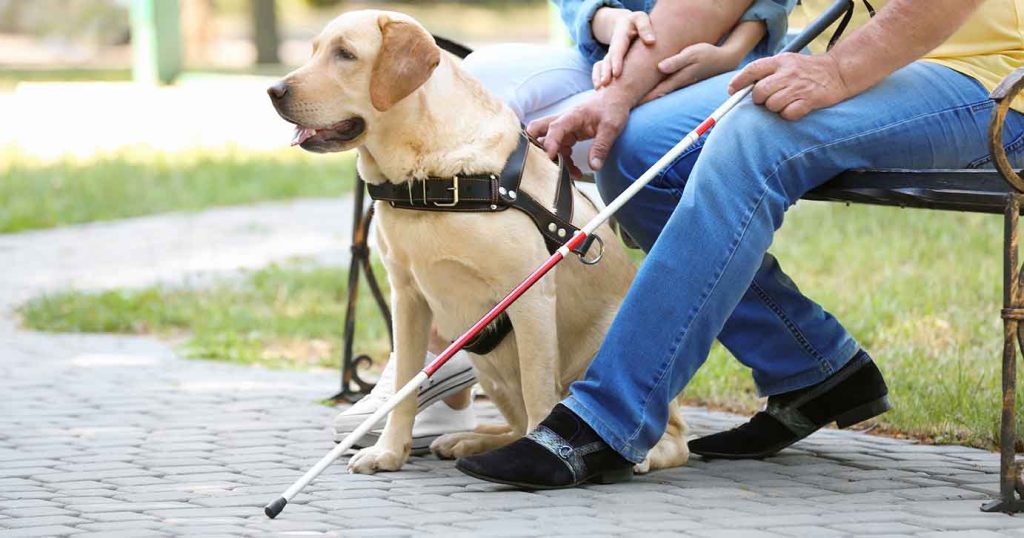
- Adaptive Harnesses and Leashes: For pets with mobility issues, using adaptive harnesses can facilitate movement while giving them the support they need. They can enjoy walks or outdoor activities without feeling strained.
- Clickers or Target Stick: Clicker training or using a target stick can help clarify the desired behavior. A clear, consistent sound or point can effectively communicate when your pet has done something right, allowing for immediate feedback.
- Calming Products: Products such as calming vests or pheromone diffusers can create a soothing environment, which is essential for anxious pets. When a pet feels calm and secure, they are more likely to engage positively during training.
Each special needs pet comes with its own set of challenges and abilities. By focusing on trust-building, clear communication, and utilizing specialized tools and techniques, you can significantly enhance the training process for dogs and cats with disabilities. These thoughtful approaches not only empower pets in their learning journey but also foster a more joyful and responsive relationship between pets and their owners.
DISCOVER MORE: Click here for helpful insights
Conclusion
Training for special needs pets is a journey that goes beyond basic obedience—it is about nurturing individual personalities, building confidence, and respecting their unique challenges. As we’ve explored, establishing trust and utilizing positive reinforcement can transform training sessions into a rewarding experience for both the pet and owner. Furthermore, customizing communication strategies and incorporating specialized training tools empower special needs pets to thrive in their environment and develop essential skills, ultimately enhancing their quality of life.
Every special needs pet is distinct, requiring a tailored approach that celebrates their abilities while accommodating their disabilities. Successful training methods can lead to remarkable transformations in behaviors and strengthen the bond between pets and their owners. By staying patient and flexible, pet parents can create a safe space where learning is joyful and engaging.
In conclusion, when we invest time and effort into understanding and training dogs and cats with disabilities, we not only enrich their lives but also open our hearts to the profound connections that can be formed. As society continues to advocate for inclusivity, it’s essential to remember that every pet—regardless of their challenges—deserves love, respect, and the opportunity to learn and grow. For those interested in delving deeper, a wealth of resources and expert advice is available to guide this rewarding journey in training special needs pets.