
Using Technology in Training: Apps and Gadgets that Enhance Pet Learning

Innovative Tools Changing Pet Training
The integration of technology into everyday activities has redefined numerous processes, and pet training is no exception. With the advent of cutting-edge apps and gadgets, the traditional methods of training our furry friends are evolving. These innovations are enhancing the training experience, making it not only more efficient but also more enjoyable for both pets and their owners.
One of the most significant advancements in this realm is the development of training apps. These applications provide pet owners with interactive lessons that adapt to the individual learning pace of their pet. For instance, apps like Pawtrack utilize GPS technology to monitor a dog’s location while providing real-time training tips based on the dog’s behavior. These tailored recommendations help owners implement strategies that resonate more profoundly with their pets, simplifying the learning process.
Another groundbreaking innovation is wearable tech designed for pets. Devices such as the FitBark or PetPace collar not only monitor a pet’s activity levels but also provide insights into health metrics such as heart rate and calorie consumption. This information is invaluable for trainers and owners alike since it helps them understand how a pet’s physical condition affects their learning capabilities and responsiveness during training sessions.
Additionally, the emergence of smart toys introduces a playful dimension to training. These are not just ordinary playthings; they are designed to challenge a pet’s cognitive abilities while reinforcing learned behaviors. The SmartyKat toys, for example, incorporate interactive elements that stimulate a cat’s hunting instincts, merging playtime with skill development. As pets engage with these smart toys, they naturally learn commands and tricks, making the training process both seamless and enjoyable.
Beyond simplifying training, these advanced tools foster a deeper connection between pets and their owners. The ability to track progress and tailor training approaches creates a more responsive and understanding relationship. As technology advances, it is crucial for pet owners to stay informed about these innovative resources.
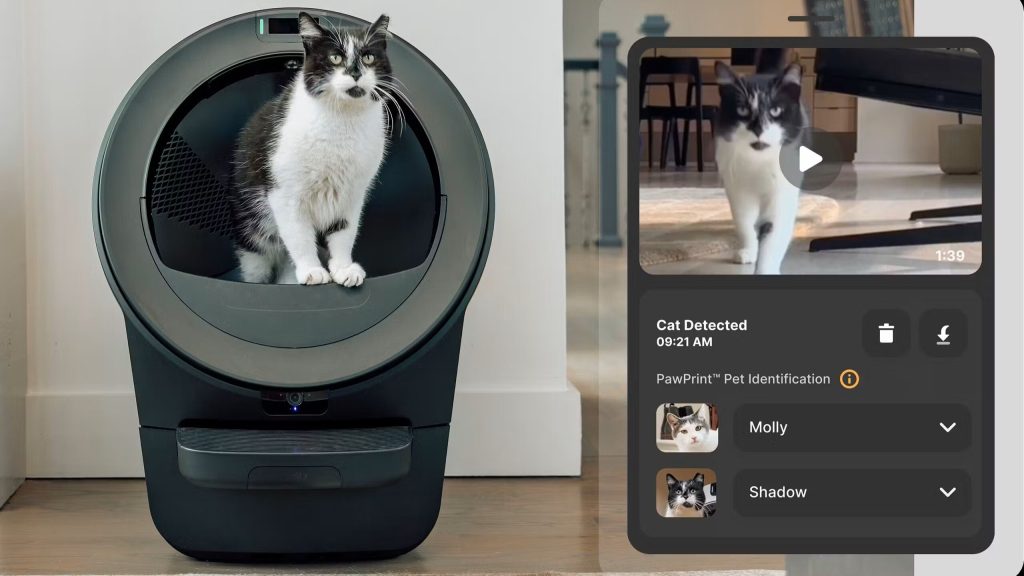
This article aims to delve into various apps and gadgets that are revolutionizing pet training. By exploring these modern tools, whether you’re a seasoned trainer or a novice pet owner, you can enhance your training journey and ensure your furry friend thrives in learning. The exploration of these technologies not only supports effective training methods but also encourages pet owners to utilize their full potential to forge lasting bonds with their companions.
DON’T MISS OUT: Click here for essential care tips
Revolutionizing Learning: The Role of Training Apps
As our society embraces digital integration, pet training is undergoing a renaissance fueled by innovative apps. These tools serve as valuable companions for pet owners, ensuring that training is not only effective but also engaging. Interactive platforms like Dog Trainer and Pawtrack offer step-by-step guidance on commands, tricks, and behavioral corrections. Each app often includes features such as video demonstrations, reward tracking, and even social sharing capabilities, allowing users to celebrate their pets’ milestones within a community of fellow pet enthusiasts.
Moreover, many training apps are designed with customization in mind. Pet owners can set individual training goals, monitor progress, and adjust techniques based on their pet’s responses. This approach not only localizes the learning experience but also fosters consistency, an essential component in behavior modification. By integrating reminders and tips based on the dog’s or cat’s progress, owners can provide timely reinforcement, which is crucial in reinforcing positive behavior.
Wearable Technology: A New Frontier in Training
The emergence of wearable technology has transformed the understanding of how physical health impacts training outcomes. Devices like the FitBark and PetPace collar do more than just monitor activity; they provide detailed analytics on a pet’s health and wellness. For instance:
- Activity Tracking: Owners can observe their pet’s daily activity levels, ensuring they are getting sufficient exercise to support learning.
- Behavioral Insights: Some wearables track heart rates and anxiety levels, indicating when a pet may be too stressed or excited to learn.
- Health Alerts: Innovative collars can notify owners of significant changes in health metrics, allowing for timely interventions that can affect training positively.
By employing these gadgets, pet owners gain a clearer understanding of their pets’ physical states, thus tailoring training sessions to optimize effectiveness. A well-exercised dog, for instance, may respond better to training, while one that is over-stimulated or fatigued may struggle to learn new commands. This customized approach creates a more responsive training environment conducive to both emotional and physical wellness.
Smart Toys: Adding Fun to Learning
Smart toys represent another remarkable advancement in technology for pet training. These ingenious devices blur the lines between playtime and learning. For example, the PetSafe Busy Buddy or SmartyKat toys are designed to stimulate pets’ mental capabilities while reinforcing training commands. These toys often incorporate reward systems that respond to the pet’s actions, promoting a playful yet educational environment. For instance, a treat-dispensing toy not only keeps a dog engaged but also teaches patience and problem-solving skills as they figure out how to get the reward.
As these smart toys capture pets’ attention, they naturally reinforce commands learned during training sessions. This continuous engagement transforms learning into a fun activity, making it more likely that pets will retain new skills in the long run. It is here that technology significantly enhances the owner’s role, encouraging active participation in their pet’s growth while enjoying the process.
In summary, the combination of training apps, wearable technology, and smart toys provides pet owners with a comprehensive suite of tools that enhance learning experiences. This technological evolution not only increases the efficiency of training but also builds deeper connections between pet and owner, paving the way for a more harmonious relationship.
| Technology Category | Benefits & Applications |
|---|---|
| Training Apps | Utilize engaging interactive formats to facilitate learning through games and challenges. |
| Wearable Gadgets | Allow real-time monitoring of a pet’s behavior, providing feedback that enhances training outcomes. |
| Remote Training Tools | Enable trainers to connect with their pets from anywhere, ensuring consistency and progress in training sessions. |
| Video Tutorials | Provide step-by-step instructions for various training techniques, facilitating effective learning for pet owners. |
Incorporating these technologies into pet training practices not only benefits the animals but also the owners, making the learning process more enjoyable and effective. With smartphone apps designed to enhance training, pet owners can track progress and share achievements, fostering a supportive community around their efforts. Furthermore, wearables can give insightful data on a pet’s activity levels and behavioral patterns, allowing owners to tailor training approaches accordingly. The integration of technology into the pet training landscape is revolutionizing how our furry friends learn and adapt, opening up new avenues for effective pet education that can lead to long-lasting behavioral changes. Consider exploring some of these innovative tools to see how they can transform your training experience.
DISCOVER MORE: Click here for essential insights on pet nutrition
Enhancing Communication: The Power of Remote Training Devices
In the realm of pet training, the advent of remote training devices has redefined how owners communicate with their pets. Tools such as the PetSafe Remote Trainer or the Fetch Training Collar provide a new level of control, allowing handlers to deliver commands from a distance. This capability is particularly beneficial for training dogs in off-leash situations or for reinforcing commands during outdoor activities. For example, with the use of a remote trainer, a pet owner can issue a ‘sit’ command when their dog is a few feet away, reinforcing obedience even in distracting environments.
Many of these devices come equipped with adjustable settings that allow users to choose between tones, vibrations, or a gentle static stimulation to convey commands without harshness. This varying communication becomes essential for achieving optimal learning, as it suits the individual needs and temperaments of different pets. A study highlighted in the Journal of Veterinary Behavior revealed that positive reinforcement methods, often used in conjunction with such devices, yielded a significant improvement in training outcomes when compared to traditional methods.
Interactive Training Platforms: Bringing Community to Pet Learning
Technology is also fostering community engagement around pet training through interactive platforms. Social media applications and dedicated training sites like PawSquad or Pet Coach allow pet owners to connect with professional trainers and other pet enthusiasts. This network provides a treasure trove of resources, including video tutorials, community challenges, and expert Q&A sessions. The ability to share success stories and seek advice from fellow pet owners creates a dynamic and supportive learning environment.
Furthermore, these platforms often enable users to set up virtual training sessions. This technological advancement means that professional trainers are not limited by geography; instead, pet owners can access expert guidance from the comfort of their homes. The shift toward virtual training has become especially popular during the COVID-19 pandemic, where social distancing measures limited access to in-person classes. A survey conducted by the American Kennel Club found that over 60% of dog owners were open to continuing remote training even post-pandemic due to its convenience and effectiveness.
The Future of Pet Learning: AI Assistants
Looking ahead, the integration of artificial intelligence (AI) in pet training presents an exciting frontier. AI-driven applications like Waggle or PetBot are beginning to emerge, leveraging machine learning to provide personalized training routines based on individual pet behaviors and historical data. By analyzing a pet’s past interactions and responses to different training techniques, these programs can tailor lessons to maximize engagement and retention.
Some innovative platforms are even experimenting with voice recognition technology, allowing pets to respond to verbal cues delivered through smart speakers like Amazon Alexa or Google Home. This interaction not only strengthens the bond between pet and owner but also enhances learning by incorporating familiar technology into daily routines. Imagine giving your dog a command from your living room while seated on the couch, all thanks to an AI assistant recognizing your commands—this is the future of modern pet training. Although still in its infancy, the potential for AI to reshape how we approach teaching our furry companions is immense.
In conclusion, technology is reshaping the landscape of pet training through remote devices, interactive platforms, and groundbreaking advancements like AI. As these trends evolve, they provide pet owners with richer, more engaging experiences that foster better communication and learning outcomes for pets.
DISCOVER MORE: Click here to enhance your training skills
Conclusion: The Future is Bright for Pet Training with Technology
The integration of technology into pet training is revolutionizing the way we teach and interact with our furry companions. With the rise of remote training devices, pet owners are now equipped with the tools to communicate effectively from afar, enhancing the learning experience in everyday environments. Interactive platforms such as PawSquad and Pet Coach not only provide invaluable resources from professional trainers but also foster a sense of community among pet owners, making training a more collective and supportive endeavor. Furthermore, the incorporation of artificial intelligence into training applications heralds a new era where personalized training experiences can be tailored to each pet’s unique needs and behavioral tendencies.
This technological shift is not just a passing trend; it reflects a significant transformation in our understanding of animal training and communication. As more pet owners embrace these innovations, the potential for improved learning outcomes is immense. Studies indicate that leveraging technology can lead to enhanced engagement and retention of commands, ultimately resulting in well-behaved pets and happier owners. As we look to the future, the marriage of technology and pet training presents an exciting opportunity to deepen the bond between humans and animals.
In a world where convenience and efficiency are paramount, the tools available for pet training are only poised to expand and evolve. From apps that create customized training regimens to gadgets that facilitate remote communication, the ongoing exploration of technology promises to make pet learning more accessible and effective than ever before. For any devoted pet owner keen on elevating their training approach, embracing these digital resources is not just beneficial—it’s a pathway toward a more harmonious relationship with their beloved pets.