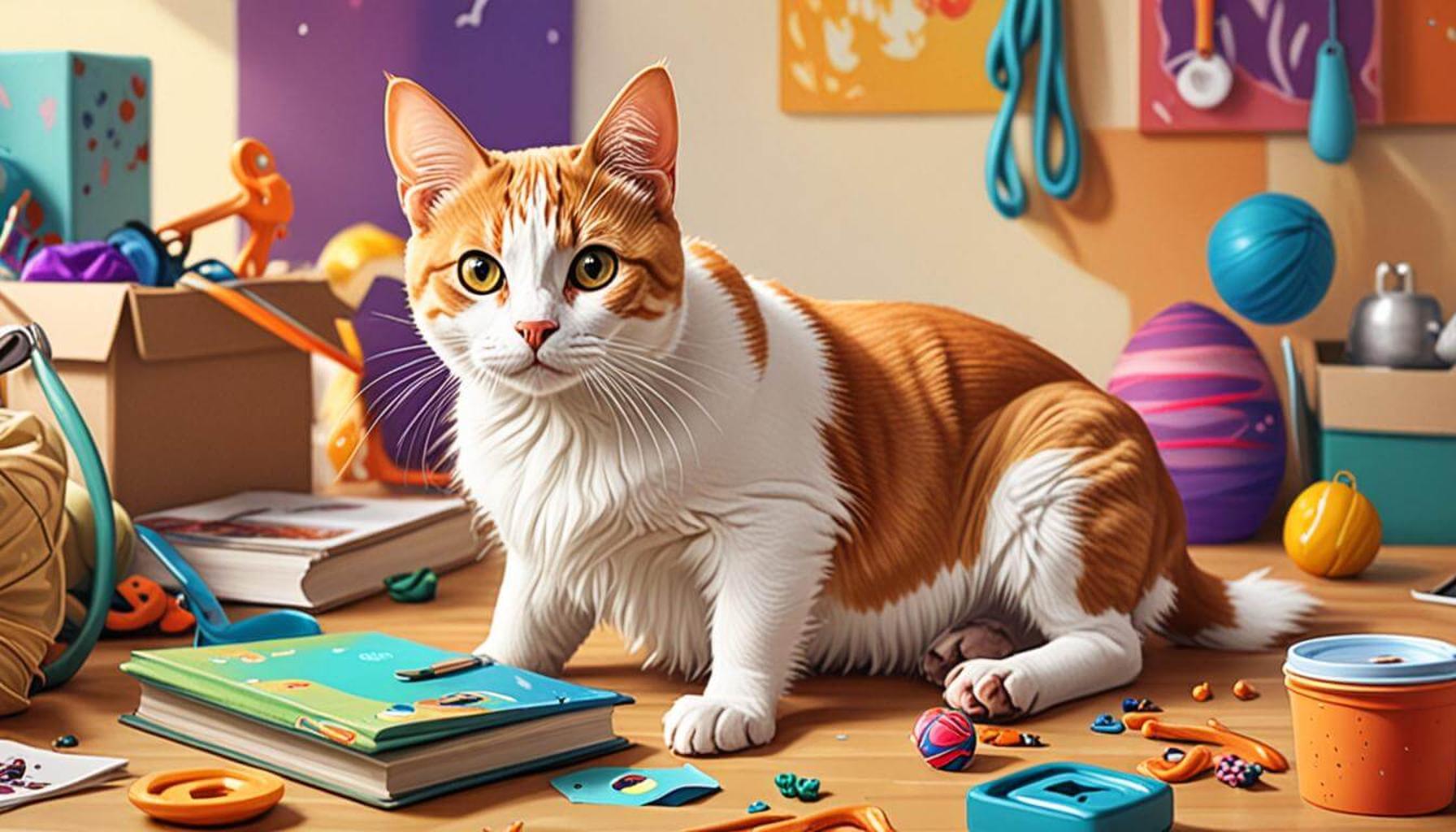
The Post-Adoption Transition: Helping Your New Pet Adjust

Understanding the Post-Adoption Transition
Bringing a new pet into your home can be an exciting adventure. However, the post-adoption transition is a crucial time that requires special attention. It’s essential to recognize that your new furry friend may experience a range of emotions and challenges during this adjustment period. Many pets may find themselves navigating unfamiliar surroundings, sounds, and routines, which can be both thrilling and overwhelming.
Key Factors to Consider
To help your pet acclimate to their new surroundings, consider these important aspects:
- Environment: Create a safe and comfortable space for your pet. This includes establishing a designated area with their bed, toys, and essential supplies like food and water bowls. Ensuring the environment is free from hazards, such as toxic plants or sharp objects, is paramount. For instance, many common houseplants popular in the U.S., like philodendrons or lilies, can be harmful to pets.
- Routine: Establish a consistent daily schedule for feeding, walks, and playtime. Pets thrive on predictability, and a regular routine can reduce anxiety. For example, if you consistently feed your dog at 7 AM and take them for a walk shortly afterward, they will quickly learn to anticipate these activities, fostering a sense of security.
- Socialization: Gradually introduce your pet to family members and other pets. Socialization is key to helping your new companion feel at home. Begin with short, positive interactions, allowing them to adjust at their own pace. For instance, if you have a cat, let them explore their new space while keeping other pets in a separate area initially to avoid overwhelming them.
Transitioning pets can be complex. It’s important to note that each pet will have a unique adjustment experience influenced by their previous life, personality, and breed. Be vigilant and observant, as understanding these cues will greatly assist in providing the right support.
Common Signs of Stress
If you’re wondering how to gauge your pet’s emotional state, watch for the following signs that may indicate stress in your pet:
- Hiding or seeking solitude: If your new pet retreats to a corner or under furniture, it may be a sign they feel insecure or overwhelmed by their new surroundings.
- Excessive barking or meowing: Vocalizations can indicate anxiety or a plea for attention. For example, your dog may bark persistently if they are feeling unsettled.
- Loss of appetite or changes in eating habits: A significant drop in food intake can signal stress. Monitoring their eating patterns is crucial, as it can be a direct indicator of how they are adjusting to their new home.
In the coming sections, we will delve deeper into effective strategies to smoothen the post-adoption transition process, ensuring your new pet feels welcome and secure in their forever home. Implementing these strategies not only aids in your pet’s adjustment but also strengthens the bond between you and your new furry family member, ensuring a loving and harmonious relationship for years to come.
LEARN MORE: Click here to discover the adoption process
Creating a Welcoming Atmosphere
As your new pet steps into their new environment, the first impression can greatly affect their post-adoption transition. A welcoming atmosphere is vital to help them feel secure. One of the best ways to achieve this is through careful planning of their initial space. This involves not only a designated sleeping area, but also an organized layout that allows your pet to feel in control of their surroundings. Each element in this space should communicate safety and comfort.
Start by choosing a quiet corner of your home for the pet’s bed and crate, ensuring it is away from high traffic areas. Having a place where they can retreat and observe the household without being directly engaged will help them acclimate at their own pace. In addition, providing a few familiar items, such as a blanket or toy from their previous home, can ease their transition significantly.
Adjusting the Feeding Environment
Feeding time can also impact how your new pet adapts. It is crucial to establish a consistent feeding routine and to designate a specific feeding area. This not only helps them understand when and where they will be fed but also gives them a sense of ownership over their space. Within this feeding area, ensure that bowls are of appropriate size and easily accessible. Keep in mind that some pets may be sensitive to noise, so selecting a location with minimal disturbances can help alleviate anxiety during mealtime.
Understanding Your Pet’s Unique Needs
Every pet is unique, bringing their own history, preferences, and quirks to your home. Therefore, it is essential to consider their specific needs during the transition. Different breeds may react differently to change; for instance, more anxious breeds like Greyhounds may require a little extra patience and reassurance, while others, like Golden Retrievers, may adapt more quickly. Take the time to observe their behavior closely during the first few weeks. Understanding when they feel overwhelmed or anxious can inform how you approach training and socialization.
Moreover, recognize that some pets may acclimate to family members and routines faster than others. Pay close attention to their social interactions and be prepared to step in if your pet seems hesitant or frightened. Using a calm, soothing voice and gentle movements can help to encourage trust. If your pet appears nervous around children or other animals, allow them to initiate interactions when they feel ready.
Monitoring their Emotional Wellbeing
As you navigate the adjustment period, it’s vital to keep an eye on your pet’s emotional wellbeing. Healthy, positive interactions and an understanding of their needs will pave the way for a successful transition. Keeping a journal to document their behaviors and reactions can be immensely helpful. Not only does it allow you to track progress, but it also helps identify any triggers that cause stress, enabling you to modify the environment or routine accordingly.
By paying close attention to these elements, you’ll foster a nurturing environment that eases your pet into their new home while strengthening your bond over time. As we move forward, we’ll discuss further strategies that can enhance the overall experience for both you and your new companion, ensuring that the post-adoption transition is as smooth and enjoyable as possible.
| Advantage | Details |
|---|---|
| Establishing Routine | A consistent daily routine can help your new pet feel secure and understand their new environment. |
| Socialization Opportunities | Introducing your pet to new people and animals can ease their anxiety and improve their confidence. |
| Positive Reinforcement | Using treats and praise encourages desirable behaviors and fosters a better bond with your new pet. |
| Understanding Body Language | Learning your pet’s signals of stress or comfort can help you respond appropriately and create a trusting atmosphere. |
| Environmental Enrichment | Providing toys and playtime can ease boredom and aid in the adjustment period for your new pet. |
The post-adoption transition is a crucial phase for both the pet and the owner, as it lays the groundwork for a harmonious relationship. Ensuring that your new pet feels safe, loved, and engaged can significantly reduce the likelihood of behavioral issues arising later. Therefore, taking the time to implement these strategies can lead to a smooth transition and a positive experience for both you and your new furry friend. Emphasizing awareness and proactive planning during this phase will not only benefit your pet’s adjustment but will also enhance your bond and understanding of each other. By nurturing your pet with patience and care, you can create an environment where both of you thrive together, ensuring a happier home for everyone involved.
LEARN MORE: Click here to discover why socialization is essential for your puppy
Establishing Routine and Structure
One of the key components of a successful post-adoption transition is the establishment of a routine. Pets, much like humans, thrive on consistency and predictability. A structured daily schedule will not only help your new companion understand what to expect throughout the day but will also instill a sense of security and normalcy in their new environment.
Start by determining a feeding schedule that aligns with your pet’s age and dietary needs. For example, puppies generally require three to four meals a day, while adult dogs typically benefit from one or two meals. Cats, too, may prefer a regular feeding routine to maintain optimal health. By sticking to specific times for feeding, grooming, and play, you create a rhythm that your new pet can rely upon.
Incorporating Exercise and Playtime
Physical activity is another critical element for your pet’s mental and emotional health. Regular exercise not only helps manage weight but also provides an outlet for pent-up energy, reducing anxiety and stress. Depending on the breed and age of your pet, the types and duration of exercise may vary. For instance, high-energy breeds like Border Collies may require daily vigorous exercise, while older or less active pets may be content with leisurely strolls.
Make playtime a part of your daily routine as well. Engaging in games such as fetch, tug-of-war, or puzzle toys can help strengthen your bond while providing mental stimulation. This interactive time is essential for developing trust and understanding, and can significantly ease the post-adoption transition.
Understanding and Addressing Behavioral Issues
It’s important to recognize that some pets may come with pre-existing behavioral issues due to their past experiences. This can manifest in various forms, such as fear, aggression, or separation anxiety. Being proactive in addressing these issues is essential for ensuring a smooth adaptation. For example, desensitizing your pet to common triggers—such as loud noises or sudden movements—can ease fears.
- Professional Help: Enlisting a certified dog trainer or animal behaviorist can be beneficial for more serious behavioral challenges.
- Positive Reinforcement: Using treats and praise to reward desired behaviors can promote positive habits and build confidence.
- Gradual Exposure: Introducing your pet slowly to new environments, people, and experiences can help ease anxious feelings. For instance, taking short excursions to different areas of your neighborhood can help them get accustomed to the outside world.
Furthermore, monitoring your pet’s behavior during the initial weeks will help you recognize patterns in stress or fear. Keeping a calm and patient demeanor, employing consistent training methods, and providing ample love and encouragement can go a long way in aiding their transition.
Fostering Socialization with Family and Friends
While establishing a secure routine is crucial, socialization plays an equally important role in your pet’s adjustment. Gradually introducing your new pet to family members, friends, and other pets in the home is vital. First impressions can deeply impact their feeling of safety and trust. When doing so, allow your pet to set the pace; forcing interactions can lead to anxiety or fear.
Create positive associations during these meetings by engaging in fun activities or offering treats. For instance, let your pet approach guests at their own pace and reward them for positive interactions. By creating a foundation of positive experiences, you’ll help build their confidence in social situations.
With patience and commitment, you can help your new companion navigate through the post-adoption transition. Through structure, support, and careful monitoring, you set the stage for a loving relationship that can flourish in your shared home.
LEARN MORE: Click here for insights on pet nutrition and mental health
Conclusion
Successfully navigating the post-adoption transition of your new pet is a journey that requires patience, understanding, and dedication. By focusing on key aspects such as establishing a consistent routine, incorporating regular exercise and play, addressing behavioral issues, and fostering socialization, you create an environment that promotes comfort and security for your furry friend. The transition period is a vital phase where your pet not only adjusts to their new surroundings but also to the love and care you offer.
Remember that each pet has a unique history that shapes their behavior and needs. Taking the time to observe their responses can provide valuable insights into their comfort levels and fears. Utilizing positive reinforcement and gradual exposure to new experiences will aid in building their confidence as they acclimate to family life. Embracing this process with empathy offers much more than a mere adjustment period—it lays the groundwork for a lasting bond between you and your new companion.
For those eager to deepen their understanding of pet behavior, consider accessing resources such as local animal behavior workshops or training sessions. Engaging with these communities not only expands your knowledge but also connects you with others who share the same passion for animal welfare.
By committing to your pet’s well-being during these transformative weeks, you ensure that the joy of adoption becomes a fulfilling reality, creating a loving home that thrives on trust and companionship. The bond you develop will not only bring happiness to your pet’s life but will enrich yours in ways you never imagined. Welcome the journey ahead, and watch as your new friend blossoms into a cherished member of your family.