
Impact of Obesity in Dogs: Strategies for Prevention and Treatment
Understanding the Weighty Issue
The impact of obesity in dogs has emerged as a pressing concern for pet owners and veterinarians alike. Recent studies reveal that nearly 56% of dogs in the United States are classified as overweight or obese, leading to serious health consequences. Just like in humans, excess weight in dogs can significantly affect their quality of life and longevity. This alarming statistic points to a growing trend that underscores the need for greater awareness and proactive measures among dog owners.
Health Risks Associated with Canine Obesity
Obesity can lead to several debilitating health issues that can drastically shorten a dog’s life span and diminish their overall wellbeing. Some of the most concerning health risks associated with obesity include:
- Joint problems: Extra weight puts undue stress on a dog’s joints, particularly affecting the hips and knees. This increased pressure can lead to chronic pain and conditions such as arthritis, significantly reducing mobility and activity levels.
- Heart disease: Just as in humans, obesity heightens the risk of cardiovascular issues in dogs. Fat deposits can interfere with proper heart function, making conditions like dilated cardiomyopathy more likely, which can ultimately lead to heart failure.
- Diabetes: Weight gain can lead to insulin resistance, making diabetes a growing concern. Diabetic dogs require constant monitoring and can lead to various complications if not managed properly, affecting their quality of life and requiring treatment that can be both time-consuming and expensive.
Preventive Measures and Treatment Options
As a responsible pet owner, it’s crucial to adopt effective strategies for managing your dog’s weight. The following measures can be instrumental in ensuring your dog stays healthy:
- Balanced diet: A nutritious and well-portioned diet is foundational for maintaining a healthy weight. Pet owners should consider feeding high-quality dog food that is appropriate for their dog’s age, size, and activity level. Monitoring treats and avoiding table scraps can also help maintain caloric intake.
- Regular exercise: Incorporating daily walks and playtime into your dog’s routine is not only good for their physical health but also promotes mental well-being. Activities like fetching, agility courses, or simply exploring the neighborhood can help burn calories and maintain fitness.
- Veterinary guidance: Consulting with a veterinarian for personalized weight management plans is highly recommended. Vets can offer insights into proper nutrition and create structured weight loss plans tailored to your dog’s specific needs. Regular check-ups can also help track progress and make necessary adjustments.
By understanding the serious implications of obesity in dogs, pet owners can take proactive steps toward a healthier lifestyle for their furry friends. Implementing these measures not only enhances the dog’s quality of life but also fosters a deeper bond between pet and owner, as both work together towards better health. As awareness regarding canine obesity continues to grow, addressing this critical issue can lead to happier, longer lives for our beloved pets. Exploration into further educational resources and community programs that promote pet health can also be beneficial, opening up avenues for enhanced understanding and support among dog owners.
DIVE DEEPER: Click here to learn essential tips for your pet’s well-being
Recognizing the Signs of Canine Obesity
Understanding and identifying the signs of obesity in dogs is the first step towards effective prevention and treatment. Pet owners should be vigilant and aware of the physical indicators that may suggest their furry companions are carrying excess weight. Common signs include:
- Ribs not easily felt: A healthy dog should have ribs that are noticeable but not protruding. If it is hard to feel your dog’s ribs while gently palpating their sides, this may indicate an unhealthy weight.
- Excess body fat: Look for a notable layer of fat covering the dog’s spine and hips. If the dog appears round and lacks a defined waist when viewed from above, this is a clear signal of potential obesity.
- Decreased energy levels: Increased weight can lead to lethargy. If your dog has suddenly become less interested in play or outdoor activities, this may be a sign that they are struggling with their weight.
- Difficulty with movement: Notice if your dog is experiencing trouble jumping, climbing stairs, or getting up from a resting position. Joint stress due to excess weight can lead to these challenges and pain.
The Importance of Weight Management
Managing your dog’s weight is essential not only for their physical appearance but also for their overall health and happiness. Excess weight can significantly impact a dog’s lifespan, with studies suggesting that obese dogs may live up to 2.5 years shorter than their healthier counterparts. Furthermore, the strain of obesity can lead to various conditions that require extensive medical treatment and may incur considerable veterinary expenses.
Prevention should always be the priority. Early intervention is vital, as many obesity-related health issues can take time to develop unnoticed. For instance, a dog that is merely overweight can quickly transition into being obese if proactive measures are not taken. By identifying the problem at an early stage, pet owners can take immediate action to mitigate further risks.
Beyond physical health, maintaining a healthy weight also contributes to a dog’s mental health. Dogs thrive on activity, and excessive weight can hinder their ability to engage in stimulating activities. This, in turn, can lead to behavioral problems associated with boredom or frustration.
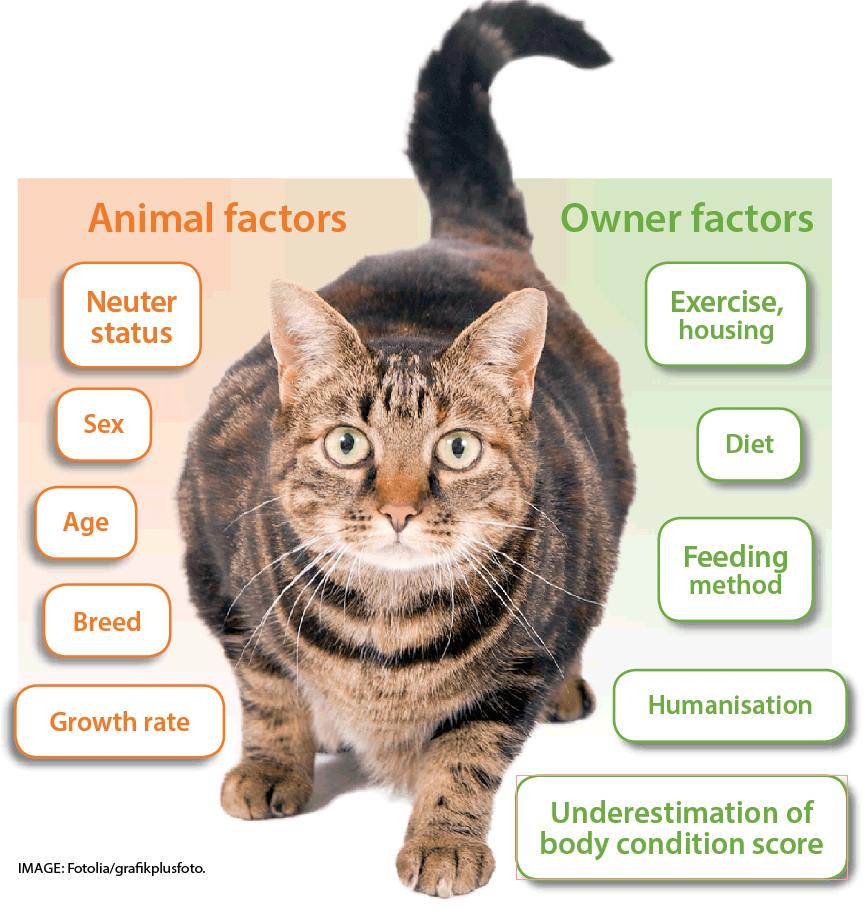
Furthermore, social factors can play a role in a dog’s weight as well. With rising urban living spaces and busy lifestyles, many dogs may be left without sufficient exercise time. Designing an engaging routine that incorporates play, exercise, and socialization is crucial for combating obesity.
Pet owners must educate themselves about the critical nature of weight management. By empowering themselves with knowledge, they can create an environment conducive to a healthier, more active lifestyle for their dogs. This commitment not only benefits the pets but also fosters a sense of responsibility and active engagement in the care of their beloved companions.
| Prevention Strategies | Treatment Options |
|---|---|
| Regular Exercise | Veterinary Supervised Diet Plans |
| Portion Control in Feeding | Weight Management Medications |
| Routine Vet Check-ups | Surgical Options in Extreme Cases |
Obesity in dogs is a pressing concern that leads to various health complications, including diabetes, joint problems, and decreased life expectancy. The adoption of effective prevention strategies is crucial to combating this issue. Implementing regular exercise routines tailored to your dog’s breed and age can significantly help in maintaining a healthy weight. Additionally, portion control during feeding is vital; pet owners should adhere to recommended guidelines for daily calorie intake and avoid excessive treats.On the treatment front, there are multiple options available that can help manage obesity. Veterinary supervised diet plans focus on tailored nutritional requirements, while weight management medications can assist in reducing body weight when combined with lifestyle changes. In extreme cases where health issues arise, surgical options may be considered to ensure a dog’s overall well-being. Understanding and addressing the impact of obesity in dogs not only leads to healthier pets but also fosters a long-lasting bond between owners and their furry companions.
LEARN MORE: Click here for essential pet care tips
Strategies for Prevention and Treatment of Canine Obesity
Effectively addressing canine obesity requires a multifaceted approach that combines dietary management, regular exercise, and behavioral strategies. Understanding and implementing these elements can make a significant difference in the well-being of overweight dogs.
Dietary Management
The foundation of any weight-loss program for dogs begins with reassessing their diet. Pet owners should work closely with a veterinarian to devise a customized meal plan that considers their dog’s age, breed, activity level, and overall health. Transitioning to a balanced, calorie-controlled diet can facilitate weight loss without compromising nutrition.
Portion control is a vital aspect of dietary management. Many dog owners unknowingly overestimate portion sizes; using measured servings rather than free-feeding can help control calorie intake. Additionally, incorporating high-fiber, low-calorie foods can make your dog feel fuller without adding excessive calories to their meals. Foods containing whole grains, vegetables, or specially formulated weight-control dog food can be excellent options.
Furthermore, minimizing the use of treats is crucial. Instead of offering commercial treats that may be high in calories, consider healthy alternatives such as carrot sticks, green beans, or small pieces of fruit. Treats should account for no more than 10% of a dog’s total daily caloric intake.
Regular Exercise and Activity
Physical activity is indispensable in any weight management program, not only for burning calories but also for maintaining mental stimulation. Daily walks, interactive play sessions, and structured exercise routines can drastically improve a dog’s physical health. The American Kennel Club recommends at least 30 minutes of exercise per day for most dogs, although larger breeds or high-energy dogs may require more.
Creative engagement can make exercise enjoyable for both the pet and the owner. Activities such as agility training, flyball, or even simple games like fetch or tug-of-war can transform exercise into a delightful bonding experience. For less active dogs, consider swimming—it’s a low-impact option that’s easy on the joints and a great way to lose weight.
Behavioral Strategies
Addressing the underlying behavioral factors contributing to obesity is equally important. Often, emotional eating or sedentary lifestyles can stem from boredom or anxiety. Engaging your dog in mentally stimulating activities is essential. Puzzle toys, teaching new tricks, or joining a dog-training class can provide both mental and physical benefits.
Socialization plays an integral role in creating a healthy, balanced dog. Encourage playdates with other dogs or visits to dog parks, which offer opportunities for active social engagement. Establishing routines can also be comforting for dogs, leading to reduced stress-related behaviors that may result in overeating.
Finally, consistent monitoring of your dog’s weight and body condition scores is critical. Regular vet check-ups can help track progress and make necessary adjustments to their care plan. Utilizing tools like weight logs or smart pet feeders that track food intake can assist pet owners in staying mindful of their dog’s dietary and exercise needs.
In summary, the battle against canine obesity involves a commitment to a well-rounded approach that emphasizes nutrition, exercise, and behavioral enrichment. Adopting these strategies not only fosters a healthier lifestyle but also provides a fulfilling life for both dogs and their owners. Understanding the seriousness of canine obesity is the first step toward reversing its effects and enhancing the quality of life for our furry friends.
DISCOVER MORE: Click here for your complete guide to adopting a pet
Conclusion: Enhancing Canine Health through Awareness and Action
The impact of obesity in dogs is a pressing concern that carries significant health risks, potentially leading to detrimental conditions such as diabetes, arthritis, and heart disease. However, as pet owners, we wield the power to reverse this trend through informed decisions and proactive measures. By understanding the root causes of canine obesity, we can foster a healthier lifestyle for our beloved pets.
Effective prevention and treatment strategies encompass a holistic approach—combining tailored dietary management, consistent physical activity, and behavioral enrichment. Reassessing a dog’s diet can vastly improve their health while managing portion sizes and opting for healthier treats can prevent overeating. Incorporating regular exercise not only aids in weight loss but also enhances mental well-being, providing dogs with the stimulation and social interaction they require to thrive.
Moreover, understanding that behavioral patterns significantly influence eating habits allows for the implementation of necessary changes. Engaging dogs in stimulating activities not only combats boredom but also establishes a healthy lifestyle. It is vital for owners to remain vigilant, monitoring their dog’s weight and working jointly with veterinarians to ensure appropriate adjustments are made to their diet and exercise regimen.
In conclusion, combating obesity in dogs is a shared responsibility that demands commitment and awareness from all pet owners. As we embrace these strategies, we pave the way for improved health outcomes and enhanced quality of life for our furry companions. By prioritizing their well-being today, we ensure a brighter, healthier tomorrow for our four-legged friends.