The Importance of Pet Socialization Enhancing Pets Lives
Introduction
Socialization plays a crucial role in the well-being and happiness of pets. Understanding how interacting with other animals and humans can positively impact their lives is essential for every pet owner. In fact, pets that are well-socialized tend to exhibit better behavior, adapt more easily to new environments, and enjoy a higher quality of life.
The benefits of socialization extend beyond mere companionship. Consider the following key points:
- Improved Behavior: Socialized pets often develop less fear and anxiety.
- Enhanced Confidence: Interacting with various stimuli helps build resilience.
- Health Benefits: Reduced stress levels contribute to overall health.
- Stronger Bonds: Positive interactions strengthen the relationship between pets and their owners.
- Better Adaptability: Socialized pets adjust more easily to changes in routine or environment.
This article will delve into the “Top 5” critical aspects of pet socialization, shedding light on why it is a vital component of a healthy pet lifestyle. Prepare to discover insights that can transform your approach to your furry companions!
Top 5 Importance of Socialization in Pet Life
Understanding the significance of socialization in pets is crucial for their overall well-being and behavior. As we delve into the top five reasons why socialization is essential for pets, we uncover the facets that contribute to a harmonious relationship between pets and their surroundings. From enhancing behavioral traits to fostering emotional stability, socializing your animal companion paves the way for a fulfilling life. Let’s explore this intriguing topic, ranked from fifth to first.
5. Prevention of Behavioral Issues
The prevention of behavioral problems is a key reason why socialization should be a top priority for pet owners. Animals brought up in isolation can display heightened fear and anxiety towards various stimuli, such as unknown people and other animals. This can lead to numerous challenges in day-to-day life.
- Fear-based aggression often stems from a lack of social exposure. When animals have not interacted regularly with others, they may become defensive and aggressive in unfamiliar situations.
- The absence of socialization can also exacerbate separation anxiety, a condition that makes it difficult for pets to adjust to periods of solitude or new environments.
- Moreover, a poorly socialized pet is often more prone to destructive behavior during periods of loneliness. They may chew furniture, scratch doors, or engage in activities that harm their surroundings.
Introducing your pet to a variety of environments, sounds, and sights, even from a young age, can significantly mitigate these issues. This exposure helps ensure that pets interact more smoothly with the world, making them resilient and adaptable to change.
Case Study: The Anxious Dog
A well-documented case involved a rescue dog named Max, who initially displayed signs of severe anxiety and aggression due to insufficient early socialization. Through a structured socialization program involving regular walks in dog-friendly parks, interactions with different people and pets, and gradually increasing exposure to various environments, Max transformed into a well-behaved and sociable dog. This not only improved his quality of life but also made him a beloved family member.
4. Enhanced Physical Health
Socialization plays an integral role in the physical well-being of pets. Engaging in active play and interactions with other pets and humans promotes regular exercise, which is essential for maintaining a healthy lifestyle. Movement and excitement during these interactions lead to numerous physical health benefits.
- Frequent play sessions can improve cardiovascular health, essential for a long, active life.
- Socially active pets are less likely to become overweight, a common issue linked to numerous health problems, including diabetes and joint issues.
- Diverse play environments, featuring different terrains and settings, can enhance a pet’s muscle strength and coordination, contributing to overall physical agility.
By ensuring your pet is actively mingling with their peers or even with you during playtime, you reduce the risk of physical health problems while keeping them fit and vibrant.
The Role of Playgroups
Many neighborhoods and communities have started organizing pet playgroups where animals can interact with one another under supervision. For instance, a community in Austin, Texas, noted a significant decrease in obesity rates among dogs participating in weekly playdates at a local park. These gatherings offer exercise and a valuable opportunity for owners to share tips on pet care.
3. Improved Lifelong Learning
Socializing pets significantly contributes to their learning capacity throughout their lives. Interacting with diverse environments and experiences sharpens their cognitive abilities and readiness to learn.
- Socialized pets are typically more receptive to training and education. Exposure to various stimuli prepares them to respond better to commands and training cues.
- Interacting with other animals and people allows pets to grasp important social cues, enabling them to communicate more effectively within their species and with humans.
- Enthusiasm for exploration characterizes socialized pets. They are keen on uncovering new places and learning from their interactions, which boosts their mental agility.
When pets encounter a plethora of situations, they develop adaptability and an eagerness to absorb new knowledge, reinforcing their intelligence and attentiveness to their environment.
Learning Through Experience
An example comes from a dog named Bella, whose enthusiastic exposure to dog-friendly cafes and parks heightened her adaptability and learning prowess. Owners reported she was quicker to learn new tricks and commands compared to other dogs her age who had less social interaction, highlighting the profound impact of experiences on growth.
2. Development of Healthy Relationships
Socialization is pivotal in building strong bonds with pets and fostering healthy relationships. Familiarity with different settings and individuals allows animals to become more secure and trusting.
- Consistent interaction helps pets feel safe and secure around their family, decreasing the risk of stress-related behaviors.
- Socialized pets develop more trusting relationships with both humans and other animals. This trust reduces their likelihood of showing aggression or fear.
- Healthy relationships lower stress for both the pet and the owner, contributing to a peaceful household environment.
The emotional bonds forged through socialization greatly enrich the lives of both pets and their owners, leading to a more content and harmonious living situation.
Building Trust with Animals
Trust is an extraordinary bond, as evidenced by a horse named Star, who moved from a lonely barn life to thriving in a community sanctuary. Once she got involved in equine therapy programs that involved regular interaction with humans and horses, Star developed deep bonds built on trust, drastically changing her demeanor from skittish to gentle and affectionate.
1. Enhanced Emotional Well-being
At the forefront of our list is the enhancement of emotional well-being, overwhelmingly the most critical reason for pet socialization. A socialized pet enjoys a secure emotional state, which translates into numerous positive outcomes.
- Through regular social interactions, pets exhibit decreased levels of anxiety and fear. They become more resilient in the face of challenges.
- Enhanced self-esteem bolsters their confidence, making them well-behaved and adaptable to changing conditions.
- Social pets are characterized by increased happiness, facilitating healthier lives with fewer emotional and behavioral issues.
By dedicating time and effort to socializing pets, owners significantly improve their pets’ emotional health, ensuring a balanced and gratifying life journey for their furry companions. The rewards of investing in socialization are reflected in the enhanced quality of life for both the pet and the owner, creating a lifetime of memorable moments together.
Conclusion: A Happy Ending
In summary, socialization emerges as a cornerstone of a pet’s life, influencing everything from behavior to physical and emotional health. As owners, the duty to ensure that pets experience the enriching process of socialization is not just a responsibility but a joyful part of their journey, leading to a thriving and harmonious life.
| Category | Details |
|---|---|
| Social Development | Socialization helps pets learn to navigate interactions with other animals and humans. It allows them to develop proper communication skills and understand social cues. |
| Behavioral Benefits | Well-socialized animals are often more adaptable and exhibit less fear or aggression, making them happier and more relaxed companions for their owners. |
| Emotional Well-being | Socialization provides pets with the opportunity to bond with both humans and other animals, greatly enhancing their emotional health and reducing loneliness. |
| Training Efficiency | Animals that have been well-socialized are generally easier to train. They are more receptive to commands and less likely to be distracted by new situations. |
Engaging pets in various social interactions is not merely a luxury but rather a crucial aspect to ensure their overall fulfillment. Social development is vital; for instance, early interaction with other pets teaches them appropriate behaviours and communication skills, helping them understand play dynamics and social hierarchies. Behavioral benefits become apparent as socialized pets tend to be more confident and balanced, leading to decreased incidences of anxiety and aggression.On an emotional level, successful socialization fosters strong bonds. An animal that regularly interacts with both humans and fellow pets often exhibits higher levels of happiness, significantly reducing tendencies towards destructive behaviours that stem from boredom or loneliness. Furthermore, the emotional rewards are not only limited to pets; owners also experience a more enriched companionship that contributes positively to their lives.Additionally, the training efficiency of pets shows remarkable improvement with socialization. In a world full of distractions, a well-adjusted pet is more likely to focus during training sessions, making the entire process more rewarding for both the animal and the owner. This fosters a stronger relationship built on trust and understanding, reinforcing the human-animal bond that is at the core of pet ownership.
Frequently Asked Questions About Pet Socialization
Why is socialization important for pets?
Socialization is crucial for pets as it helps them develop into well-adjusted, confident animals. Proper socialization can prevent behavioral issues, such as aggression or excessive shyness. It allows pets to become comfortable with various environments, people, and other animals, enhancing their overall quality of life. A socially well-adjusted pet is likely to experience less stress and anxiety, leading to a harmonious relationship between pet and owner.
At what age should I start socializing my pet?
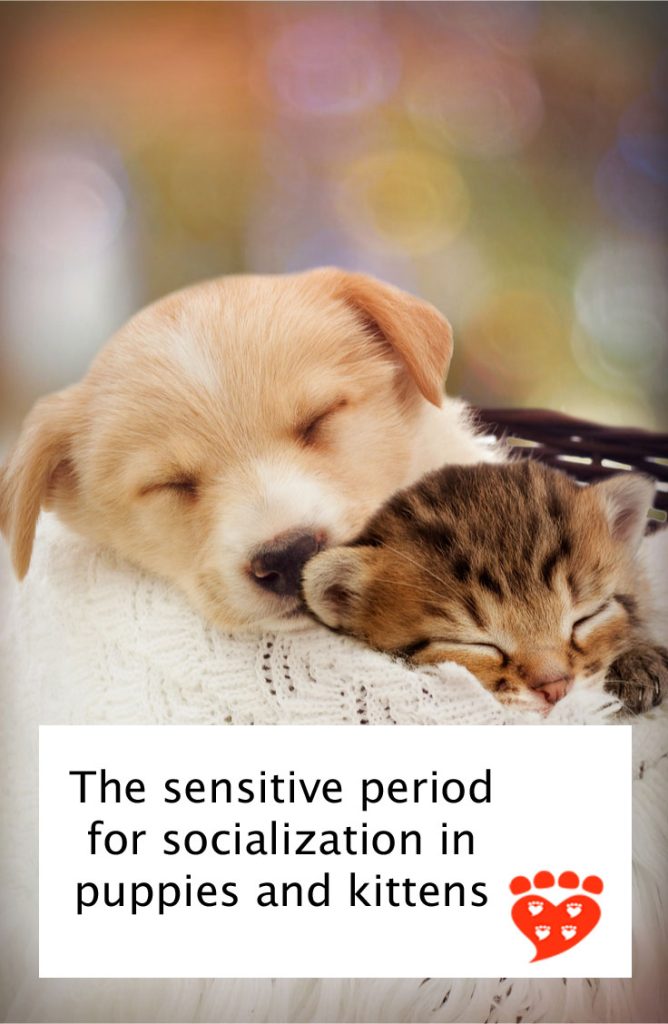
It is generally recommended to start socializing pets at a young age. For puppies, the critical period for socialization is between 3 and 14 weeks, while for kittens, it’s between 2 and 9 weeks of age. Early exposure to different stimuli, such as noises, people, and other animals, can significantly impact their development. However, even if your pet is older, it’s never too late to introduce socialization with patience and care.
What are some effective methods for socializing my pet?
There are several effective methods to socialize your pet. Regularly exposing them to new environments, people, and other animals is key. This could include organized playdates, training classes, or simply walks in varied settings like parks and urban areas. Positive reinforcement, such as treats and praise, can encourage friendly interactions and build your pet’s confidence.
What are the risks if my pet is not properly socialized?
Poorly socialized pets may develop behavioral problems such as aggression, fearfulness, and anxiety. These issues can sometimes lead to dangerous situations or make it challenging to introduce the pet to new scenarios. Additionally, such pets might struggle with separation anxiety or become overly dependent on their owners. Proper socialization helps mitigate these risks, ensuring a healthier and more balanced pet.
Can socialization have health benefits for my pet?
Yes, there are health benefits associated with socialization. Socially adept pets often experience reduced stress levels, which can contribute to better physical health. Stress in animals can be linked to several health issues such as a weakened immune system or digestive problems. A well-socialized pet is more likely to be physically active, which supports overall health and longevity.
Conclusion: The Crucial Role of Socialization in Pets’ Lives
The significance of socialization in the life of pets cannot be overstated. Throughout this article, we have explored various facets of social interaction and its profound impact on animal well-being. From enhancing mental health to curbing behavioral issues, the benefits of social engagement are multifaceted and compelling.
Socialization plays a pivotal role in nurturing a pet’s development. It aids in forming well-adjusted companions, ready to interact harmoniously with humans and other animals. By exposing pets to a variety of experiences, owners can prevent future behavioral problems and ensure a robust mental state for their animals. This not only mitigates stress and anxiety but also fosters a sense of security and confidence in pets.
Positive Behavior and Improved Health
One of the standout points is that socialized pets are less prone to develop aggression or fear-based behaviors. This positive behavioral framework is essential for cohabiting peacefully with humans and other animals. Furthermore, the mental stimulation derived from social interactions can lead to improved overall health, contributing to a longer, more fulfilling life.
The Human-Pet Bond
The bond between pets and their owners is significantly strengthened through social activities. Engaging in socialization not only enriches the pet’s life but also enhances the human-animal connection, resulting in mutual joy and companionship.
In conclusion, the importance of socialization in the lives of pets is a topic that should be approached with careful consideration and commitment. By investing time and effort in this essential aspect of pet care, owners can ensure their companions lead balanced and content lives. As we continue to learn about animal behavior, let us not overlook the critical role socialization plays in creating a harmonious coexistence.