Innovative Clicker Training Techniques for Smarter Cats
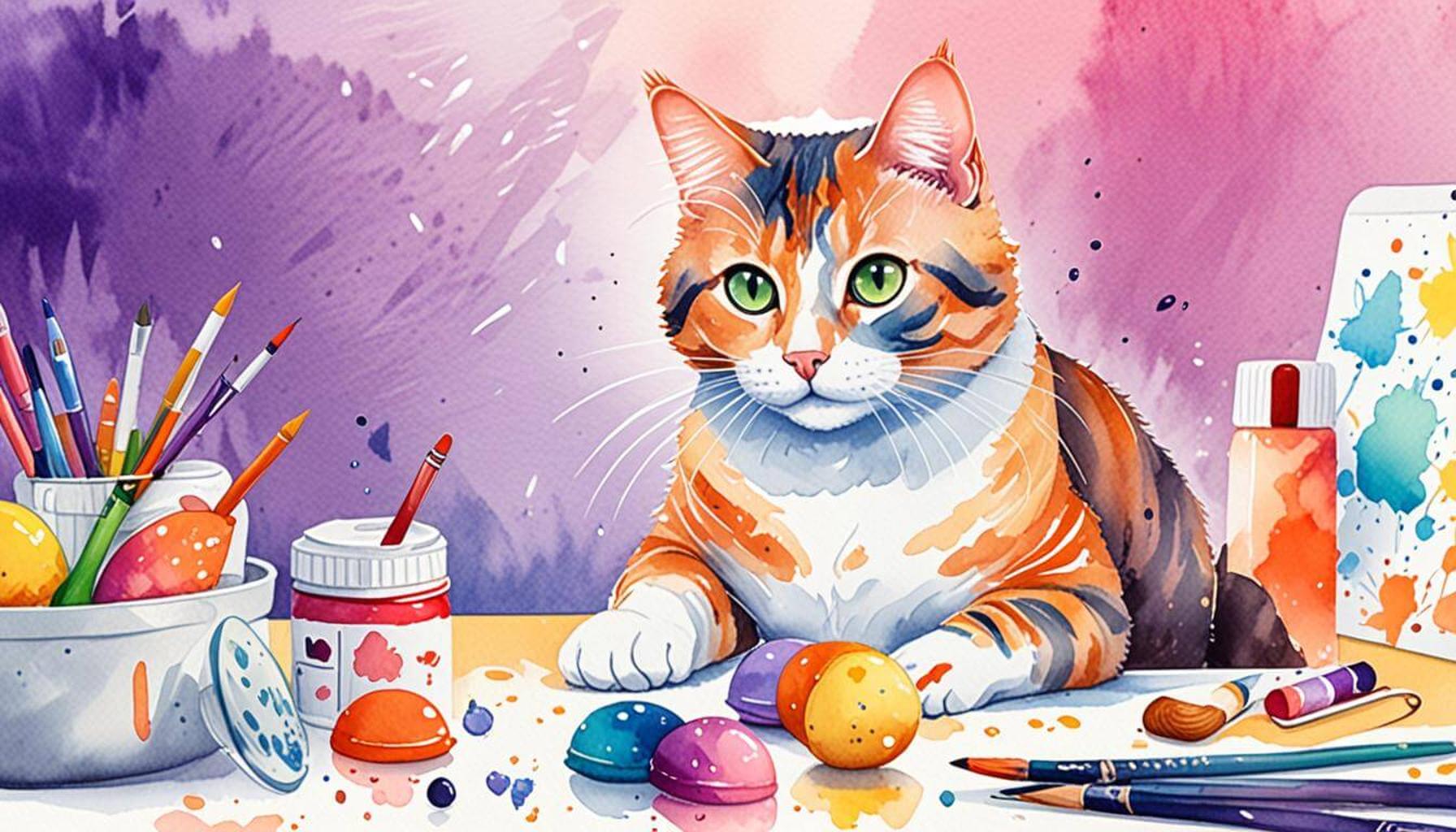
Training a cat can be a challenging yet rewarding endeavor, especially when using methodologies that stimulate their intelligence and instinctive behaviors. Clicker training has emerged as a highly effective tool that taps into a cat’s natural learning abilities, promoting engagement and a successful bond between pet and owner. This innovative technique is not just for dogs; it offers unique benefits for feline friends, enhancing their cognitive skills in fun and interactive ways.
With the growing popularity of positive reinforcement training, it’s essential for cat owners to explore contemporary methods that cater specifically to the unique nature of their pets. Here are some key aspects to consider:
- Understanding Feline Behavior: Cats learn differently than dogs; recognizing their quirks is crucial.
- Benefits of Clicker Training: Encourages trust and reduces anxiety while making learning enjoyable.
- Innovative Techniques: Incorporating games and challenges to stimulate their minds.
This article will unveil the Top 5 innovative clicker training methods guaranteed to make your cat not only smarter but also more attuned to your commands and companionship. Prepare to dive into a world of pet training that promises both fun and effective results!
Top 5 Innovative Clicker Training Methods for Cats
Clicker training has revolutionized how we interact with our feline companions, capitalizing on their natural curiosity and intelligence. Unlike dogs, cats often seem independent and aloof, but this training method bridges the communication gap, fostering an environment where learning is both fun and engaging. This article unveils the top five innovative clicker training methods for cats, ranking from fifth to first. Each method is distinguished by its novel approach to training, facilitating improved communication and deeper bonds between cats and their human handlers.
5. Introducing Scented Clickers
The standard clicker is a staple in animal training, known for its simplicity and effectiveness. However, the introduction of scented clickers adds a tantalizing twist by integrating sensory stimulation into the training regimen. Cats possess an acute sense of smell, far superior to that of humans—an often underutilized resource in training methodologies.
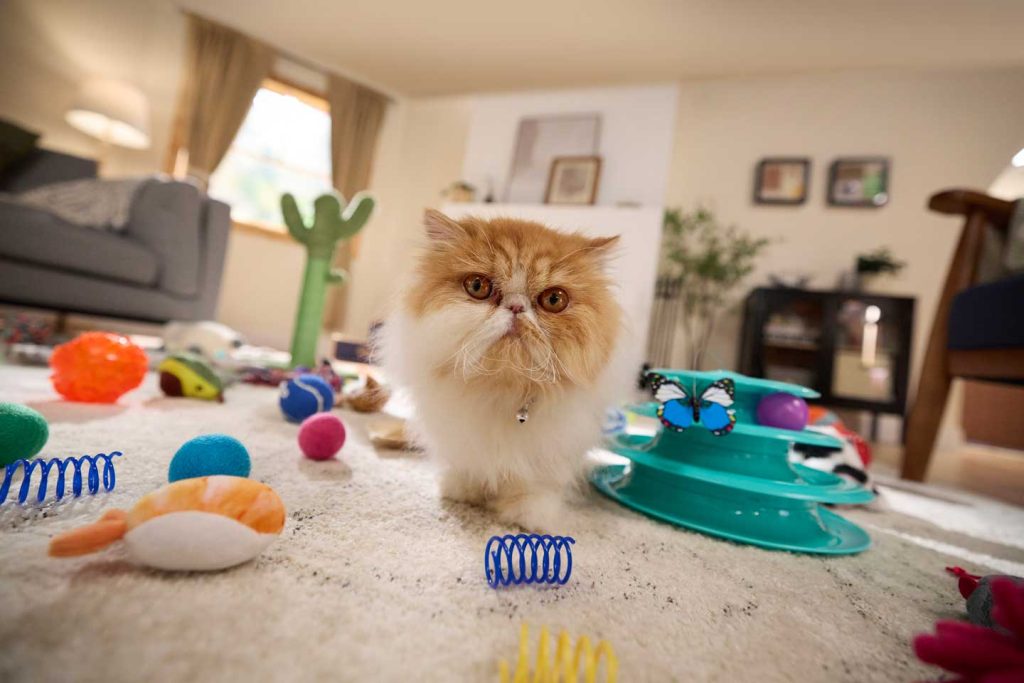
By infusing clickers with appealing scents such as catnip, valerian, or even distinctive food aromas, trainers have created a multi-sensory experience that enhances engagement. This method is particularly effective for cats that might otherwise be indifferent to training sessions, as the appealing scent draws their attention, creating a positive and inviting learning environment.
Owners report that this approach not only improves initial engagement but also accelerates the training process by creating a more profound association between the click sound and a pleasurable experience. The addition of scent bridges the motivational gap, ensuring that even the most reluctant learners participate eagerly.
4. Clicker and Target Training Combination
Blending clicker training with target training epitomizes adaptability in teaching methods. In this approach, a physical object, often a stick with a ball at the end, serves as the target. Cats are trained to touch this target with their nose or paw, with each successful interaction reinforced by the reliable click-and-treat routine.
This method presents a clear and achievable objective, ideal for complex trick training. Once a cat is trained to follow and touch a target, the possibilities extend to agility courses or more elaborate tricks such as jumping through hoops or fetching specific items.
By focusing on target training, cats gain a clearer understanding of the expected behavior, enhancing their motivation to participate actively. Meanwhile, trainers benefit from a structured method to guide feline learners through increasingly complex tasks.
3. Interactive Clicker Training with Games
The digital age ushered in a plethora of innovative solutions, blending technology with traditional methods to form interactive clicker training through games. This engaging approach entices cats with dynamic activities that stimulate both mind and body.
- Puzzle Boxes: These contraptions challenge a cat’s cognitive abilities, often incorporating small hidden treats that require problem-solving skills to access, further enhanced by clicker reinforcement for successes.
- Fetch Games: Equipping cats with the skill to fetch introduces them to a hybrid feline-canine activity, significantly increasing their exercise while reinforcing positive behavior through clicker sounds.
- Laser Pointer Games: An age-old favorite among cats, the laser pointer becomes a refined training tool when synced with clicker reinforcement, coaching cats to follow patterns and respond promptly.
These game-based trials not only bolster the bond between you and your feline but also channel their energy constructively, effectively curbing potential behavioral issues such as excessive scratching or hyperactivity.
2. Cooperative Clicker Training
Shifting focus from commands and outcomes to relational dynamics, cooperative clicker training underscores trust and mutual understanding between cats and their trainers. This method endeavors to elevate the training process, treating it as a collaborative venture rather than a series of commands to be obeyed.
In cooperative training, the cat plays an active role, encouraged to offer behaviors voluntarily. The clicker affirmation acknowledges these proactive efforts, resulting in an environment saturated with trust and respect. As cats become more participative, their confidence flourishes, creating a ripple effect that enhances their interaction with other household members and pets.
This method often yields impressive results, particularly in shy or apprehensive cats, which begin to exhibit more assertive and playful behaviors. Furthermore, building a relationship rooted in cooperation ensures that training sessions remain enjoyable and stress-free.
1. Clicker Training with Visual Cues
Leading our list is clicker training with visual cues, a method that harnesses the power of visual stimuli, a forte for our feline friends who are naturally adept at observing their surroundings. This technique couples the distinctive clicker sound with detailed visual signals, which can include hand movements or vivid markers like colored flashcards.
The fusion of audio and visual stimuli strengthens the learning process, accommodating cats’ keen observational skills. This dual-sensory approach minimizes the misunderstandings linked to verbal commands while accelerating the learning curve. Cats rapidly associate specific visual gestures with certain actions, internalizing the desired behavior with impressive speed.
Widely celebrated among trainers, this innovative method reduces training-related stress and heightens cat engagement. Feline learners adapt quickly, mastering a repertoire of tricks and commands with confidence and clarity.
In conclusion, explore these cutting-edge clicker training methods to revolutionize your cat-training sessions, promoting a facilitating and harmonious bond with your cherished cat. Whether through scent, touch, interaction, collaboration, or visual appeal, each promotes an enriching and fulfilling training experience supporting communication and understanding between humans and their feline companions.
| Category | Key Features/Characteristics |
|---|---|
| Behavior Modification | Clicker training is a powerful tool for modifying unwanted behaviors in cats. |
| Enhanced Communication | Using a clicker provides a clear and consistent signal to your cat, improving your communication. |
| Positive Reinforcement | This method is rooted in positive reinforcement psychology, which boosts your cat’s motivation to learn. |
| Mental Stimulation | Clicker training offers cognitive challenges that keep your cat mentally engaged and alert. |
Innovative clicker training methods offer an exciting pathway to enhance your relationship with your feline companion. By utilizing behavior modification tactics, pet owners are able to reshape undesirable habits through specific clicks paired with rewards. For example, if a cat jumps on furniture where it’s not allowed, a firm “no” can be paired with a click when they remain on the floor, creating a foundation for positive learning.Additionally, the use of a clicker not only aids in correcting behaviors but also significantly enhances communication between human and cat. Every click is a cue, a clear signal that translates to your pet. This consistent communication strategy makes it easier for your cat to understand what action is being rewarded without ambiguity, enhancing trust and responsiveness.Delving deeper into the realms of positive reinforcement, the psychological underpinning of clicker training resonates strongly with behavioral science. By consistently rewarding good behavior immediately with a click, cat owners can see accelerated learning as the association between action and reward is swiftly established, minimizing confusion.Moreover, this training method can transcend mere obedience; it encourages mental stimulation. Unlike distractions from simple play, clicker training engages a cat’s mind and allows them to problem-solve under the guidance of their owner. Rather than being passive participants, cats evolve into active learners, exploring new commands, tricks, and even agility tasks. This not only keeps your pet entertained but also helps in reducing anxiety and other issues stemming from boredom.In exploring these innovative clicker training methods, cat owners find themselves not only teaching their pets but also bonding through interactive and rewarding experiences that are rooted in respect, understanding, and patience.
Frequently Asked Questions About Innovative Clicker Training for Cats
What is clicker training and how does it work for cats?
Clicker training is a method of positive reinforcement that uses a small device called a clicker to signal to your cat that it has performed the desired behavior. This technique is becoming increasingly popular because it’s both effective and enjoyable for cats and their owners. The sharp, distinct sound of the clicker marks the exact moment a desired action is performed, followed by a reward, usually a treat. This method helps cats associate actions with positive outcomes, encouraging them to repeat the behavior. Studies show that clicker training can enhance communication between humans and felines and may result in faster learning as compared to traditional methods.
Can older cats be trained with innovative clicker methods?
Absolutely! While many people assume clicker training is only effective for kittens, older cats can also benefit greatly from this method. Regardless of age, cats are capable of learning new behaviors and tricks. However, patience might be required, as older cats sometimes need more time to adapt to new training methods. The key is consistency and making sure that training sessions are engaging and short, ensuring your senior feline remains attentive and motivated.
Is clicker training suitable for all types of cat behaviors?
Innovative clicker training can be employed to address a wide range of behaviors, from teaching simple commands to solving behavioral issues. It is particularly effective for teaching behaviors such as sitting, staying, coming when called, and even learning to tolerate carrier trips or grooming. More complex behaviors might require a strategic approach and, possibly, the guidance of a professional trainer. Nonetheless, it is important to note that not all behaviors can be altered through clicker training alone; sometimes a comprehensive behavioral plan might be needed.
What are the potential challenges in clicker training cats?
While clicker training is generally effective, certain challenges may arise, chiefly related to individual cat personalities and motivations. Some cats might not respond to food rewards or may become easily distracted by their surroundings. For such cases, discovering alternative motivators is crucial, such as affection or play. Another challenge might be ensuring that the clicker’s timing is precise; an ill-timed click can reinforce the wrong behavior. Nevertheless, with perseverance and practice, these challenges can typically be overcome, leading to successful training sessions.
How can I get started with clicker training my cat?
To embark on your clicker training journey, you will first need a clicker and some of your cat’s favorite treats. Begin with simple commands and make sure each session is brief to keep your feline’s interest piqued. Consistency is critical, so try to practice around the same time daily. It’s also wise to start in a quiet, distraction-free environment to maximize focus. Over time, gradually increase difficulty and introduce distractions to ensure your cat retains learned behaviors in different situations. Resources such as books on clicker training and online tutorials can provide further insights and tips to augment your knowledge and skills.
Conclusion: Unlocking Potential with Clicker Training for Cats
As we venture into the remarkable world of feline behavior modification, clicker training methods stand out as a transformative approach that fosters a deeper bond between cats and their owners. This article has highlighted the top five innovative techniques that demonstrate the potential of clicker training to improve not only obedience but also the overall well-being of our feline companions.
Among these methods, the concept of positive reinforcement remains central. By rewarding desired behaviors with a variety of treats or affection, we enable cats to associate click sounds with positive experiences. This empowers them to learn quickly and effectively. Additionally, incorporating creativity into training, such as introducing toys and interactive games, sustains a cat’s interest and enthusiasm.
Emphasizing patience and consistency during training sessions leads to more successful outcomes. Observing a cat’s pace and adapting the learning process accordingly ensures both the cat and owner enjoy the journey. Moreover, leveraging technology, like smartphone applications, provides an innovative edge, allowing owners to track progress and refine techniques.
With these methods, we stand poised to redefine cat training by uncovering untapped potential within our pets. The dedication to understanding and applying new techniques signifies an exciting chapter in pet training, wherein both the owner and the pet benefit from a harmonious relationship built on trust and communication.
In conclusion, while clicker training for cats may initially seem challenging, its benefits are undeniably rewarding. As more cat owners adopt these innovative methods, they not only enhance the quality of their pets’ lives but also pave the way for a more informed and thoughtful approach to pet ownership. Collectively, these insights encourage further exploration into feline behavior, enabling us to discover new realms of understanding and connection with our beloved pets.