
Why Pet Dental Health Matters Essential Care and Prevention Tips
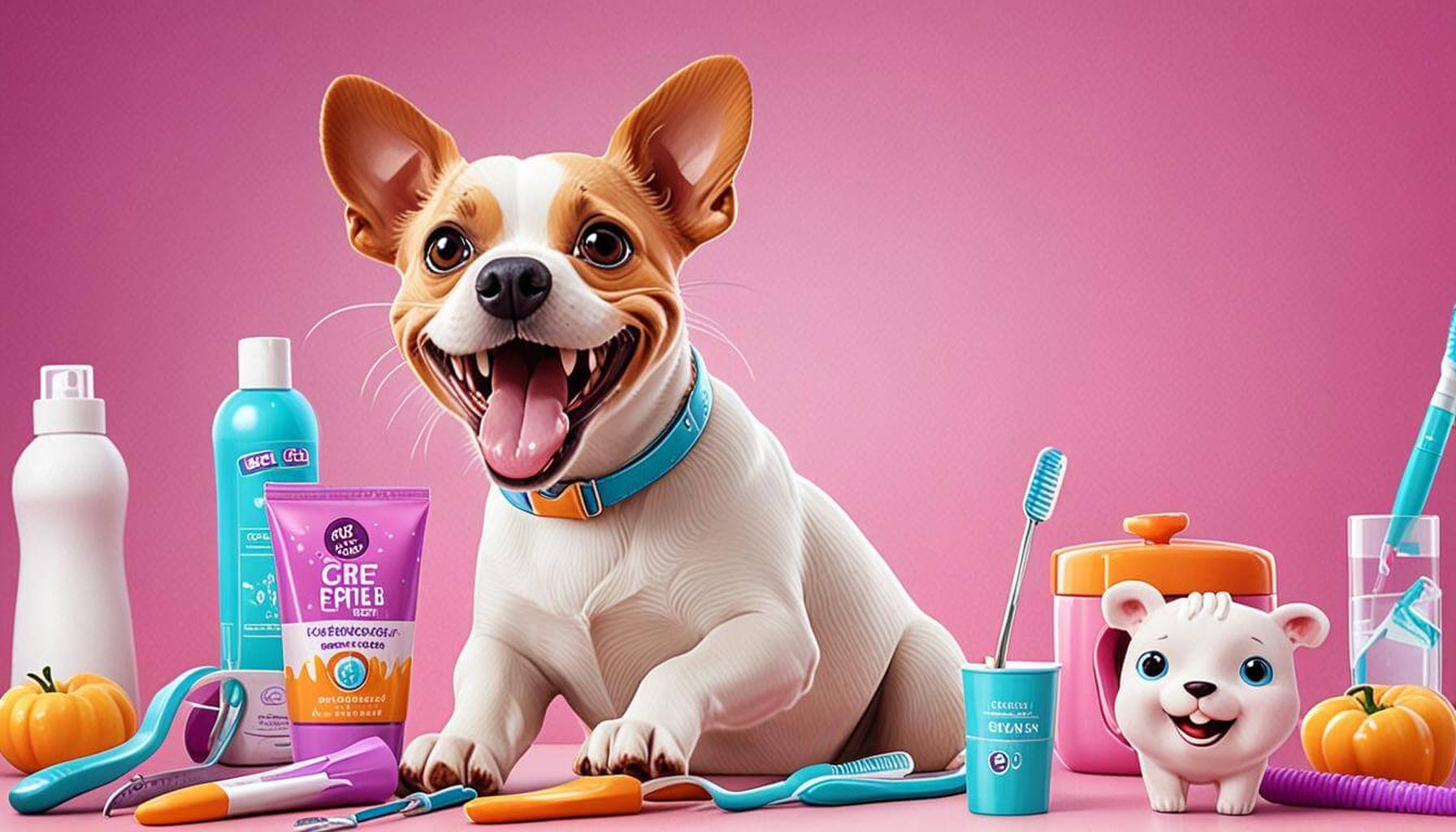
Dental health is often an overlooked aspect of pet care, yet it plays a crucial role in the overall well-being of our furry companions. Just like humans, pets are susceptible to a range of dental issues that can lead to significant health problems if not addressed promptly. Understanding the importance of dental hygiene can make a world of difference for your pet’s quality of life.
Regular oral care not only promotes fresh breath and healthy teeth, but it also prevents serious conditions such as periodontal disease and other systemic health issues. As pet owners, it’s vital to be proactive about our pets’ dental health because poor oral hygiene can affect their heart, kidneys, and even lead to infections.
In this article, we will explore essential tips for maintaining your pet’s dental health, highlighting preventive measures that can keep their smiles bright. Prepare to discover the Top 5 tips for effective dental care, ensuring your beloved pet stays healthy and happy for years to come.
Top 5: The Importance of Dental Health in Pets: Prevention and Care
For many pet owners, our furry companions are more than just pets; they are family members who deserve the best care possible. One crucial aspect of ensuring their long-term health and happiness is maintaining good dental hygiene. Just as humans require regular dental care to prevent diseases and ailments, our pets need similar attention to preserve their health. This article delves into the top five reasons why proactive dental care is vital for pets, illustrating how prevention and regular care can hold the key to a happier, healthier pet.
5. Increased Lifespan
The correlation between dental health and a pet’s lifespan is well-documented. Veterinary studies have illustrated that pets receiving regular dental care often live significantly longer than those that do not. This longevity stems from the prevention of oral bacteria entering the bloodstream, which, if unchecked, can adversely affect critical organs such as the heart, liver, and kidneys. A case in point is periodontal disease, which is common in pets and can lead to systemic health problems if not properly managed.

In order to extend your pet’s lifespan, pet owners can employ various preventative measures:
- Regular veterinary dental check-ups: These check-ups help identify potential dental issues early and treat them before they escalate.
- At-home dental care routines: Regular brushing of your pet’s teeth can prevent plaque buildup and promote healthy gums.
- Using dental treats and toys: These are specially designed to aid in oral health by reducing tartar and plaque.
Proactively addressing dental health not only contributes to a longer life but enables pets to live it to the fullest, without ailments that could hinder their happiness.
4. Prevention of Pain and Discomfort
Imagine enduring a toothache without the ability to express it; this is the reality for many pets with dental conditions. Periodontal disease and cavities can cause significant pain, leading to withdrawal and changes in behavior. Pets may become irritable, eat less, or have difficulty chewing, creating a ripple effect on their overall mood and health.
To prevent this pain and discomfort, owners should consider the following steps:
- Regular professional cleanings: These are essential to remove plaque and tartar that cannot be addressed by at-home care alone.
- Observational vigilance: Keep an eye out for signs of distress such as loss of appetite, excessive drooling, or bad breath.
- Consistent home care: This includes brushing your pet’s teeth and using dental rinses or wipes to maintain oral hygiene.
Alleviating dental discomfort enhances your pet’s ability to engage joyfully with their environment, significantly improving their quality of life.
3. Prevention of Bad Breath
Pets, like humans, can suffer from halitosis if their dental hygiene is neglected. Often misperceived as a trivial issue, bad breath can be an indicator of severe dental problems. Bacteria accumulating on plaque and tartar are not only responsible for the odor but can also be precursors to more serious conditions.
Combatting bad breath involves:
- Regular dental check-ups: Early detection and intervention can mitigate bad breath and prevent infections.
- Oral care products: Dental chews, toys, and water additives that reduce bacteria and freshen breath are readily available on the market.
- Routine tooth brushing: Consistently brushing your pet’s teeth can significantly decrease plaque buildup and improve breath.
By maintaining oral hygiene, you prevent minor issues from progressing into significant health risks, ensuring that bad breath isn’t just a nuisance.
2. Overall Health Improvement
Poor dental hygiene doesn’t just affect the mouth; it can trigger a myriad of health complications. Numerous studies indicate that dental disease in pets is linked to systemic conditions like heart disease, kidney failures, and even diabetes. This correlation arises because harmful oral bacteria can enter the bloodstream, spreading to other parts of the body.
Improving dental health, therefore, translates to multiple health benefits, including:
- Regular dental exams: These can detect potential problems and allow for early intervention.
- Dietary considerations: A diet with dental-friendly components can aid in maintaining proper oral health.
- Integrative dental routines: Combining home care with professional services maximizes your pet’s health prospects.
A holistic approach to dental care goes a long way in preventing chronic conditions, ensuring your pet’s comprehensive well-being.
1. Enhanced Quality of Life
Ultimately, good dental health invariably leads to better quality of life. A pet unburdened by dental disease and discomfort is one that can fully partake in life’s joys—be it playing, eating, or interacting with its human family members. Healthy teeth and gums facilitate comfortable eating, which means nutritional needs are met, leading to improved energy and mood.
Achieving optimal dental health encompasses:
- A comprehensive care regimen: This includes regular home care along with periodic professional cleanings.
- Early problem detection: Identifying and addressing dental issues before they become severe avoids unnecessary distress and pain.
- Creating a thriving environment: A pet free from the shackles of dental disease can thrive and bring joy to its family.
Prioritizing dental care provides your pet with an enriched life experience, contributing to a happier and healthier companionship that enriches your own life as well. Regular attention to their dental needs ensures that your furry friends remain active and content for years to come.
| Health Risks | Dental Disease Consequences |
|---|---|
| Periodontal Disease | This is the most common dental condition affecting pets, leading to inflammation, pain, and even systemic health problems if left untreated. |
| Tooth Decay | Tooth decay can result in severe pain, loss of teeth, and can affect a pet’s eating habits, which may lead to nutritional deficiencies. |
| Preventive Care | Importance of Regular Check-ups |
|---|---|
| Daily Oral Hygiene | Daily brushing helps in significantly reducing plaque buildup, thus preventing serious dental issues. |
| Regular Vet Visits | Regular vet check-ups ensure early detection of dental problems, making treatments less complicated and more effective. |
| Nutritional Influences | Dietary Recommendations |
|---|---|
| Soft Foods | While easy to eat, soft foods can contribute to plaque buildup; ensuring a balance of crunchy kibble can aid in dental health. |
| Dental Treats | Providing dental treats specifically designed to fight plaque can be a delicious way to improve oral hygiene. |
| Behavioral Signs | Behind the Warning Signs |
|---|---|
| Foul Breath | Persistent bad breath can indicate underlying dental problems requiring immediate attention. |
| Changes in Eating Habits | If a pet suddenly avoids hard foods or shows reluctance to eat, it may be experiencing dental pain. |
Frequently Asked Questions About Pet Dental Health
What are the common signs of dental problems in pets?
Detecting dental issues in pets early can be crucial to their overall health. Some of the most common signs include bad breath, difficulty eating, excessive drooling, and red or bleeding gums. Pets may also show diminished appetite or even paw at their mouths in discomfort. It’s essential to take these signs seriously and consult a veterinarian when they appear.
How often should I brush my pet’s teeth?
Regular brushing is vital for maintaining your pet’s dental health. Ideally, you should aim to brush your pet’s teeth daily. However, if this isn’t possible, brushing several times a week can significantly reduce the risk of plaque and tartar buildup. Remember to use pet-specific toothpaste, as human toothpaste can be harmful to animals.
Are there specific breeds more prone to dental issues?
Yes, certain breeds can be more susceptible to dental problems due to their genetics and anatomy. Smaller breeds, such as Chihuahuas and Yorkshire Terriers, tend to experience dental issues more frequently. This is often due to the crowding of teeth in their small mouths, which can lead to plaque accumulation and gum disease. Proactive dental care is especially crucial for these breeds.
Can my pet’s diet impact their dental health?
Absolutely. Diet plays a pivotal role in your pet’s oral hygiene. A balanced diet that includes special dental formula foods can help maintain cleaner teeth. These foods are formulated to help reduce plaque and tartar. Additionally, providing your pet with dental chews can also be beneficial.
Is professional dental cleaning necessary for pets?
While home care is essential, professional dental cleaning is also critical in maintaining your pet’s dental health. Veterinarians recommend annual dental check-ups and cleanings to prevent serious dental diseases. These cleanings provide a thorough examination and cleaning that can help address issues that are not visible to the naked eye. Professional dental care ensures your pet maintains a healthy mouth and overall wellbeing.
Conclusion: Safeguarding Our Pets’ Dental Health
The health and well-being of our pets are integral to their overall quality of life, and dental health is a crucial component often overlooked by pet owners. As reiterated throughout this article, maintaining proper dental hygiene can prevent a myriad of complications, ranging from discomfort and pain caused by periodontal disease to severe health issues affecting vital organs.
With a focus on prevention and regular care, pet owners can take proactive steps to safeguard their furry friends’ dental health. Simple measures, such as regular brushing, providing dental chews, and scheduling routine veterinary check-ups, can collectively play a significant role in preventing dental diseases. These actions are not only beneficial for pets’ immediate well-being but also help in averting potentially high costs associated with advanced veterinary treatments.
Moreover, pet dental health extends beyond the realm of oral hygiene, impacting their nutritional intake and behavior. Pets suffering from dental pain might exhibit changes in eating habits or display irritability and lethargy. Thus, maintaining good dental care is not just about clean teeth but fostering overall happiness and vitality in pets.
As responsible pet owners, staying informed and vigilant about our pets’ dental needs is imperative. By prioritizing dental health, we contribute to longer, healthier lives for our pets, ensuring they remain our companions in the best possible state. As the adage goes, an ounce of prevention is worth a pound of cure, and this holds true in the realm of pet care.
For those committed to enhancing the life quality of their pets, delving deeper into the nuances of pet dental health and seeking professional guidance as needed can offer further insights and support. In essence, embracing comprehensive dental care practices not only benefits our beloved animals but also enriches the bond we share with them.